

)
West Bengal is witnessing a fresh rise in dengue infections, with more than 4,500 cases reported this year, a majority of them during the current monsoon season. According to reports, more than 500 new cases were detected across the state in just the last seven days. The increase follows an extensive door-to-door surveillance and testing exercise launched after the state issued a standard operating procedure for dengue monitoring and prevention on September 2.
Murshidabad has emerged as the worst-affected district, accounting for around 870 cases, including 96 newly detected infections. Kolkata is next, with 402 cases recorded so far and 62 new cases identified in the latest seven-day period. Health authorities are increasing surveillance and testing. An Health Department official said, "The good thing is that whatever the figures that have surfaced this year are 100 per cent authentic, without any question of underquoting the affected figure or describing dengue as 'unknown fever' - a phenomenon which was rampant during the last few years. The instructions from Chief Minister Suvendu Adhikari for the medical institutions are very clear. If the case is dengue, it should be reported as dengue and not as any 'unknown fever'. So, the figure this year so far is 100 per cent authentic."
With dengue cases rising, spotting the early signs is important. Its first symptoms can look similar to flu or other common infections, which may lead people to overlook them. Knowing the warning signs can be beneficial.
Why Dengue Can Look Like Flu
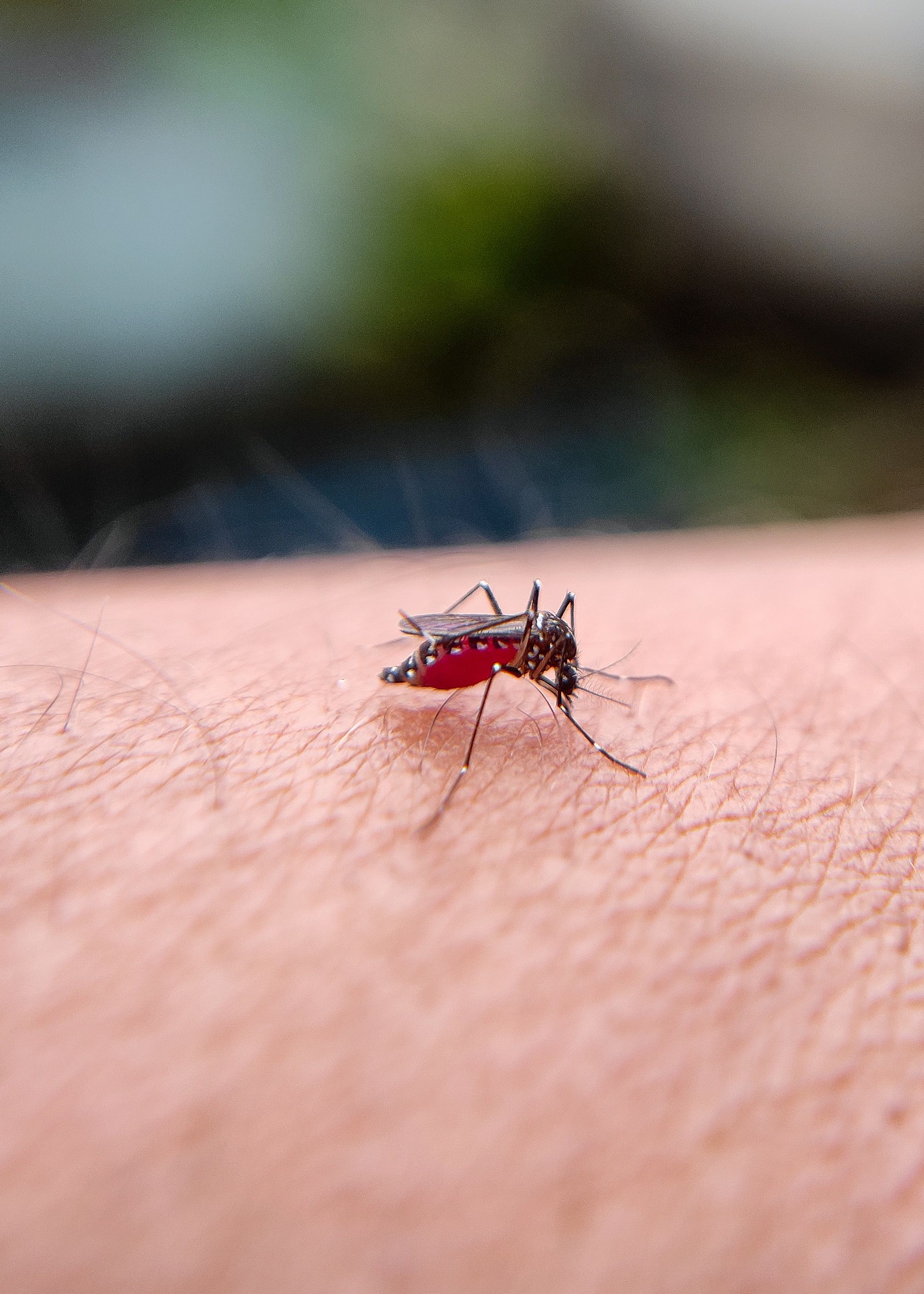
Dengue is a viral infection caused by four related dengue viruses. It spreads mainly through the bite of an infected Aedes mosquito, particularly Aedes aegypti and Aedes albopictus. These mosquitoes can breed in small amounts of stagnant water around homes and can bite during both the day and night.
The early stage of dengue may resemble flu because both illnesses can cause fever, headache, body aches and tiredness. However, dengue causes some distinctive symptoms, including pain behind the eyes, intense muscle or joint pain, nausea, vomiting and skin rash. Fever generally lasts around two to seven days.
This overlap is one reason people should not rely only on symptoms to decide whether they have dengue or flu. In areas where dengue is circulating, a persistent or sudden fever should be evaluated by a doctor.
Common Symptoms Of Dengue
Dengue symptoms can vary from person to person. Common signs include:
- Sudden high fever
- Severe headache
- Pain behind the eyes
- Muscle, joint or bone pain
- Nausea or vomiting
- Skin rash
- Extreme tiredness
- Mild bleeding, such as bleeding from the nose or gums, in some cases
Warning Signs You Should Not Ignore
One of the most important things to remember about dengue is that a person may become seriously ill after the fever starts improving. The critical phase often begins around the time the fever goes away and can last 24-48 hours.
Seek urgent medical attention if a person with suspected or confirmed dengue develops severe abdominal pain, repeated vomiting, bleeding from the nose or gums, blood in vomit or stools, unusual sleepiness, restlessness or difficulty breathing. Severe dengue can progress quickly and requires immediate medical care.
How To Prevent Dengue
Since dengue is spread by mosquitoes, preventing mosquito bites and reducing mosquito breeding are key.
- Remove stagnant water: Empty water from buckets, flowerpots, coolers, discarded containers and other places where mosquitoes can lay eggs.
- Use mosquito protection: Apply an appropriate mosquito repellent and use screens, nets and other barriers, particularly in dengue-affected areas.
- Wear covered clothing: Loose, long-sleeved shirts and long trousers can reduce exposed skin and mosquito bites.
- Keep surroundings clean: Regularly inspect homes, balconies, terraces and nearby areas for containers holding water. Community-level cleaning is also important because eliminating breeding sites can reduce the mosquito population.
- Do not ignore fever: During a dengue outbreak, sudden fever with severe body aches, headache, rash or pain behind the eyes should not automatically be dismissed as flu. Early medical evaluation can help identify dengue.
Disclaimer: This content including advice provides generic information only. It is in no way a substitute for a qualified medical opinion. Always consult a specialist or your own doctor for more information. NDTV does not claim responsibility for this information.