

)
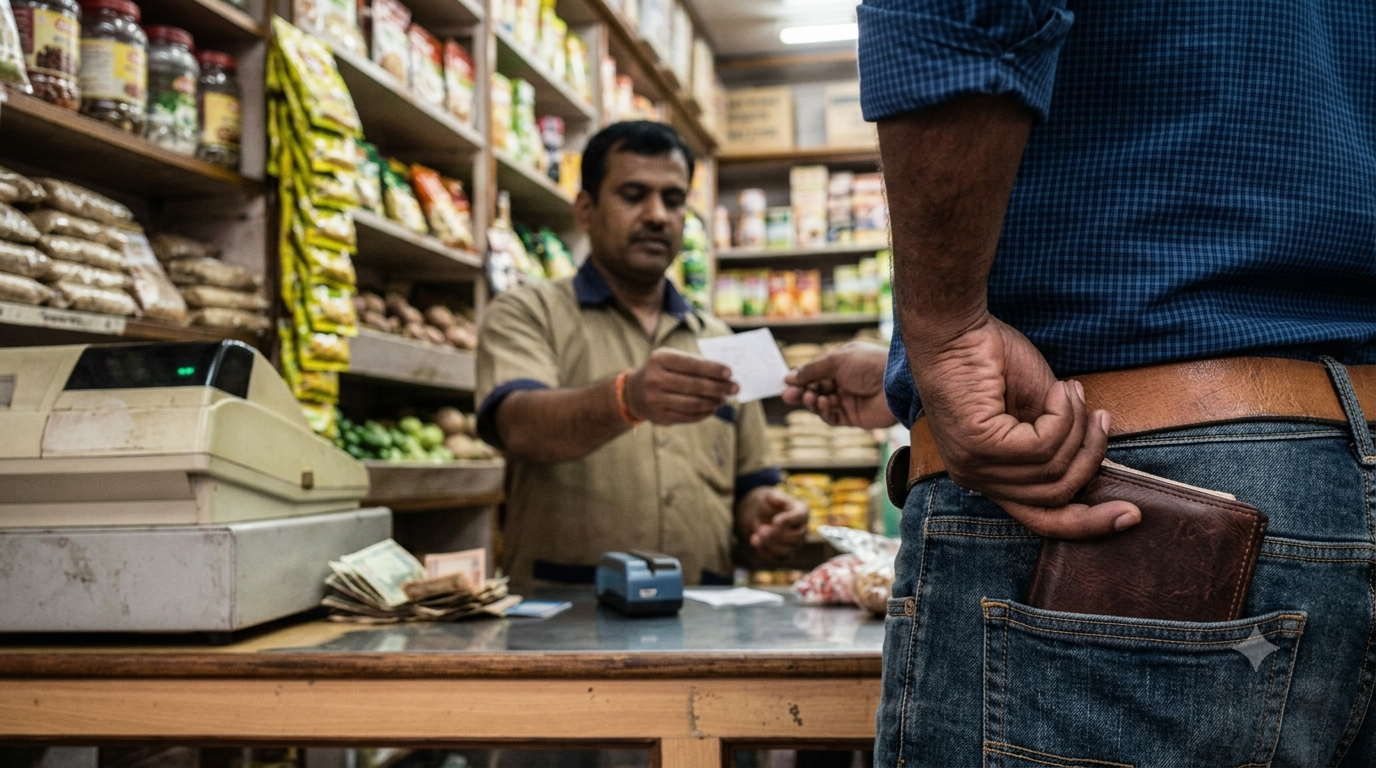
Back pain, pain in the buttock, or tingling running down the leg is often linked to problems in the spine. While these are common causes, everyday habits can sometimes be responsible for similar symptoms. One such habit is carrying a thick wallet in the back pocket and sitting on it for long periods. Though it may appear harmless, this repeated pressure can irritate an important nerve and cause persistent discomfort.
This condition is commonly referred to as wallet sciatica or fat wallet syndrome. It is not a disease in itself but a preventable cause of nerve compression that can closely resemble sciatica arising from spinal conditions. Because the symptoms are similar, the problem may go unnoticed unless daily habits are carefully reviewed.
The sciatic nerve is the largest and longest nerve in the human body. It begins in the lower spine, passes through the buttocks, and travels down each leg. In the buttock region, it runs close to a muscle called the piriformis. Sitting on a bulky wallet creates an uneven surface beneath one side of the pelvis. Over time, this alters posture while sitting, places extra pressure on the piriformis muscle, and can compress the sciatic nerve underneath it.
Continuous pressure can reduce normal blood supply to the nerve, irritate its protective covering, and lead to inflammation. In many individuals, this presents as a form of piriformis syndrome rather than a problem originating in the spine.
Common symptoms include:
- A dull ache in one buttock or the lower back
- Burning or shooting pain travelling down the back of the thigh or leg
- Tingling or pins and needles in the leg or foot
- Numbness on the side where the wallet is usually carried
- Pain that becomes worse after prolonged sitting, especially during office work, long drives, or travel
These symptoms usually occur on one side of the body, matching the side where the wallet is kept.
The challenge is that these complaints can resemble conditions such as a slipped disc, spinal canal narrowing, or other nerve disorders. Self diagnosis based on internet searches may therefore delay the correct treatment. A detailed clinical examination remains important whenever symptoms continue despite simple lifestyle changes.
Certain groups are more likely to experience this problem because of the amount of time they spend sitting. These include:
- Office professionals working long hours at a desk
- Drivers who remain seated for extended periods
- Frequent travellers
- People who routinely carry thick wallets filled with multiple cards, receipts, and cash
Both the thickness of the wallet and the duration of sitting influence the likelihood of developing symptoms.
The encouraging aspect is that treatment is usually straightforward and does not require medication in most cases. Removing the source of pressure often allows the irritated nerve to recover gradually.
Simple measures that can help include:
- Keeping the wallet in a front pocket, jacket pocket, or bag instead of the back pocket
- Reducing unnecessary cards and receipts to make the wallet slimmer
- Using secure digital payment options where appropriate
- Standing and walking for a few minutes every 30 to 45 minutes during prolonged sitting
- Sitting on a firm and even surface with good back support
- Performing gentle stretching exercises for the hip and piriformis muscles after professional guidance
Many individuals notice gradual improvement within a few weeks once the pressure on the nerve is removed. Ignoring the symptoms, however, can allow nerve irritation to continue, making recovery slower and daily activities more uncomfortable.
Medical evaluation becomes important if pain persists despite these changes, if numbness increases, or if weakness develops in the leg or foot. Difficulty in walking, repeated falls, or loss of bladder or bowel control require immediate medical attention, as these symptoms may indicate conditions unrelated to wallet sciatica and need urgent assessment.
Modern lifestyles involve prolonged sitting more than ever before. Small habits that are repeated every day can have a meaningful impact on nerve health. A simple change in where a wallet is carried may help prevent avoidable pain, reduce unnecessary investigations, and improve day to day comfort. At the same time, persistent symptoms should never be dismissed, as they may point towards underlying neurological or spinal conditions that require timely diagnosis and appropriate treatment.
(By Dr Jaideep Bansal, Principal Director and Head of Department, Neurology, Fortis Hospital, Shalimar Bagh)
Disclaimer: The opinions expressed within this article are the personal opinions of the author. NDTV is not responsible for the accuracy, completeness, suitability, or validity of any information on this article. All information is provided on an as-is basis. The information, facts or opinions appearing in the article do not reflect the views of NDTV and NDTV does not assume any responsibility or liability for the same.