

)
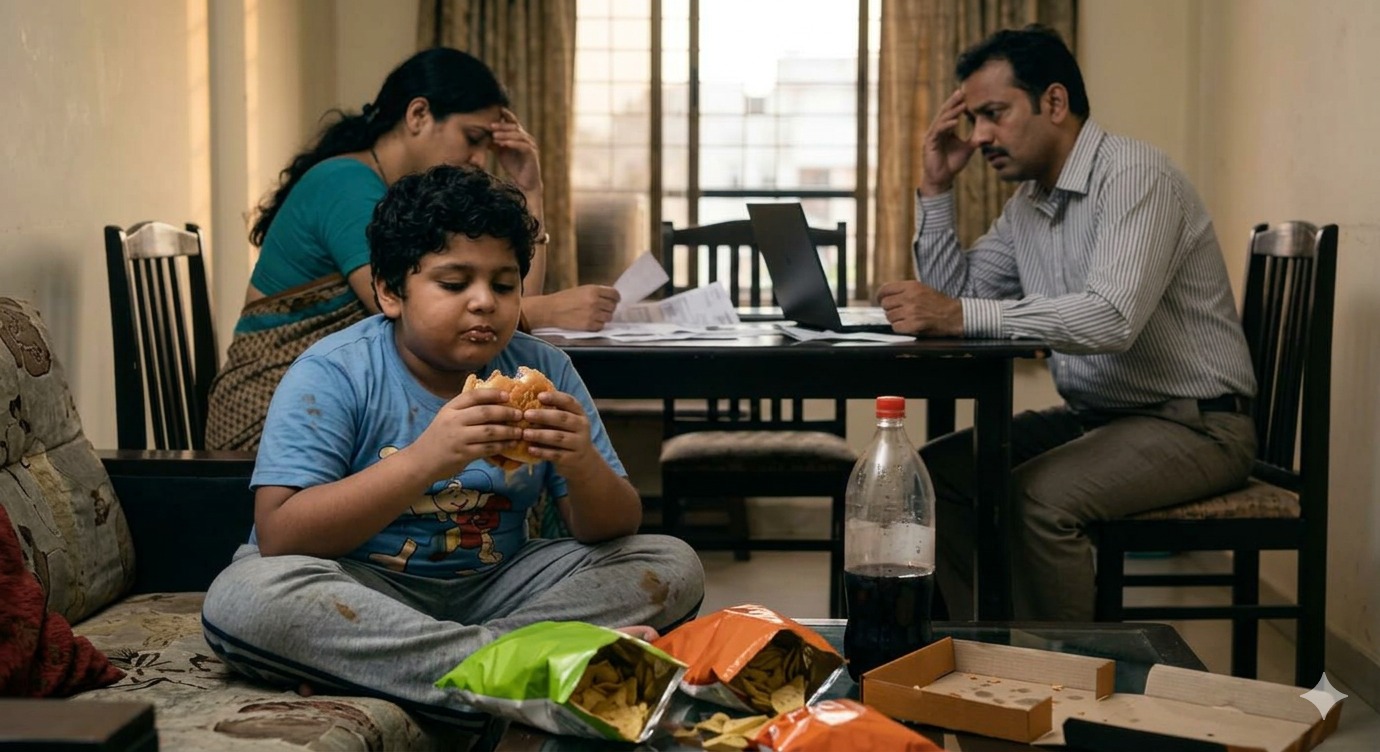
Childhood obesity cases are rising across the world. The World Obesity Federation's World Obesity Atlas 2026 says that 14.9 million Indian children aged 5-9 years and 26.4 million adolescents aged 10-19 were living with overweight or obesity in 2025. India stands second, next to China, in childhood obesity. There are several factors that contribute to childhood obesity, and this includes, sedentary lifestyle, high consumption of ultra-processed food, low physical activity and more. Now, a recent study by Yale University says that parental stress can lead to childhood obesity. The study was published in the journal Pediatrics, which says that lowering parental stress may help reduce the risk of obesity in young children.
Rajita Sinha, PhD, Professor in Neuroscience and the Child Study Center at Yale School of Medicine, said, "We already knew that stress can be a big contributor in the development of childhood obesity. The surprise was that when parents handled stress better, their parenting improved, and their young child's obesity risk went down."
Parental Obesity And Its Link To Childhood Obesity
Earlier studies have found that parental obesity is a major risk factor for childhood obesity. Studies also say that when stressed parents consume fast food and have unhealthy eating habits, it also impacts children's behaviour and eating habits.
Sinha, founding director of the Yale Interdisciplinary Stress Center said that while parental stress has a significant impact on a child's obesity, current obesity prevention programs mostly focus on nutrition education and physical activity.
Study Overview
For the study, the team conducted a 12-week randomized prevention trial with 114 ethnically and socioeconomically diverse parents with overweight or obese children aged two to five.
The participants were divided into two groups. The first group was assigned to the parent stress intervention called Parenting Mindfully for Health (PMH), which focused on mindfulness and behavioural self-regulation skills combined with healthy nutrition and physical activity counseling. The second one was a control intervention group which received only healthy nutrition and physical activity counseling.
Also read: World Obesity Day 2026: India's Child Obesity Numbers Soar, Ranks 2nd Worldwide
The authors said that both groups met weekly for up to two hours. Parents' stress and children's weight was assessed during the 12 weeks, and children's weight was also measured three months after treatment completed. Along with this, positive parenting behaviours such as parents' warmth, listening, patience, and positive affect, as well as children's healthy and unhealthy food intake, were tracked before and after treatment.
Study Findings
The study found that only the first group had lowered parent stress, improved positive parenting, and reduced unhealthy eating in children along with no significant weight gain in their children at three months after treatment.
On the other hand, parents in the control group did not show any such improvements, which included parent stress, positive parenting, or unhealthy child food intake. Moreover, their children showed significant weight increase.
Sinha said, "The combination of mindfulness with behavioral self-regulation to manage stress, integrated with healthy nutrition and physical activity, seemed to protect the young children from some of the negative effects of stress on weight gain."
She added, "Childhood obesity is such a major issue right now, and the results of this study are highly relevant to the current administration's priority of reducing childhood chronic diseases. When people start moving up the weight scale, their risk of obesity-related illnesses, even in children, is increased."
Why Does This Study Matter For India
A majority of Indian parents face moderate-to-severe stress. This happens due to cultural, societal, and economic pressures that increase everyday challenges into relentless burdens. One of the major causes of parental stress in India is academic excellence; children must top exams to secure spots in elite institutions and jobs. Financial strains add to the problem. Rising costs of education, coaching classes, and urban living, impact budgets, while aspirations for lavish weddings and overseas studies add invisible debts. Adding to these are generational trauma and poor work-life balance. All of these factors drive stress, which not only impacts the parents' well-being but also their children.
As obesity cases rise in India, the findings of the study can be beneficial. It highlights how stress management among parents can help improve the health of their children.
Disclaimer: This content including advice provides generic information only. It is in no way a substitute for a qualified medical opinion. Always consult a specialist or your own doctor for more information. NDTV does not claim responsibility for this information.