

)
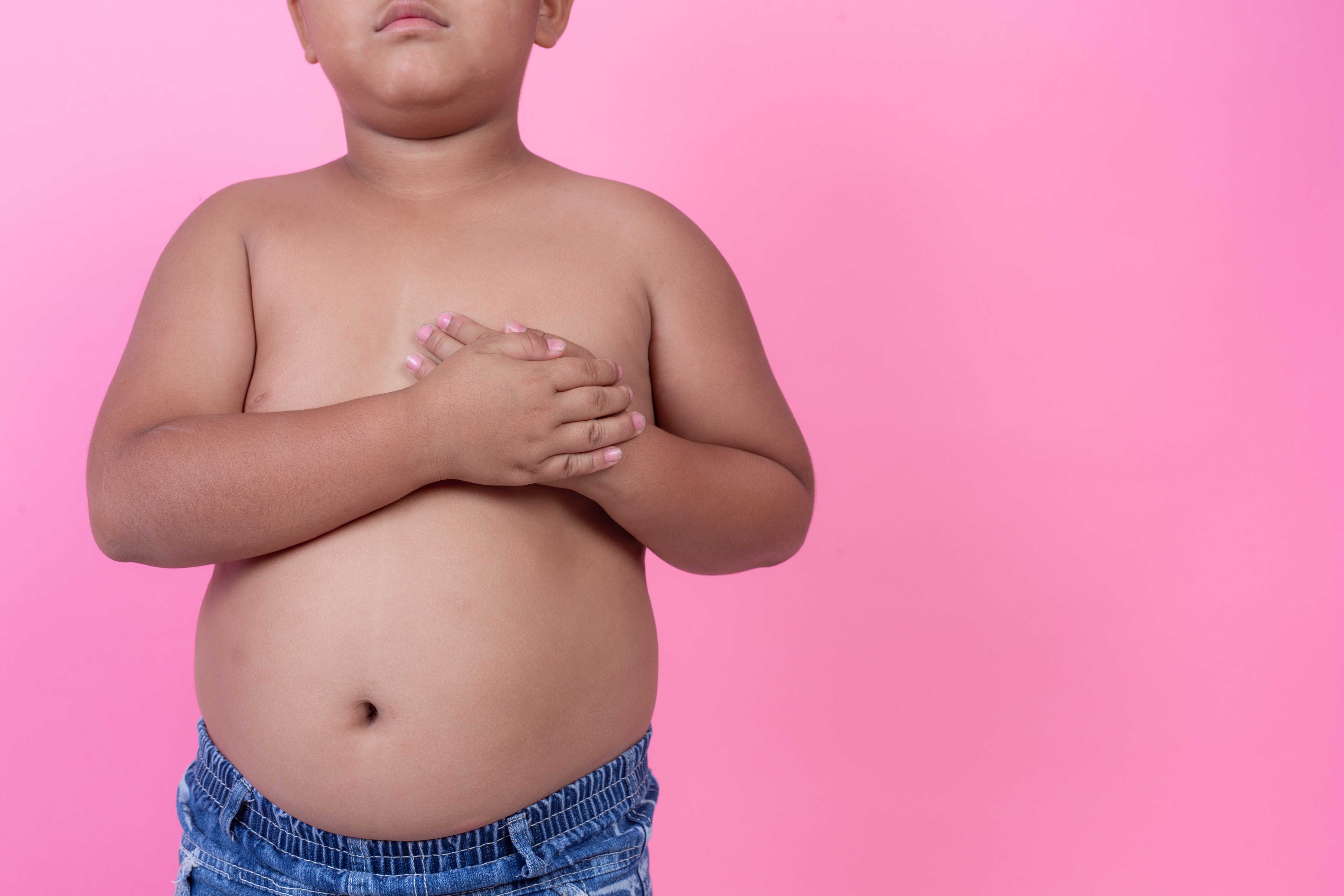
When people think of childhood obesity, they often picture a visibly overweight child. But the reality is more complex. A child does not always have to "look" obese for excess body fat to affect their health. In many cases, weight-related health risks can develop quietly, even when a child appears only slightly heavier than peers or even "normal" at first glance.In recent decades, childhood obesity has increased across the globe. UNICEF reports that the number of children under five affected by overweight or obesity rose from 30 million in 2000 to 37 million in 2022. Among those aged 5-19, the situation is even more striking: global obesity prevalence jumped from just 4% in 1975 to nearly 20% in 2022, representing a tenfold increase.
Obesity Is Not Just About Appearance
Childhood obesity is medically defined using Body Mass Index, adjusted for age and sex. A child's growth pattern, height and weight are plotted on standard growth charts to determine whether they fall into a healthy range. Because children grow at different rates, visual judgement can be misleading. A child may appear healthy but still have excess body fat that increases long term health risks.In some cases, fat distribution also matters. A child who carries more fat around the abdomen may face higher metabolic risk, even if they do not appear severely overweight.
A recent global study published in The Lancet highlighted that in most countries today, more children are living with obesity than with undernutrition. In 2022, obesity was more prevalent than thinness among girls in two-thirds of countries and among boys in over 60% .
The Hidden Health Risks
Excess to body fat in children is linked to several conditions that were once considered adult problems.
These include:
- Type 2 diabetes
- High blood pressure
- Abnormal cholesterol levels
- Fatty liver disease
- Sleep apnoea
Many of these conditions develop gradually and do not cause obvious symptoms at first. A child may be active, playful and energetic, yet still have underlying metabolic changes.
Normal Weight, But Not Necessarily Healthy
There is also a growing concern about children who fall within a normal weight range but have low muscle mass and higher body fat percentage. This is sometimes described as "skinny fat". Poor diet quality, excessive screen time and lack of physical activity can contribute to this imbalance. In such cases, a child may not look overweight, but their body composition may still raise health concerns.
Also read: Childhood Body Weight Predicts Future Diabetes And Heart Disease Risk: New Study
Emotional And Behavioural Signs
Weight related concerns are not only physical. Subtle behavioural signs may also signal an issue. These can include:
- Breathlessness during mild activity
- Avoiding sports or physical play
- Low stamina
- Excessive snacking
- Emotional eating
- Poor sleep
Children may not articulate discomfort clearly. Instead, they may withdraw from activities or feel self conscious.
The Role Of Lifestyle Habits
Childhood obesity often develops due to a combination of factors. High intake of processed foods, sugary drinks and refined carbohydrates plays a major role. Reduced outdoor activity and increased screen time further compound the issue. Family eating patterns, portion sizes and sedentary routines strongly influence a child's weight trajectory. It is rarely about one meal or one habit. It is about consistent patterns over time.
Why Early Detection Matters
Excess weight in childhood often continues into adulthood. Early identification allows for gentle, supportive interventions before complications arise. Routine paediatric check ups include growth monitoring. Parents should not hesitate to discuss weight concerns openly with a doctor, even if the child does not appear obviously overweight. The goal is not to label or shame a child. It is to protect long term health.
Also read: 10 Doctor-Recommended Ways To Protect Your Child From Obesity
Supporting Healthy Growth
Encouraging healthy habits works better than focusing on weight alone. Balanced meals rich in vegetables, fruits, whole grains and protein are essential. Limiting sugary beverages and processed snacks makes a significant difference.
Daily physical activity, even simple outdoor play or cycling, supports muscle development and metabolic health. Most importantly, fostering a positive relationship with food and body image is crucial. Children should feel supported, not criticised. Children do not always "look" obese, and relying solely on appearance can delay important conversations about health. Growth patterns, lifestyle habits and subtle symptoms often reveal more than visual judgement alone. By paying attention to early signs and promoting balanced routines, parents can help children grow into healthier adults. When it comes to childhood health, awareness matters more than assumptions.
Disclaimer: This content, including advice, provides generic information only. It is in no way a substitute for a qualified medical opinion. Always consult a specialist or your own doctor for more information. NDTV does not claim responsibility for this information.