

)
World Obesity Day is an annual global campaign observed on March 4th to raise awareness about the obesity crisis and promote strategies that can help prevent and treat it. The theme for World Obesity Day 2026 is '8 Billion Reasons to Act on Obesity'. According to the World Obesity Federation, this year's campaign highlights that there are 8 billion reasons to act on obesity: every person, every community and every system has a role to play in building a healthier future. It calls for collective responsibility among governments, healthcare providers, and communities to create healthier environments and reduce social stigma.
Several factors fuel the increasing prevalence of obesity globally, like unhealthy eating patterns, sedentary lifestyles, easy availability of processed foods and several environmental factors. Social media also plays a role in influencing eating patterns and lifestyles at large, which strongly impacts body weight.
How social media diet trends worsen the obesity crisis
Influences eating habits
"The way we view food, body image, and weight has changed significantly, thanks to social media. There are a plethora of what I eat in a day vlogs, influencer meal plans, and viral diet challenges on our social media feeds that can significantly change eating habits. By constantly being inundated by fast food ads, oversized portions, and indulgent recipes, one's craving for food is likely increase while making unhealthy options feel like the norm," explains Ms Surabhi Sharma, Head - Dietetics and Nutrition, Max Hospital, Gurugram.
Promotes a sedentary lifestyle
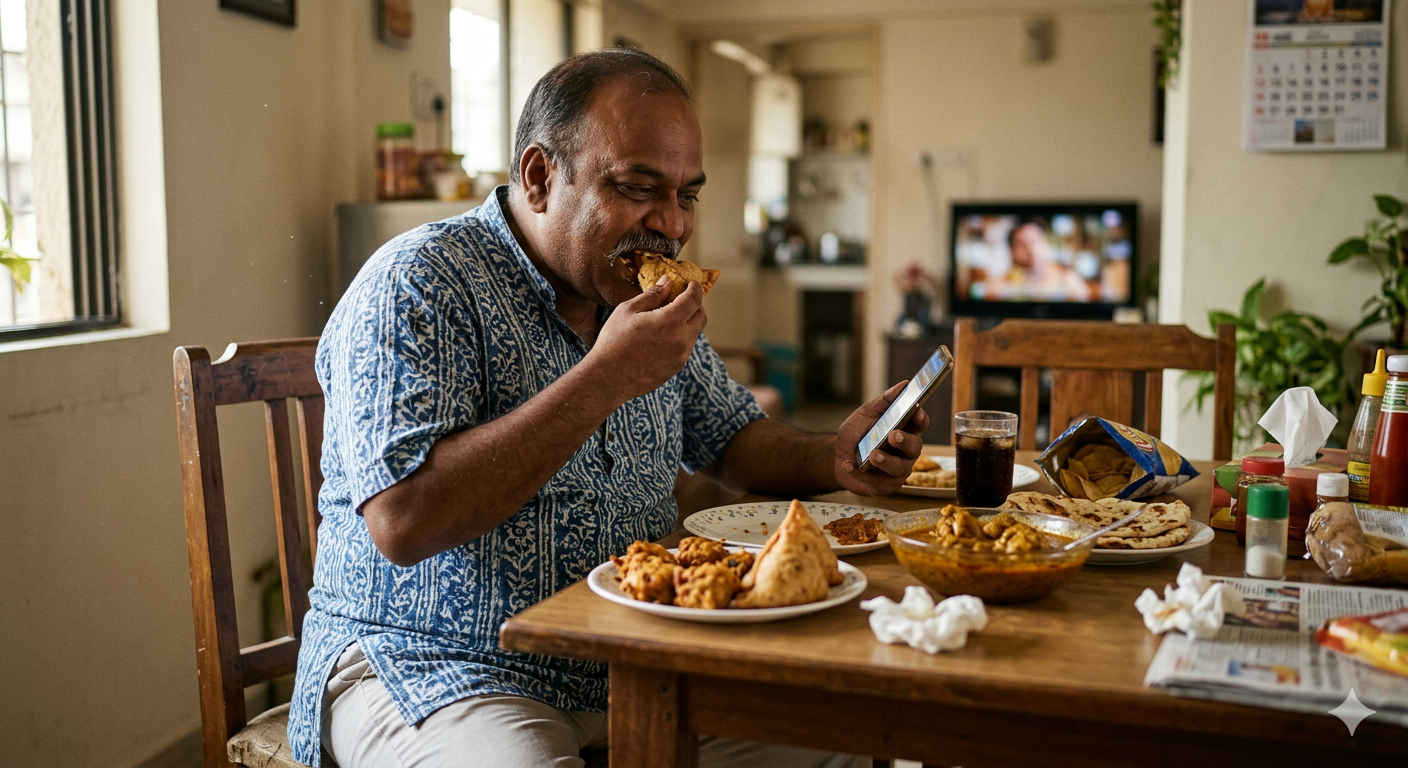
Social media use also promotes longer periods of physical inactivity. As you spend hours scrolling through feeds, it can contribute to weight gain and increase obesity risk.
Encourages unhealthy diet trends
"Shock value trend diets, such as keto, detox cleanses, extreme intermittent fasting, or only liquid plans, are often promoted without sufficient scientific context, and if you follow these diets without professional supervision, you could risk developing nutrient deficiencies, binge eating, or establishing an unhealthy relationship with food," Ms Sharma adds.
"Crash diets often promise rapid results. While the weighing scale may show a temporary drop, much of the initial weight loss comes from water and muscle mass rather than fat. When the body is deprived of adequate nutrition, it adapts by slowing down its metabolic rate - a protective mechanism to conserve energy. Once normal eating resumes, the slower metabolism promotes faster fat storage, leading to weight regain," explains Dr Danendra Sahu, Senior Consultant and Unit Head Endocrinology, Fortis Hospital Shalimar Bagh.
Dr Sahu also explains that repeated restrictive dieting also disrupts hormonal balance, particularly those that regulate hunger and satiety, such as leptin and ghrelin. Psychological effects are equally concerning. Strict food rules often lead to frustration, guilt, and binge eating, creating an unhealthy relationship with food.
Unrealistic expectations
"People have unrealistic expectations of body types, glorifying extreme thinness; this can still cause individuals to develop eating disorders, experience yo-yo dieting, and undergo emotional stress, all of which create barriers to long-term weight control," says Ms Sharma.
While social media can misguide you, it does create a means of spreading credible nutrition information, creating connections with credible experts and developing supportive communities for people interested in making sustainable lifestyle changes. "Ultimately, the challenge lies in the fact that sensationalised and misleading content is more often seen than true information," Ms Sharma highlights.
Disclaimer: This content including advice provides generic information only. It is in no way a substitute for a qualified medical opinion. Always consult a specialist or your own doctor for more information. NDTV does not claim responsibility for this information.