

)
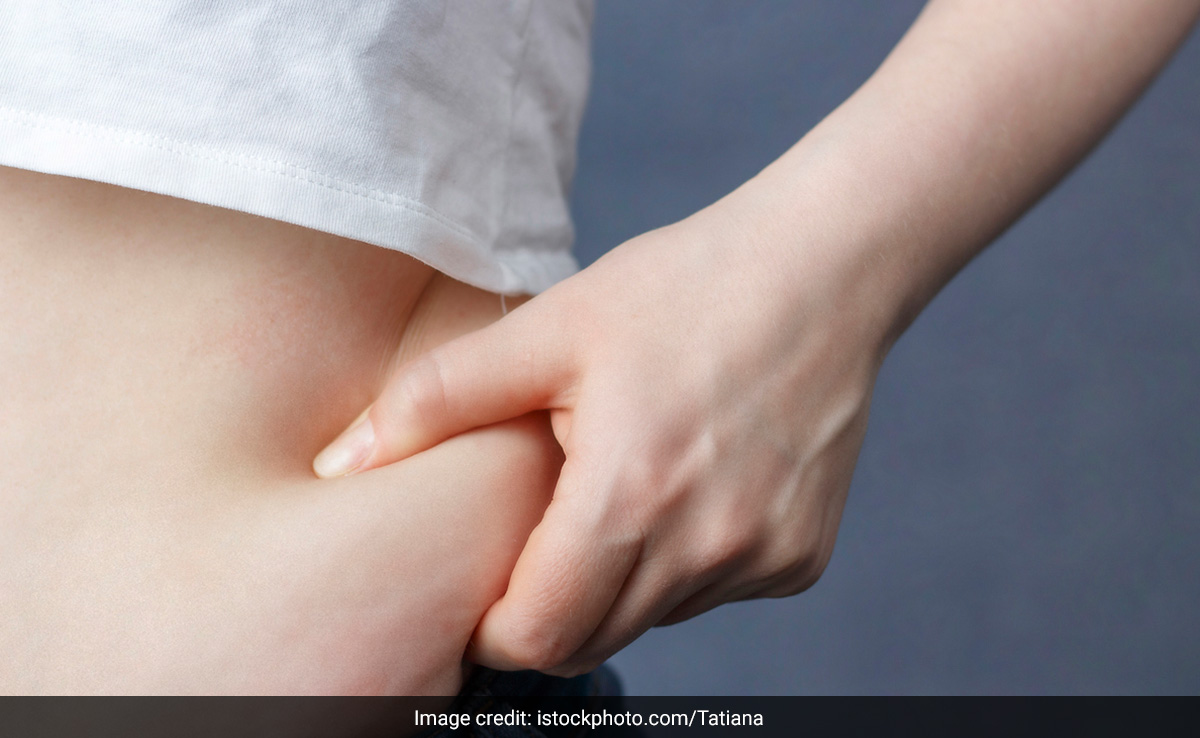
Love handles are among the most stubborn areas of body fat, and many people believe that endless side bends, crunches, or long hours of running are the only way to get rid of them. Social media is also filled with "waist-shrinking" workouts that promise quick results in just a few weeks. However, experts say these claims are largely misleading. While regular exercise is important for overall fitness, you cannot selectively burn fat from one part of your body. Instead, reducing love handles requires lowering overall body fat through a combination of strength training, healthy eating, and sustainable lifestyle habits. The good news? If you dislike running or spending hours on the treadmill, you can still work towards losing stubborn fat around your waist.
"The good news is that running is not the only way to lose body fat. Cardio exercises such as brisk walking, cycling, swimming and jogging improve heart health, increase stamina, enhance insulin sensitivity and contribute to calorie expenditure. However, relying on cardio alone is unlikely to produce the best changes in body composition," says Dr. Aparna Govil Bhasker, Bariatric, laparoscopic and Hernia, weightloss Surgeon, MetaHeal clinic, Mumbai.
"Resistance training is equally important. Strength exercises such as squats, lunges, deadlifts, push-ups and rows help preserve and build muscle while losing fat, leading to better body composition and improved metabolic health. While exercises like planks and crunches strengthen the core, they do not specifically burn fat around the waist," Dr Govil adds.
Can You Lose Love Handles Without Cardio?
According to Dr. Nishant Raizada, Professor & Head, Endocrinology & Diabetes, Amrita Hospital, Faridabad, the answer is yes but not by relying on shortcuts. "If you believe you can eliminate love handles with endless side bends or by avoiding cardio altogether, it's time to separate fitness myths from science. The biggest misconception is that you can 'spot reduce' fat in one part of the body. Sorry, our bodies don't operate that way," Dr Raizada says.
Love handles develop because of an overall increase in body fat, not because one specific muscle is weak. That means no single exercise can directly melt fat from the waist.
Why Do Love Handles Develop?
Love handles are usually caused by a combination of visceral fat (fat around internal organs) and subcutaneous fat (fat just beneath the skin). Several factors can contribute to their development, including:
- Eating more calories than your body burns
- Physical inactivity
- Insulin resistance
- Poor sleep
- Chronic stress
- Diets high in sugary drinks and ultra-processed foods
- Hormonal changes
- Genetics
Because multiple factors influence fat storage, addressing only one area such as exercise is often not enough.
Why Strength Training May Be More Effective Than You Think
Many people assume cardio is the only way to burn fat. While activities like jogging, cycling, and swimming certainly help increase calorie expenditure, resistance training offers unique benefits.
According to Dr. Raizada, "One of the most effective tools is strength training. Building muscle also increases your resting metabolism, so you are burning more calories even when you are not working out. Add to this a protein-rich and fibre-rich diet and you are creating the calorie deficit needed for fat loss whilst preserving muscle."
Unlike crash dieting, which often leads to muscle loss along with fat loss, strength training helps preserve lean muscle while encouraging the body to burn fat more efficiently.
What Does The Research Say?
Scientific evidence also supports resistance training for fat loss. Research published in the Journal of Applied Physiology has shown that resistance training can help reduce body fat while preserving lean muscle mass. Similarly, the American College of Sports Medicine (ACSM) recommends combining strength training with regular daily physical activity, such as brisk walking, rather than relying solely on prolonged cardio sessions. This means you do not necessarily need to run several kilometres every day to improve body composition.
Don't Ignore Your Diet
Exercise alone cannot compensate for an unhealthy diet. Experts recommend focusing on meals that include:
- Lean protein such as eggs, chicken, fish, paneer, tofu, dal, or Greek yogurt
- Plenty of vegetables
- Whole grains in appropriate portions
- Fibre-rich foods
- Healthy fats from nuts and seeds
- Adequate water intake
Protein is especially important because it supports muscle maintenance while keeping you fuller for longer, making it easier to stay in a calorie deficit.
Lifestyle Habits Matter Too
Many people overlook the role of sleep and stress in fat loss. Dr. Raizada points out, "Don't forget lifestyle habits. If you sleep less than seven hours and consume lots of sugary drinks and sit for long periods of time, you will find it much harder to lose fat even if you exercise regularly." Poor sleep has been linked to increased hunger hormones, higher calorie intake, and reduced insulin sensitivity. Chronic stress can also contribute to fat storage around the abdomen through elevated cortisol levels. Simple habits such as sleeping 7-9 hours each night, taking regular movement breaks during the day, and limiting sugary beverages can support long-term fat loss.
Exercises That Can Help
Although no exercise specifically burns love handles, these movements can contribute to overall fat loss and muscle building:
- Squats
- Deadlifts
- Push-ups
- Lunges
- Rows
- Overhead presses
- Planks
- Farmer's carries
- Resistance band exercises
Pairing these with regular walking or other moderate daily activity can create a balanced fitness routine without requiring long cardio sessions.
Be Patient With The Process
Love handles are often among the last areas where the body loses fat. Rapid weight-loss programmes and "waist-trimming" workouts may promise dramatic changes, but they are rarely sustainable. Instead, experts recommend aiming for gradual fat loss through consistent exercise, balanced nutrition, quality sleep, and healthy daily habits. Getting rid of love handles does not require endless hours of running or high-intensity cardio. According to Dr. Nishant Raizada, the focus should be on reducing overall body fat rather than trying to target one specific area.
Strength training, combined with a protein-rich, fibre-rich diet, regular physical activity, adequate sleep, and stress management, offers a more effective and sustainable approach. As your metabolism improves and your overall body fat percentage decreases, those stubborn inches around your waist will gradually reduce too. The goal is not an overnight transformation but lasting health and long-term fitness.
Disclaimer: This content including advice provides generic information only. It is in no way a substitute for a qualified medical opinion. Always consult a specialist or your own doctor for more information. NDTV does not claim responsibility for this information.