

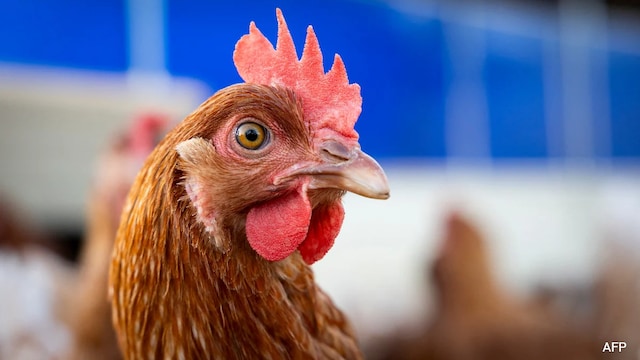
Bird flu outbreaks have always raised concerns about the safety of consuming poultry products, particularly chicken and eggs. With Tamil Nadu stepping up surveillance after confirming H5N1 infection in poultry farms in Cuddalore district, questions about whether these everyday protein sources are safe to eat or not have resurfaced again among public. According to reports, authorities have culled around 40,000 chickens and temporarily restricted broiler farming in the affected area as part of containment measures. Director of Public Health Dr Somasundaram has also instructed officials across Tamil Nadu to strengthen surveillance and preventive measures. He clarified that no human cases of bird flu had been detected in the state so far and urged people to remain alert without panicking. For people who regularly consume eggs and chicken to meet their daily protein requirements, an outbreak can create uncertainty about what to include in their diet. However, experts say there is no need to eliminate properly cooked poultry and eggs from meals simply because bird flu has been reported in an area.
According to Charu Dua, Head of Clinical Nutrition, Amrita Hospital, Faridabad, properly cooked chicken and eggs are safe to consume when sourced responsibly and handled hygienically. She also explains why avoiding these foods unnecessarily could affect protein intake and what precautions consumers should follow during an outbreak.
Is It Safe To Eat Chicken And Eggs During A Bird Flu Outbreak?
If you cookchicken and eggs properly, they are considered safe to eat during a bird flu outbreak, provided they are obtained from reliable sources and prepared hygienically.
Explaining the science behind poultry consumption during an outbreak, Charu Dua said that avian influenza viruses, including H5N1, primarily infect birds. The virus is sensitive to heat, which means adequate cooking destroys it.
"The science is, however, reassuring. Cooked poultry and eggs are safe to eat, as long as they come from a responsible source and are handled hygienically," she said. According to the World Health Organization (WHO), avian influenza viruses are killed when poultry and eggs are properly cooked to an internal temperature of at least 70 degrees Celsius. However, the greater risk comes from direct exposure to infected birds, contaminated surfaces and raw poultry during handling. Therefore, consumers should pay attention to food hygiene and preparation rather than unnecessarily eliminating all poultry products from their diets.
Can Bird Flu Spread Through Eating Chicken And Eggs?
Avian influenza, commonly known as bird flu, is an infectious disease caused by influenza A viruses that primarily affect birds. H5N1 is one of the subtypes associated with outbreaks among poultry populations. Human infections are uncommon but can occur, particularly following close or unprotected contact with infected birds, their secretions, contaminated environments or infected poultry during handling. According to Charu Dua, the main concern during an outbreak is exposure to infected birds and contaminated surfaces rather than consuming properly cooked poultry products. Heat plays an important role in reducing this risk. Adequately cooking chicken and eggs helps destroy the virus, which is why consuming thoroughly cooked poultry is considered safe. However, people should avoid handling sick or dead birds and should not consume poultry products that are raw or inadequately cooked.
What Happens To Your Protein Intake If You Stop Eating Eggs And Chicken?
Eggs and chicken are popular protein sources because they provide high-quality protein and several essential nutrients. For people who regularly depend on these foods to meet their daily nutritional requirements, eliminating them without suitable alternatives can make it harder to maintain adequate protein intake.
Charu Dua highlights that avoiding these foods unnecessarily during an outbreak could affect daily protein consumption. A large egg provides approximately 6-7 grams of protein, along with important nutrients such as vitamin B12, choline and essential amino acids. Chicken is another concentrated source of protein. A 100-gram portion of cooked chicken breast provides approximately 30 grams of protein, making it a useful food for people looking to maintain muscle mass and support recovery.
Protein is essential for several functions in the body, including muscle maintenance, tissue repair and immune function. Therefore, people who remove major protein sources from their diets should ensure that they replace them with nutritionally adequate alternatives.
5 Precautions To Follow While Eating Chicken And Eggs During Bird Flu
Although properly cooked poultry products are considered safe, following basic food-safety practices is important, particularly during an outbreak.
1. Buy Chicken And Eggs From Reliable Sources
Purchase poultry products from trusted suppliers who follow appropriate food-safety and hygiene practices. Avoid buying chicken from questionable sources or handling poultry obtained from areas where an outbreak has been reported without following official advisories. Consumers should also follow local health authorities' instructions regarding restrictions on poultry sales and consumption in affected areas.
2. Cook Chicken Thoroughly
It is always advised not to consume raw or partially cooked chicken during an outbreak. Ensure that poultry is cooked thoroughly, with an internal temperature of at least 70 degrees Celsius, as recommended by WHO for killing avian influenza viruses. Proper cooking is important because heat destroys the virus and reduces the risk associated with consuming contaminated poultry.
3. Avoid Raw And Undercooked Eggs
Eggs should also be cooked properly before consumption. Avoid raw eggs, runny preparations and dishes containing uncooked egg during an outbreak. Preparations such as thoroughly cooked omelettes, boiled eggs and scrambled eggs are preferable to dishes in which the eggs remain raw or partially cooked.
4. Prevent Cross-Contamination In The Kitchen
Raw chicken can contaminate kitchen surfaces, utensils and other foods if handled incorrectly. Keep raw poultry separate from cooked food and other ready-to-eat ingredients. Use clean utensils and chopping boards, and ensure that surfaces that come into contact with raw meat are properly cleaned. Avoid using the same utensils for raw and cooked chicken without washing them thoroughly in between.
5. Wash Your Hands After Handling Raw Poultry
Hand hygiene is another important preventive measure. Wash your hands thoroughly with soap and water after touching raw chicken, eggs or surfaces that may have come into contact with poultry products. These precautions help reduce the risk of transferring contaminants to other foods, kitchen surfaces or your face.
What Can You Eat For Protein If You Want To Avoid Chicken And Eggs?
People who prefer to temporarily avoid poultry products can still meet their protein requirements through several other dietary sources. Charu Dua suggests including pulses, dairy products and soy-based foods as alternatives to maintain a balanced protein intake. Pulses such as lentils, chickpeas, kidney beans and black gram provide plant-based protein along with dietary fibre and other nutrients. Dairy products such as milk, curd, paneer and yoghurt can also contribute to daily protein requirements. Soy products, including tofu and soy chunks, are additional options for people looking to increase their plant-based protein intake. However, the amount of protein varies across these foods, so individuals should consider portion sizes and their overall dietary requirements when planning meals. A varied diet combining different protein sources can help ensure adequate nutrient intake without depending exclusively on eggs and chicken.
A bird flu outbreak does not automatically mean that people need to stop eating chicken and eggs. According to nutrition expert Charu Dua, properly cooked poultry and eggs from reliable sources are safe to consume when handled hygienically. The important precautions are to avoid raw or undercooked poultry products, prevent cross-contamination, maintain hand hygiene and follow advisories issued by local authorities. For people who rely on eggs and chicken as their primary protein sources, unnecessarily eliminating these foods without suitable replacements could affect their daily nutritional intake. As bird flu surveillance intensifies in affected regions, the focus should remain on responsible food handling, thorough cooking and informed dietary choices rather than fear-driven restrictions.
Disclaimer: This content including advice provides generic information only. It is in no way a substitute for a qualified medical opinion. Always consult a specialist or your own doctor for more information. NDTV does not claim responsibility for this information.