

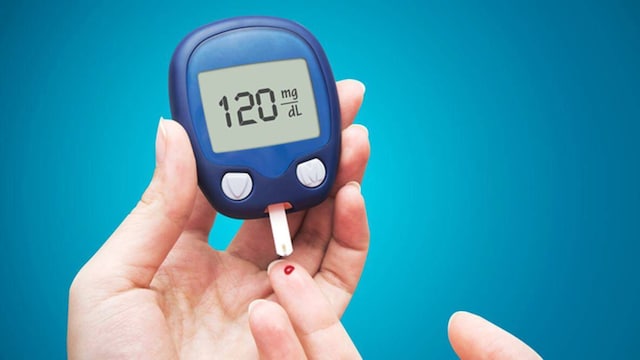
World Diabetes Day is observed every year on November 14 to raise awareness about diabetes, its prevention, early diagnosis and management. The theme for World Diabetes Day 2026 is "Early action on diabetes," highlighting the importance of identifying diabetes and its risks early. One of the most important stages at which early action can make a difference is prediabetes. It means blood sugar levels are higher than normal but not yet high enough to be diagnosed as type 2 diabetes.
Prediabetes usually doesn't cause obvious symptoms, so a lot of people may have the condition without knowing. The good news is that this stage is a window of opportunity. With timely changes in diet, physical activity, weight and other lifestyle habits, prediabetes can often be reversed or its progression to type 2 diabetes delayed. But first, let's understand what prediabetes is.
What Exactly Is Prediabetes?
Prediabetes means the body is starting to have difficulty in regulating blood sugar effectively. One commonly used measure is the HbA1c test, which shows the average blood sugar levels over roughly the previous three months. According to the Centers for Disease Control and Prevention (CDC), an HbA1c below 5.7% is considered normal, while 5.7% to 6.4% falls in the prediabetes range. An HbA1c of 6.5% or higher is in the diabetes range.
Prediabetes does not mean that a person will definitely develop diabetes. However, it signals towards a higher risk of type 2 diabetes, as well as heart disease and stroke.
Can Prediabetes Actually Be Reversed?
Yes, in many people, blood sugar levels can return to the normal range. The term "reversal" generally means bringing blood sugar levels back below the prediabetes range through lifestyle changes. It does not mean that a person can forget about their diabetes risk. The CDC says that early action can reverse prediabetes and help prevent or delay type 2 diabetes. Even modest changes can help make a meaningful difference. Here are some ways that can help reverse prediabetes.
Ways To Reverse Prediabetes
1. Work Towards A Healthy Weight
If you are overweight, losing even a modest amount of weight can improve the body's ability to regulate blood sugar. The CDC says losing around 5% to 7% of body weight is a practical initial target. For example, for someone weighing 80 kg, losing about 4 to 5.6 kg can be a meaningful goal. The focus should be on gradual and sustainable weight loss rather than crash diets.
2. Get Physically Active
Regular physical activity helps the body use glucose more efficiently and can also help improve insulin sensitivity. The World Health Organisation (WHO) recommends at least 150 minutes of moderate physical activity a week. This means you can work out about 30 minutes a day, five days a week. Brisk walking is one simple way to reach this target, but other activities that raise the heart rate can also be beneficial. If you are currently inactive, it is better to start with shorter periods and gradually increase the duration rather than suddenly doing intense workouts.
3. Balanced Diet
Reversing prediabetes does not mean completely eliminating carbohydrates or following an extremely restrictive diet. Instead, you should focus on meals that contain more vegetables, fibre-rich foods, adequate protein and minimally processed foods. Reduce frequent consumption of foods high in added sugar and refined carbohydrates, as well as highly processed and calorie-dense foods. Portion size is also important.
4. Break Up Long Periods Of Sitting
Exercise once a day is helpful, but being active throughout the day can also help in better blood sugar control. If your work involves sitting for several hours, take regular breaks. Walk around the house or office, take the stairs when possible, or simply stand and move for a few minutes between long periods of sitting. These small changes can make daily activity easier to maintain.
5. Get Enough Sleep And Manage Stress
Sleep and stress are often overlooked. Poor sleep and ongoing stress can make it difficult to maintain healthy eating and activity habits. They can also affect the hormones that are involved in appetite and glucose regulation. Maintaining a regular sleep schedule, limiting late-night screen use and finding healthy ways to manage stress can support the effort to reduce diabetes risk.
6. Keep A Check On Your Blood Sugar
If you have been diagnosed with prediabetes, your doctor may recommend repeating blood sugar or HbA1c testing at certain intervals. Monitoring can show whether the changes are working and if you need additional treatment or support.
Prediabetes gives you an opportunity to act before type 2 diabetes develops. Achieving around 5% to 7% weight loss along with at least 150 minutes of physical activity a week can reduce the risk of developing type 2 diabetes.
Disclaimer: This content including advice provides generic information only. It is in no way a substitute for a qualified medical opinion. Always consult a specialist or your own doctor for more information. NDTV does not claim responsibility for this information.