

As temperatures dip, our bodies naturally begin adapting to the colder weather. Blood vessels constrict to help conserve heat and protect vital organs, while changes in metabolism, digestion and skin moisture can leave some people feeling more sluggish, dry or uncomfortable during winter.
Nutritionist Lovneet Batra has shared a post on Instagram highlighting five everyday foods that deserve more attention during the colder months. From sweet potatoes and nuts to ghee, amla, oranges, ginger and garlic, her winter food checklist focuses on simple additions that can help support energy, skin health, digestion and immunity.
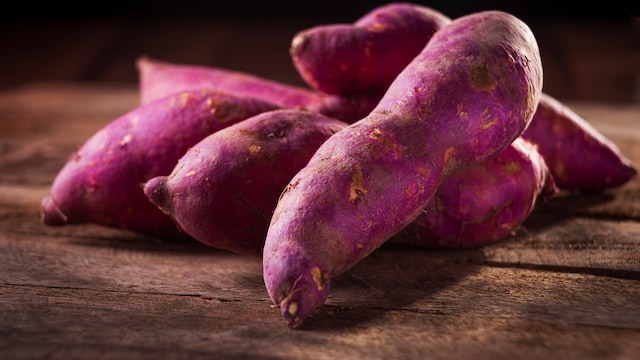
Feeling Low On Energy? Reach For Sweet Potatoes
If winter leaves you feeling unusually low on energy, Bhadra recommends adding complex carbohydrates such as sweet potatoes to your meals.
Sweet potatoes are a good source of complex carbohydrates and can provide steady energy. Batra explains that these carbohydrates also support the body's processes involved in thyroid hormone activity and metabolism.
So, instead of skipping carbohydrates completely, adding nutrient-rich options such as sweet potatoes can be a simple way to make winter meals more filling and balanced.
Dry Winter Skin? Add A Handful Of Nuts
Dry, flaky skin is another common winter complaint. Batra suggests making nuts and seeds a regular part of your diet, especially at breakfast.
Almonds and walnuts provide healthy fats, essential fatty acids and vitamin E. These nutrients support the skin's natural barrier, which helps maintain moisture and protect the skin from becoming excessively dry.
A small handful of nuts with breakfast, or as a snack between meals, can therefore be an easy addition to a winter routine.
Ghee Can Be Part Of Balanced Winter Meals
For Batra, ghee also has a place on the winter food checklist, particularly when it comes to supporting digestion.
Ghee contains butyric acid, a short-chain fatty acid that can provide fuel for cells lining the gut. Batra notes that including ghee in meals can support the digestive process, especially when winter diets tend to become heavier and richer.
The idea is not to overdo it, but to use ghee as part of a balanced meal.
Don't Ignore Amla And Oranges
Vitamin C-rich foods such as amla and oranges should also make their way into the winter diet, according to Batra.
Amla is particularly nutrient-dense and, along with citrus fruits such as oranges, provides vitamin C that supports normal immune function. Batra also highlights the role of vitamin C in supporting the respiratory tract's natural defences.
Adding fresh amla or an orange to your daily diet can be a simple way to bring more seasonal fruit into your meals.
Ginger And Garlic For That Winter Warmth
Finally, Batra recommends keeping ginger and garlic in the kitchen during winter.
Both ingredients contain naturally occurring plant compounds and have long been used in everyday cooking for their warming flavour and potential health benefits. Ginger, in particular, is often associated with supporting digestion and circulation, while garlic adds flavour along with beneficial sulphur-containing compounds.
As per Batra, use ginger and garlic generously in winter cooking rather than treating them as occasional ingredients.
Disclaimer: This content including advice provides generic information only. It is in no way a substitute for a qualified medical opinion. Always consult a specialist or your own doctor for more information. NDTV does not claim responsibility for this information.