

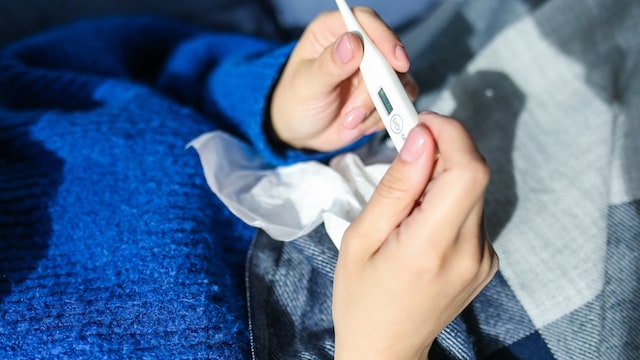
As winter approaches, reports of an early flu season and a changing influenza strain spreading overseas have raised concerns about the respiratory health risks people may face in the coming months. In India, particularly across Delhi-NCR and North India, the combination of colder temperatures, rising air pollution and seasonal infections could add to the burden on the respiratory system.
Influenza, commonly known as the flu, is a viral infection that affects the nose, throat and lungs. The influenza virus changes over time, which is why new variants and subtypes continue to emerge. However, the emergence of a mutated strain does not automatically mean that it will cause a more severe outbreak. Its impact depends on factors such as how easily it spreads, the immunity people already have and how well existing vaccines protect against it.
At present, reports of a strain spreading overseas should be monitored, but there is no reason to assume that India will necessarily experience a severe flu season because of these developments. Surveillance and timely public health measures remain important to identify changes in circulating viruses and respond appropriately.
Can the new strain spread to India?
International travel makes it possible for influenza viruses to move between countries. However, the detection of a strain overseas does not establish that it is circulating widely in India or that it will cause a major outbreak here. Monitoring influenza activity, testing suspected cases when indicated and tracking changes in circulating strains can help health authorities assess the situation.
Will existing flu vaccines offer protection?
Seasonal influenza vaccines are designed to protect against the strains expected to circulate during a particular flu season. Their effectiveness can vary depending on how closely the vaccine strains match the viruses circulating in the community. Even when the match is not perfect, vaccination may reduce the risk of severe illness and complications.
Annual flu vaccination is particularly important for older adults, young children, pregnant women and people with conditions such as asthma, diabetes, heart disease or weakened immunity. People should consult their doctor about the appropriate vaccine and timing, especially if they belong to a high-risk group.
READ | Asthma, Influenza And The Power Of Prevention In Winters: Why Staying One Step Ahead Matters
How does air pollution make things worse?
Air pollution is an additional concern during winter, particularly in North India. Exposure to fine particulate matter and other pollutants can irritate and inflame the airways, worsen asthma and other respiratory conditions, and increase vulnerability to respiratory infections. When someone develops influenza during periods of poor air quality, coughing, breathlessness and chest discomfort may become more difficult to manage.
People should check local air quality levels, limit strenuous outdoor activity when pollution is severe and use a well-fitting N95 mask when exposure cannot be avoided. Indoor ventilation should also be maintained where possible, while avoiding sources of indoor smoke.
How can you distinguish flu from a cold or pollution irritation?
Influenza often begins suddenly, with fever, body aches, headache, marked fatigue and a dry cough. A common cold usually develops gradually and is more likely to cause a runny or blocked nose, sneezing and a sore throat. Pollution-related irritation may cause burning eyes, throat irritation, coughing or wheezing, particularly after exposure to polluted air.
However, these symptoms can overlap, and symptoms alone cannot reliably identify a particular influenza strain. Medical evaluation and testing may be needed, depending on the severity of illness and the person's risk factors.
READ | Flu Season Is Here: Why Doctors Say October Is Time For Your Shot
When should you seek medical attention?
Difficulty breathing, persistent chest pain, confusion, bluish lips, severe weakness or signs of dehydration require urgent medical attention. People at higher risk should contact a doctor early if flu symptoms develop, as antiviral treatment may be recommended in certain cases.
Basic precautions remain effective: wash your hands regularly, cover coughs and sneezes, avoid close contact with others when unwell and stay home while recovering. Antibiotics do not treat influenza because it is caused by a virus.
The key message is preparedness, not panic. Staying updated on public health advisories, getting vaccinated when recommended and taking air pollution seriously can help people reduce their risk of complications during the winter months.
(By Dr Rajesh Bhardwaj, MBBS (AFMC Pune), MS ENT (Silver Medal), DNB, DLO, DHA Founder, MedFirst ENT Centre, Vasant Vihar, New Delhi)