

)
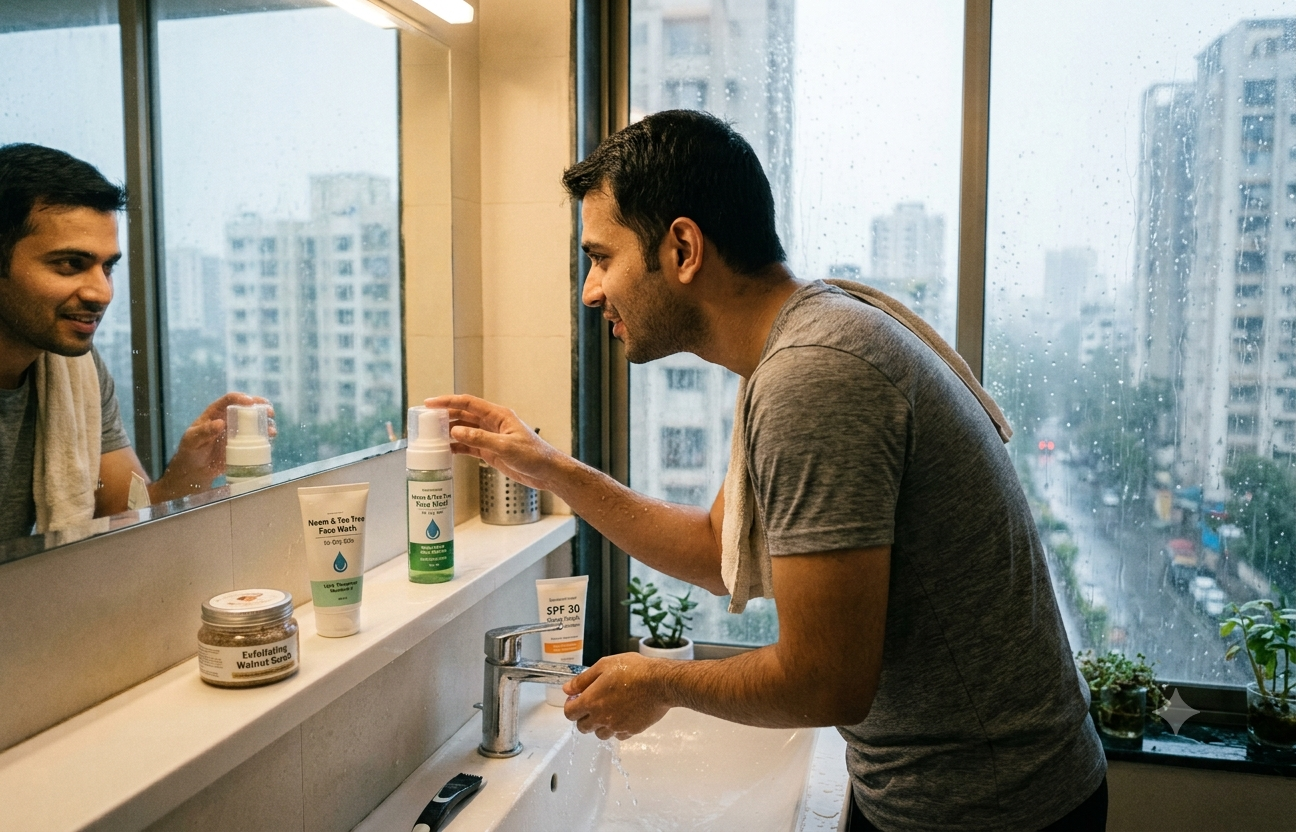
Monsoon season brings relief from the scorching heat, but it also brings skincare information with it. Your skin barrier is susceptible to changes in season and reacts according to the atmospheric temperature. When there is moisture or humidity in the air, the uppermost layer of your skin can suffer from skin issues such as acne, infections, or irritation. Social media trends influence monsoon skincare habits, which can worsen your skin issues. What you need is simple skincare science that keeps your moisture intact on your skin barrier. Extreme dryness or excess sweat can damage the skin's pH, and this can become the start of a host of skin issues. Popular skincare beliefs may be doing more harm than good, and there needs to be a consideration of skin type to make sure your skin doesn't suffer during the monsoon.
Why Skin Problems Increase During Monsoon
Research published in the Clinical Infection in Practice suggests that humidity takes a toll on your skin health during the monsoon. The uppermost layer of your skin can suffer due to increased sweating and excess oil production, as well as clogged pores.
When the skin barrier is suffering from the side effects of these environmental triggers, then skin infections become more common. The possibility of fungal and bacterial skin infections increases during the monsoon as the skin is damp due to the rain. This is why keeping it dry is essential for protecting your skin health.
Monsoon Skin Myth 1: You Don't Need Sunscreen On Cloudy Days
This is a popular myth, as people feel that if they can't see the sun's rays, then their skin is safe from ultraviolet damage.
What Dermatologists Say
Dr Rashmi Sharma, Senior Consultant, Dermatology, Fortis Gurgaon, explains, "She explained that humidity can worsen acne, fungal infections, and scalp issues during the rainy season. She also emphasised using sunscreen even on cloudy days."
Dr Swati Mohan, Dermatologist, Fortis Hospital, Faridabad, highlights, "Up to 80% of UV rays can penetrate cloud cover even during monsoon, making sunscreen essential."
The exposure to the ultraviolet rays is persistent all through the year, whether it is sunny or cloudy outside.
What You Should Do
Indians need to wear a broad-spectrum SPF 30+ sunscreen that is reapplied every 2-3 hours if outdoors.
Monsoon Skin Myth 2: Rainwater Is Good For Your Skin
Rainwater exposure can prove dangerous for your skin, as it contains a combination of water from the ground. Even though most people think that it is natural and clean, the reality is that it carries pollutants and contaminants. When you get wet in the rain, immediate showering in clean water is mandatory as the possibility of skin irritation and infections increases.
Monsoon Skin Myth 3: Oily Skin Doesn't Need Moisturiser
Many people who have an oily skin type think that their skin doesn't need a moisturiser, but this is untrue. Every skin type needs a moisturiser, as your pores open up after getting wet in the rain. When your skin is exposed to rainwater, you need to hydrate your skin even further, as it produces more oil.
If you keep skipping the moisturising step, then it may weaken the skin barrier.
Better Alternative
You need to use a lightweight gel-based moisturiser in the monsoon to keep your skin healthy and supple.
Monsoon Skin Myth 4: Washing Your Face Repeatedly Prevents Acne
This is a complete myth, as repetitive washing of your face strips the natural oils that keep its pH balanced. According to the science of skincare, washing your face in the morning isn't advised until you have been exposed to the outdoors or have profuse sweat due to a workout. Washing your face after being outdoors is advised, but using a gentle cleanser is necessary as temperature differences can affect your skin's pH. Overwashing your face can increase skin irritation and oil production, increasing the chances of acne or whiteheads.
Recommended Routine
- Cleanse twice daily, once while taking a morning bath and once before bedtime.
- Use gentle cleansers to keep your skin's pH intact.
Monsoon Skin Myth 5: Pimples Increase Only Because Of Oily Food
Pimples, or acne, are caused by inflammation under the surface of the skin. This inflammation can be triggered due to humidity, sweat, clogged pores, or fluctuations in your hormones.
A major component of acne is actually tied to your dietary choices, but it doesn't affect it solely.
Monsoon Skin Myth 6: Indoor Air Means Zero UV Damage
This is a very common monsoon skin myth, as most people don't consider that UV rays can enter through the windows. Office workers and students who are studying indoors need to make sure that they wear sunscreen daily to avoid any damage from the sun's UV rays. The side effects on the skin barrier have worsened due to climate change and erratic weather patterns, and your skincare routine should take these factors into account.
Constant exposure to screens can damage your skin texture if you don't wear sunscreen. Using mineral-based sunscreen for those who spend most of their time in front of the screen is necessary.
Screen exposure can even contribute to pigmentation that can affect the external appearance of the skin.
Monsoon Skin Myth 7: Natural Remedies Are Always Safe
Natural remedies that are popularised on social media are considered safe for skincare, but the reality is different. Every skin type is different and needs a specific skincare routine to keep itself nourished and healthy throughout the year.
Dr Rashmi Sharma points out, "Using any and every natural remedy can disrupt the skin barrier."
Chemical burns and skin irritation concerns are linked to mindless use of natural remedies. You need to perform a skin patch test to make sure the ingredient is not reacting with your skin.
Monsoon Skin Myth 8: Skin Infections Only Affect People With Poor Hygiene
This is untrue, as high humidity can increase the chances of fungal or bacterial growth, causing skin infections. Topical treatment is necessary to treat it, and even those with good hygiene can develop skin infections.
Warning Signs Of Skin Infections
- Itching
- Redness
- Persistent rashes
Monsoon Skin Myth 9: Acne Will Automatically Improve In Rainy Weather
This is false, as acne can worsen in rainy weather, as the polluted water comes into contact with your skin.
What Research Shows
Research published in the Environmental Health Perspectives points to worsening acne in humid weather. The excessive sweating and oil accumulate on the skin's surface and trigger flare-ups.
Monsoon Skin Myth 10: More Skincare Products Mean Better Protection
Dr Swati Mohan warns against using too many skincare products at once. She says, "People need to keep their skincare routines simple." The main focus of skincare should be on cleansing, moisturising, and sun protection.
Dermatologist-Approved Monsoon Skincare Routine
You need to listen to what your skin needs and make your daily skincare routine suitable for your skin type and season. Dr Rashmi Sharma suggests making this your skincare routine:
Morning
- Gentle cleanser
- Lightweight moisturiser
- Sunscreen
Evening
- Cleanser
- Targeted treatment (if prescribed)
- Moisturiser
Humidity changes skin behaviour significantly during monsoon, which is why using the right skincare products in the desired sequence can reduce your skincare worries.
Also Read: From Glow To Hydration: Nutritionist Shares Foods That Support Skin Health
Disclaimer: This content including advice provides generic information only. It is in no way a substitute for a qualified medical opinion. Always consult a specialist or your own doctor for more information. NDTV does not claim responsibility for this information.