

A fever followed by an itchy rash can leave parents wondering whether their child has chickenpox or another childhood infection. Chickenpox, also known as varicella, is a highly contagious viral illness caused by the varicella-zoster virus. In children, the rash is often the most recognisable symptom, with red spots gradually developing into itchy, fluid-filled blisters before drying into scabs. While chickenpox is usually mild in otherwise healthy children, it can sometimes lead to complications. Knowing what the rash looks like, which medicines may help, what parents should avoid and when to consult a doctor can make caring for a child with chickenpox easier.
What are the first signs of chickenpox?
Chickenpox can begin with symptoms such as fever, tiredness, headache and loss of appetite. In children, however, the rash may sometimes be the first noticeable sign of infection. "Chickenpox is a highly contagious viral infection caused by the varicella-zoster virus and is particularly common among children who have not been vaccinated or previously infected," said Dr Pallav Mishra, Director, Internal Medicine, ShardaCare - Healthcity. The characteristic rash often starts as small red spots that develop into raised bumps and then fluid-filled blisters. These eventually burst or dry and form scabs.
One feature that can help distinguish chickenpox from some other rashes is that new spots can continue to appear for several days, meaning a child may simultaneously have red spots, fresh blisters and crusted lesions. The rash commonly begins on the face, scalp or trunk before spreading to other areas.
How long does chickenpox last?
The rash generally develops over several days, with lesions progressing from spots to blisters and then scabs. The illness commonly lasts around four to seven days, although the scabs can take longer to completely disappear. A child can remain contagious from about one to two days before the rash appears until all the lesions have crusted over. This is why children with chickenpox should stay away from school and avoid close contact with people who may be particularly vulnerable to complications.
What medicines can be given to a child with chickenpox?
For most healthy children, treatment is mainly aimed at relieving symptoms rather than treating the virus directly. "Most healthy children recover without serious complications, and treatment is usually focused on relieving symptoms. Adequate fluids, rest and keeping the child comfortable are important," said Dr Mishra. Paracetamol may be used for fever, but parents should check with a paediatrician about the appropriate dose according to the child's age and weight.
Never give aspirin to a child with chickenpox
Parents should not give aspirin to a child who has chickenpox. Aspirin use in children with chickenpox has been associated with Reye's syndrome, a rare but serious condition affecting the liver and brain. Parents should also speak to a doctor before giving other painkillers or fever medicines. The Centers for Disease Control and Prevention advises avoiding ibuprofen if possible in children with chickenpox because of an association with serious bacterial skin infections.
Do antibiotics treat chickenpox?
Chickenpox is caused by a virus, so antibiotics do not treat the chickenpox infection itself. However, scratching the blisters can damage the skin and allow bacteria to cause a secondary infection. If the skin becomes increasingly red, warm, swollen, painful or starts producing pus, the child should be evaluated by a doctor. In some children at higher risk of severe disease, a doctor may prescribe an antiviral medicine. Such treatment is most effective when started early and should not be started without medical advice.
How can parents reduce itching?
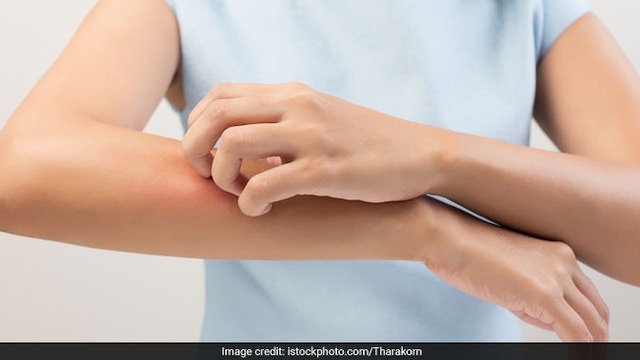
Itching is one of the most uncomfortable parts of chickenpox. Excessive scratching can also break the skin and increase the risk of a bacterial infection. Dr Mishra recommends keeping the child's fingernails short to minimise skin damage. Parents can also try measures such as:
- Calamine lotion or another doctor-recommended treatment for itching
- Lukewarm or cool baths
- Loose, comfortable clothing
- Keeping the child's nails short and clean
- Encouraging the child not to scratch the blisters
- Cool baths and preparations containing oatmeal may also help soothe itching.
Should a child with chickenpox go to school?
A child with chickenpox should stay home and avoid close contact with others until the lesions have crusted over. This is particularly important around pregnant women, newborns and people with weakened immunity, as chickenpox can be more severe in these groups. Chickenpox spreads through respiratory droplets and through direct contact with fluid from the blisters, making close-contact environments such as schools and childcare settings particularly vulnerable to transmission.
When should parents take the child to a doctor?
Most children recover without major complications, but chickenpox can occasionally cause bacterial skin infections, pneumonia, inflammation of the brain and other serious complications. Parents should seek medical attention if the child develops:
- Difficulty breathing
- Persistent or frequent vomiting
- Severe headache
- Unusual drowsiness, confusion or difficulty waking
- Difficulty walking
- Signs of dehydration
- High or persistent fever
- Severe cough
- Increasing redness, warmth, swelling or pain around the blisters
- Pus or other signs of a bacterial skin infection
Children under one year, adolescents, pregnant women and people with weakened immune systems are among those at greater risk of severe chickenpox and should receive medical advice promptly if exposed or symptomatic.
Can chickenpox be prevented?
Vaccination is one of the most effective ways to prevent chickenpox and reduce the risk of severe disease. Vaccination schedules differ between countries, so parents should follow the schedule recommended by their paediatrician and local immunisation programme. Children who have never had chickenpox or received the vaccine may also be eligible for vaccination after exposure, depending on the circumstances and medical advice.
It is also important not to deliberately expose an unvaccinated child to someone with chickenpox in an attempt to make them develop immunity. Health authorities advise against this because there is no way to predict whether a child will develop complications. Chickenpox is usually a self-limiting infection in healthy children, but that does not mean parents should ignore the symptoms. The characteristic itchy rash, which progresses from spots to fluid-filled blisters and then scabs, is an important clue. The focus at home should be on fluids, rest, fever control, itch relief and preventing scratching. Never give aspirin to a child with suspected chickenpox, and do not use antibiotics unless a doctor identifies a bacterial infection. If the child develops breathing difficulty, persistent vomiting, unusual drowsiness, dehydration, prolonged or high fever, or signs of an infected rash, seek medical attention promptly. Vaccination remains an important way to protect children from chickenpox and its complications.
Disclaimer: This content including advice provides generic information only. It is in no way a substitute for a qualified medical opinion. Always consult a specialist or your own doctor for more information. NDTV does not claim responsibility for this information.