)
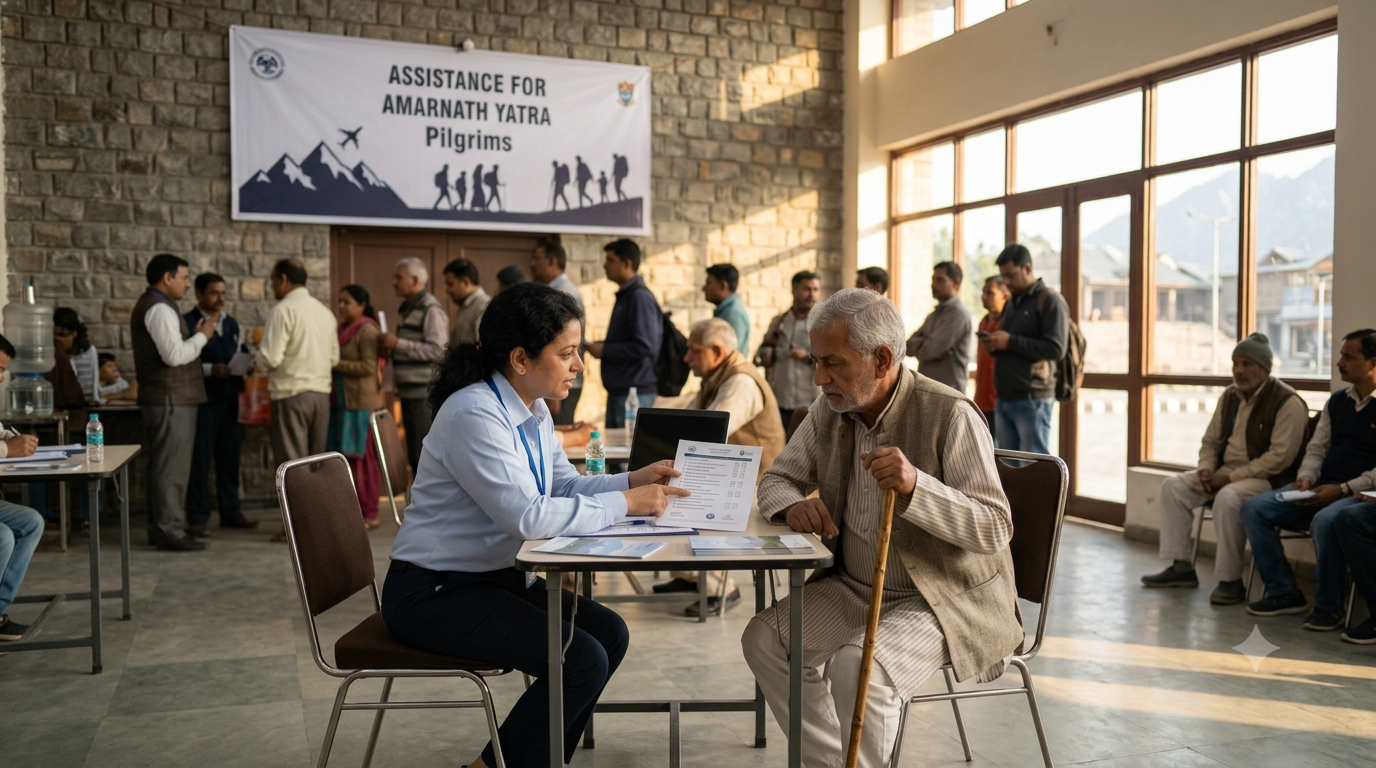
The annual Amarnath Yatra is one of India's most revered pilgrimages, attracting lakhs of devotees who travel through challenging mountain terrain and high-altitude conditions. While most pilgrims focus on registrations, accommodation, and travel logistics, health preparedness and insurance coverage often receive far less attention. Medical emergencies during the yatra can arise due to altitude sickness, dehydration, injuries, or sudden worsening of pre-existing conditions. The Jammu and Kashmir administration has stepped up preparations for the Amarnath Yatra. Every registered pilgrim is automatically provided with an accident insurance cover of Rs 10 lakh by the Shri Amarnathji Shrine Board (SASB). This policy covers accidental death and disability for the duration of the Yatra. Service providers such as ponywalas are also covered.
Experts say understanding your health insurance policy before starting the journey can help avoid financial stress and ensure timely medical care if an emergency occurs.
Check What Your Health Insurance Actually Covers
Many travellers assume that a standard health insurance policy automatically covers all medical emergencies during travel. However, this may not always be the case. According to Arun Ramamurthy, Co-founder of Staywell Health, pilgrims should carefully review their policy to understand what is covered before leaving for the yatra. "Travellers should verify whether their policy covers emergency hospitalisation, ambulance services, reimbursement timelines, cashless treatment, and whether there is a network hospital near their destination. Understanding these details beforehand can prevent confusion during a medical emergency," he says.
Experts also recommend carrying a physical or digital copy of your insurance card and keeping emergency helpline numbers readily accessible throughout the journey.
Also read: Amarnath Yatra 2026: Comprehensive Health Guide With Essential Medicines, Signs Of Illness
Confirm Cashless Hospital Availability
Cashless treatment can significantly reduce delays during emergencies, particularly in remote locations. Kulin Shah, Co-founder and COO of Onsurity, advises pilgrims to check whether their insurer has empanelled hospitals along the Amarnath Yatra route. "It is important to understand your policy's network hospitals, emergency hospitalisation benefits, exclusions, and limitations before travelling. Knowing where you can receive treatment can make a significant difference during an emergency," he explains.
People With Existing Medical Conditions Need Extra Precautions
The high-altitude terrain can place additional strain on the heart, lungs, and overall body, especially in older adults and people with chronic illnesses. Experts recommend that anyone with hypertension, diabetes, heart disease, asthma, or other respiratory illnesses undergo a medical check-up before undertaking the pilgrimage. "Pilgrims with pre-existing medical conditions should consult their doctor before travelling, carry sufficient medicines, and keep relevant medical records with them. Preventive healthcare becomes especially important in high-altitude environments," says Ramamurthy.
Shah adds that recognising the early symptoms of altitude sickness, staying hydrated, and taking prescribed medications regularly can help minimise health risks during the journey.
Don't Ignore Digital Healthcare Support
Healthcare support is no longer limited to physical hospitals. Teleconsultations, digital medical records, online prescriptions, and virtual healthcare services can provide valuable assistance for non-emergency medical concerns while travelling, particularly when immediate in-person consultations are not easily available. Experts advise pilgrims to keep digital copies of medical reports, prescriptions, and insurance documents easily accessible on their phones.
Also read: Aarogya Setu 2.0 Launch Today: 10 New Features That Could Transform Healthcare
Health Insurance Is Part Of Travel Preparation
While travel planning often focuses on transport and accommodation, health experts stress that insurance should be viewed as an essential part of pilgrimage preparation rather than simply financial protection after an emergency. "Health insurance is more than just financial security. Understanding your coverage, knowing the healthcare services available during travel, and taking preventive health measures can help ensure a safer and more confident pilgrimage," says Ramamurthy.
Shah agrees, adding, "Health insurance should not simply be viewed as a financial safety net after an emergency, but as an essential component of planning and preparing for high-risk travel such as the Amarnath Yatra."
Essential Health Insurance Checklist Before Amarnath Yatra 2026
Before starting your pilgrimage, make sure you:
- Review your health insurance policy thoroughly.
- Check for cashless hospitals along the Yatra Route.
- Understand emergency hospitalisation and ambulance benefits.
- Carry your health insurance card and emergency contact numbers.
- Consult your doctor if you have diabetes, hypertension, heart disease, asthma, or other chronic illnesses.
- Carry enough prescribed medicines and copies of medical records.
- Stay hydrated and learn the warning signs of altitude sickness.
- Keep digital health records and teleconsultation services accessible throughout the journey.
Health experts emphasise that proper planning, preventive healthcare, and a clear understanding of insurance coverage can make the Amarnath Yatra safer, particularly for senior citizens and pilgrims with underlying medical conditions.
Disclaimer: This content including advice provides generic information only. It is in no way a substitute for a qualified medical opinion. Always consult a specialist or your own doctor for more information. NDTV does not claim responsibility for this information.