

)
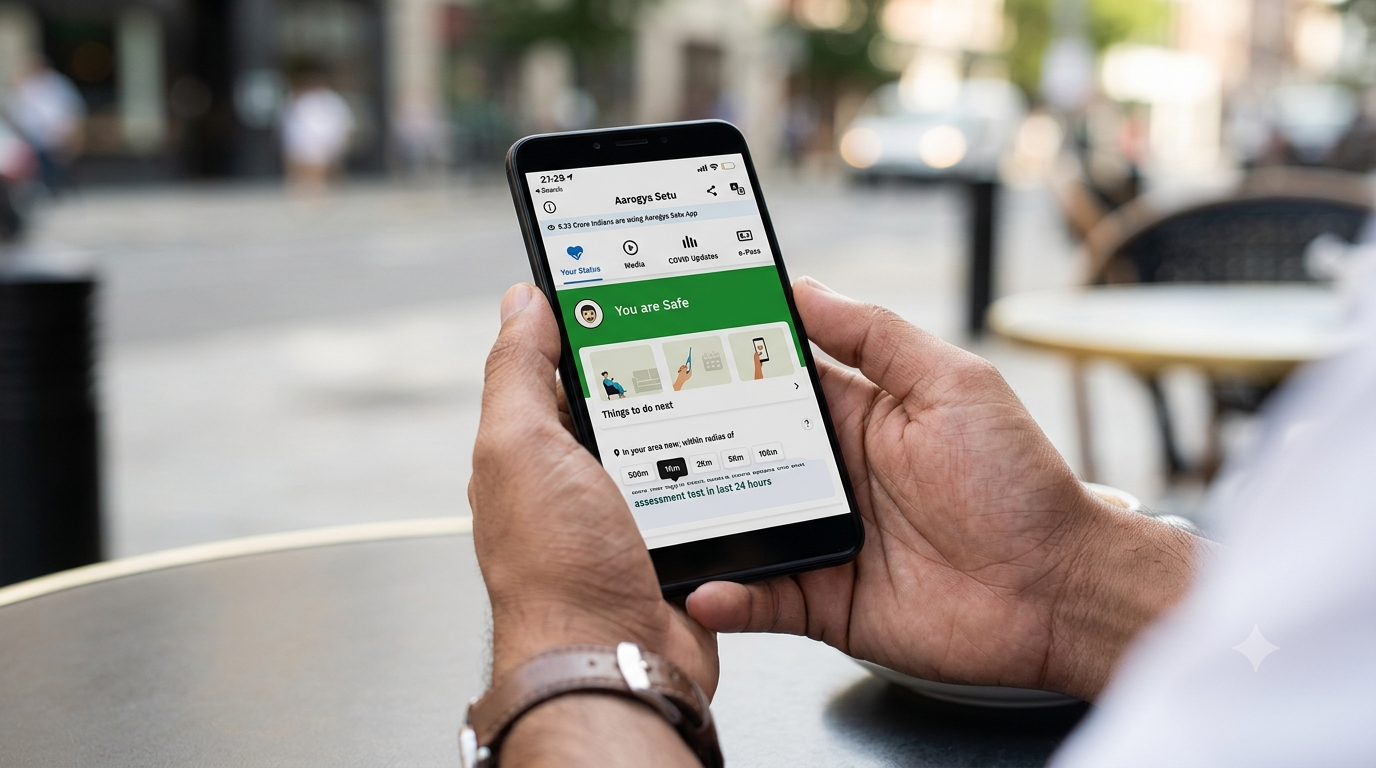
Six years after becoming India's primary Covid-19 contact-tracing application, Aarogya Setu is getting its biggest transformation yet. The Government of India is launching Aarogya Setu 2.0, repositioning the platform as a comprehensive national digital health application rather than a pandemic-specific tool. The new version aims to integrate multiple healthcare services under one interface, making it easier for citizens to access medical records, locate healthcare facilities, book appointments, manage health insurance benefits and securely share health information with doctors.
The launch is closely aligned with the Ayushman Bharat Digital Mission (ABDM), India's flagship initiative to create a digitally connected healthcare ecosystem. Through the use of Ayushman Bharat Health Account (ABHA) IDs, the government hopes to reduce paperwork, improve continuity of care and make healthcare more accessible, particularly for patients who frequently visit different hospitals or relocate between cities.
Healthcare experts believe digital health records and interoperable systems could improve efficiency, reduce duplicate investigations and empower patients with greater control over their medical information. However, experts also emphasise that data privacy, informed consent and digital literacy will remain crucial as India expands its digital health infrastructure.
Here's everything you need to know about the new Aarogya Setu 2.0 platform.
What Is Aarogya Setu 2.0?
Unlike the original app, which primarily focused on Covid-19 risk assessment and contact tracing, Aarogya Setu 2.0 is designed as a single digital gateway for healthcare services.
According to government information, the upgraded application integrates services available under the Ayushman Bharat Digital Mission, allowing citizens to manage healthcare digitally while maintaining consent-based sharing of medical information.
Top Features Expected In Aarogya Setu 2.0
- Create And Manage Your ABHA ID: Users can generate and manage their Ayushman Bharat Health Account (ABHA) directly through the application. The ABHA acts as a unique digital health identifier that links medical records across participating healthcare providers.
- Access Digital Health Records: Patients will be able to access laboratory reports, prescriptions, discharge summaries and diagnostic records digitally instead of carrying paper files to every consultation.
- Discover Hospitals, Doctors And Labs: The app allows users to search verified hospitals, diagnostic centres, blood banks and healthcare professionals participating in the ABDM ecosystem.
- Faster OPD Registration: Through the "Scan and Share" feature, patients can register for outpatient consultations at participating hospitals without lengthy queues, reducing waiting times.
- Digital Payments: Users can pay for healthcare services digitally using QR-enabled payment systems integrated within participating healthcare facilities.
- Manage Family Health Records: One account can securely organise health information for multiple family members, making it easier for caregivers to manage children's or elderly parents' medical records.
- Ayushman Bharat Benefits: Eligible beneficiaries can access information related to PM-JAY empanelled hospitals, treatment eligibility and available benefits.
- Consent-Based Data Sharing: Medical records are shared only after user approval, in line with the consent framework developed under the Ayushman Bharat Digital Mission.
- DigiLocker Integration: Health documents can be securely stored using DigiLocker, reducing the risk of losing important medical reports.
- One Platform For Healthcare: Rather than using multiple apps for appointments, records and insurance, Aarogya Setu 2.0 seeks to bring these services together under a single interface.
How Could This Benefit Patients?
India's healthcare system often requires patients to repeat tests because previous reports are unavailable or inaccessible. Digital health records can reduce unnecessary duplication, improve continuity of care and help doctors make more informed treatment decisions.
The World Health Organization (WHO) has also highlighted that digital health technologies can improve access, efficiency and patient-centred care when implemented responsibly.
For patients living with chronic diseases such as diabetes, hypertension or heart disease, having lifelong digital records could make follow-up care considerably easier.
Will Privacy Be Protected?
Privacy remains one of the biggest questions surrounding digital health platforms.
Under the Ayushman Bharat Digital Mission, health records are designed to be shared only with explicit patient consent. Users retain control over who can access their information and for how long.
Experts nevertheless stress that continued investment in cybersecurity, robust encryption and public awareness will be essential as millions of Indians begin storing sensitive medical data digitally.
The Bigger Picture
Aarogya Setu 2.0 represents a significant evolution from a pandemic-era application into a national digital healthcare platform. If implemented effectively, it could simplify hospital visits, improve coordination between healthcare providers and reduce administrative burden for both patients and doctors.
However, widespread success will depend on healthcare providers joining the ecosystem, public trust in digital health records and strong safeguards for data privacy. While digital transformation alone cannot solve every healthcare challenge, it could make accessing care faster, more transparent and more patient-centric, provided privacy, interoperability and accessibility remain central to its implementation.
Disclaimer: This content including advice provides generic information only. It is in no way a substitute for a qualified medical opinion. Always consult a specialist or your own doctor for more information. NDTV does not claim responsibility for this information.