

)
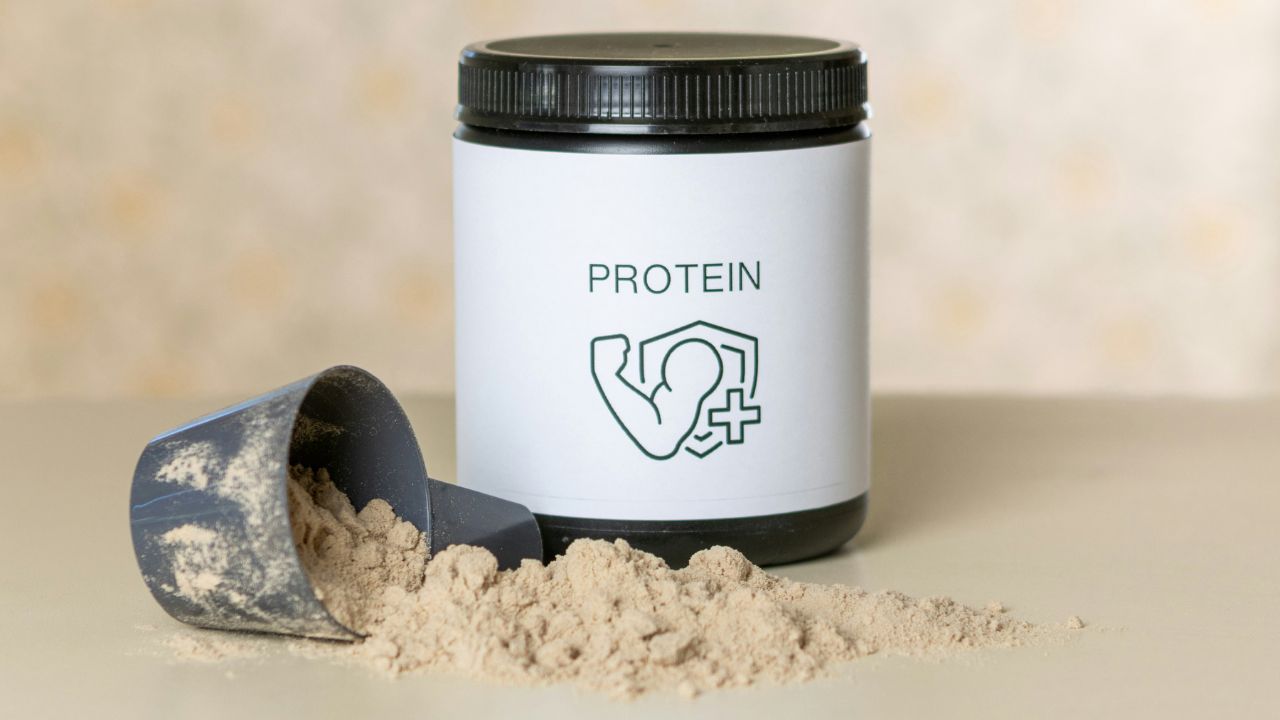
If you have ever flipped over your tub of post-workout protein powder to scan the ingredient list, you have likely moved past a string of complex chemical and food-science terms. Among them, one additive frequently pops up in flavoured whey, mass gainers, and plant-based protein blends: maltodextrin. At first glance, it sounds like an intimidating lab-created compound designed strictly for industrial food processing. But what actually is it? Why is it sitting in your daily fitness shake, and should you be worried about it? Wellness is a science rather than a marketing secret. Let's decode this common food additive, look closely at how it interacts with the body, and learn how to navigate your labels with this ingredient.
What Exactly Is Maltodextrin?
Maltodextrin is a white, odourless, water-soluble powder processed from starchy plant sources such as corn, rice, potato, or wheat. Even though it originates from natural, plant-based starches, it undergoes heavy refinement, meaning it is ultimately classified as a highly processed, complex carbohydrate.
To manufacture it, food scientists use a process called partial hydrolysis. The starches are cooked down and treated with specific acids or enzymes to break down the large molecular structures into smaller, easily digestible chains of sugar molecules, known as polymers.
Depending on the exact processing method, maltodextrin can be almost entirely tasteless or carry a mildly sweet hint. Because it dissolves instantly in liquids and mixes smoothly without leaving a grainy texture, it has become a staple additive across the global food industry. You will find it tucked away everywhere, from instant soups, sauces, and salad dressings to your favourite pre-workout and post-workout fitness supplements.
Why Do Manufacturers Add It To Protein Powders?
You might reasonably wonder why a protein supplement needs a carbohydrate filler when you are paying top dollar for muscle-building protein. Maltodextrin serves several distinct manufacturing, structural, and functional purposes in sports nutrition formulations:
- Improves Texture and Mixability: Nobody enjoys a clumpy, chalky protein shake that refuses to blend. Maltodextrin acts as an exceptional bulking agent and texture enhancer, ensuring the powder dissolves seamlessly into water, milk, or plant-based alternatives.
- Extends Shelf Life: As a stable carbohydrate, it helps absorb residual moisture and prevents the protein powder from caking, hardening, or spoiling prematurely in humid environments.
- Rapid Energy Replenishment: In mass gainers or specialised post-workout blends, maltodextrin is intentionally added to provide a fast-acting source of carbohydrates. It digests rapidly, quickly spiking blood sugar and insulin levels, which helps shuttle essential amino acids straight into depleted muscle tissues after a heavy training session.
- Cost-Effective Filler: Pure protein isolate is expensive to produce. Adding maltodextrin helps manufacturers increase product volume while managing retail costs for the consumer.
Is Maltodextrin Good or Bad for Your Health?
The impact of maltodextrin on your body largely depends on your personal health goals, metabolic status, and the specific type of fitness supplement you are consuming. Let's weigh the scientific facts:
1. The Glycaemic Index Concern
Maltodextrin has a surprisingly high Glycaemic Index (GI) that is often ranking higher than table sugar itself, with values stretching anywhere from 85 to over 105. This means your body breaks it down and absorbs it into the bloodstream at an extremely rapid pace.
If you are managing pre-diabetes, insulin resistance, or type 2 diabetes, frequent and sharp spikes in blood glucose can be deeply counterproductive to your long-term metabolic health.
2. Gut Microbiome Impact
Emerging nutritional research published in the Nature Reviews Gastroenterology and Hepatology Journal suggests that highly processed food additives like maltodextrin can alter the delicate balance of bacteria residing in your gut. Some studies indicate that it may suppress beneficial gut microbes while promoting the growth of opportunistic bacteria associated with intestinal inflammation. If you already suffer from chronic bloating, irritable bowel syndrome (IBS), or a sensitive digestive tract, a protein powder heavy on maltodextrin might leave you feeling sluggish and distressed.
3. Caloric Density And Weight Goals
If your primary fitness objective is lean muscle definition, body recomposition, or fat loss, hidden carbohydrates from maltodextrin can sneak extra calories into your daily diet without offering much satiety or fullness. However, if you are a "hard gainer" struggling to pack on muscle mass and needing high-calorie surges, this fast-digesting carb can actively work in your favour.
How To Read Your Labels Wisely
"While maltodextrin is entirely safe from a regulatory standpoint and serves a practical purpose for rapid glycogen replenishment in athletes, those with metabolic sensitivities or gut issues should view it as a fast-acting carb source rather than a benign filler," explains Dr Siddharth Bhargava, Clinical Nutritionist and Metabolic Health Specialist.
Separating health facts from clever marketing fiction starts with looking closely at the back of your supplement tub. If you want to limit your intake of hidden fillers like maltodextrin, keep these practical tips in mind:
- Check the Ingredient Order: Ingredients are legally listed by weight. If maltodextrin appears in the first three positions, your protein powder is heavily bulked with it.
- Look for Clean Labels: Opt for "isolates" or "hydrolysates" that explicitly state "no added sugars" or "zero fillers" or brands sweetened naturally with alternatives like stevia or monk fruit.
- Assess Your Goals: If you are buying a dedicated "mass gainer", expect maltodextrin to be present as a primary calorie source. If you are buying a standard daily whey protein, you can easily find clean formulations that skip the filler entirely.
Maltodextrin is a food additive that has proven side effects, so identifying it in what you are buying is essential.
Also Read: Is Coffee Really Harmful For Your Health? Doctor Recommends This Change For Better Liver Health
Disclaimer: This content including advice provides generic information only. It is in no way a substitute for a qualified medical opinion. Always consult a specialist or your own doctor for more information. NDTV does not claim responsibility for this information.