

)
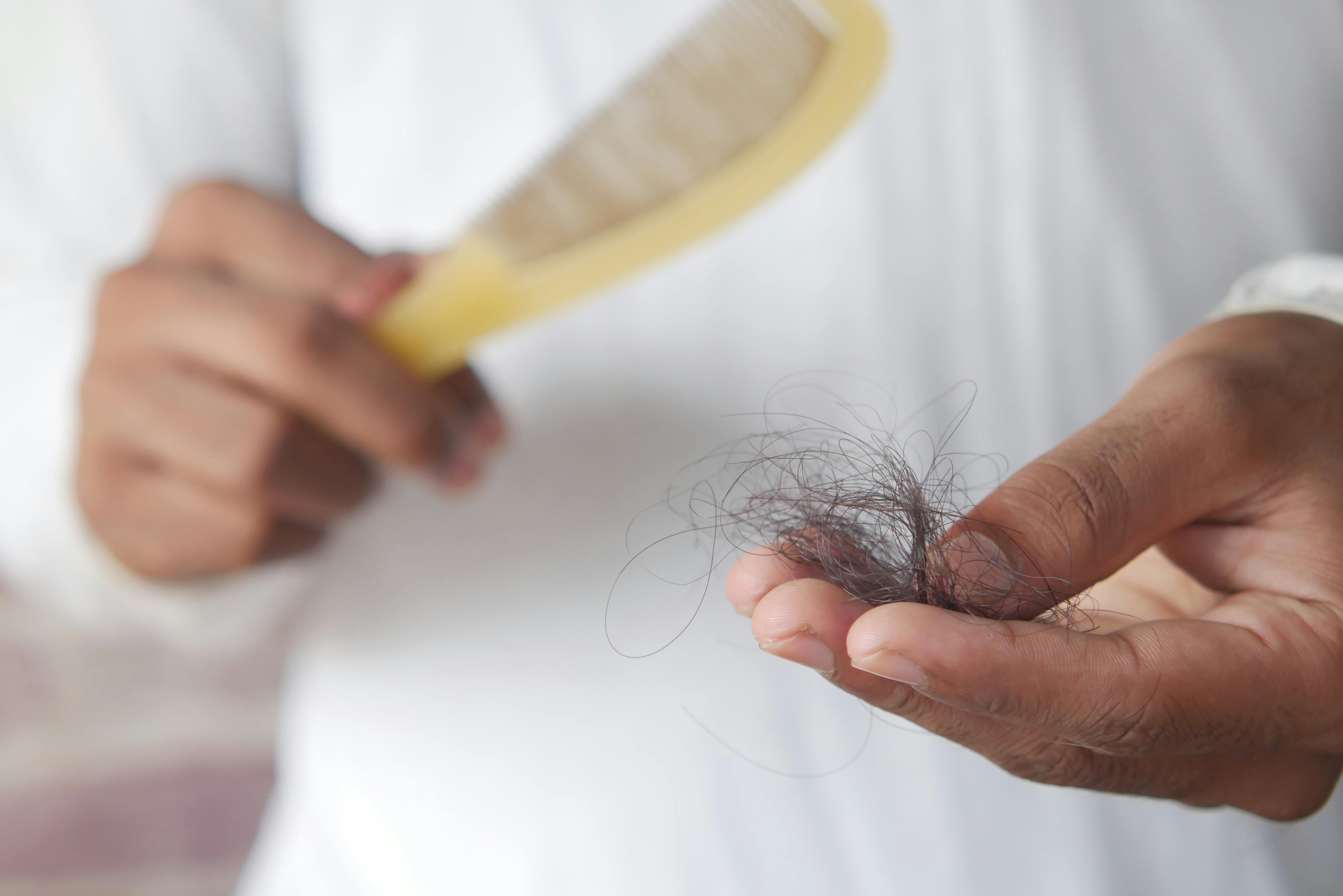
Finding more hair than usual on your pillow, in the shower drain or on your comb can be worrying. While some amount of hair shedding is normal, a noticeable increase in hair fall can sometimes signal an underlying problem. Hair loss can happen for several reasons, including genetics, hormonal changes, stress, illness, certain medications and nutritional deficiencies. When the body does not receive adequate amounts of essential nutrients, the normal hair growth cycle may be affected because hair follicles require sufficient nutrition to maintain healthy growth. According to Dr Shareefa Chause, Dermatologist, Mumbai, nutritional deficiencies can be one of several factors contributing to hair shedding, but identifying the underlying cause is important before starting supplements. Here are some nutrient deficiencies that may be associated with increased hair fall.
1. Iron Deficiency
Iron deficiency is one of the nutritional factors commonly considered when evaluating increased hair shedding. Iron plays an important role in the production of haemoglobin, which helps carry oxygen throughout the body. Low iron stores may be associated with increased hair shedding in some people. People who have heavy menstrual bleeding, inadequate dietary iron intake or certain medical conditions may be at greater risk of iron deficiency. However, hair loss alone does not confirm that iron deficiency is the cause. A doctor may recommend blood tests to assess iron status when appropriate.
2. Vitamin D Deficiency
Vitamin D has several roles in the body, and its potential relationship with hair health has been studied. Low vitamin D levels have been associated with certain types of hair loss. However, an association does not necessarily mean that vitamin D deficiency is directly responsible for an individual's hair loss. If you are experiencing persistent shedding, testing may be considered based on your symptoms and medical history rather than assuming that vitamin D is the cause.
3. Vitamin B12 Deficiency
Vitamin B12 is important for healthy red blood cell formation and normal cell function. Because hair follicles contain cells that undergo rapid division, severe nutritional deficiencies that affect normal cell production can potentially influence hair growth. People following restrictive diets, particularly those that exclude animal products, may be at higher risk of vitamin B12 deficiency. However, B12 supplementation should ideally be based on an identified deficiency or medical recommendation.
4. Folate Deficiency
Folate, or vitamin B9, is another nutrient involved in DNA synthesis and normal cell division. Hair follicles are among the body's tissues with active cell turnover. Severe nutritional deficiencies can therefore affect normal hair growth. A balanced diet containing leafy green vegetables, pulses, beans and other folate-rich foods can help support adequate intake.
5. Zinc Deficiency
Zinc contributes to several biological processes, including immune function, protein synthesis and cell division. A significant zinc deficiency may be associated with hair shedding and changes in hair quality. However, taking high-dose zinc supplements without medical advice is not recommended. Excessive zinc intake can interfere with the absorption of other nutrients and cause health problems.
6. Inadequate Protein Intake
Protein is not a vitamin or mineral, but it is an important nutritional factor for healthy hair. Hair is primarily made up of keratin, a structural protein. Inadequate protein intake, particularly when combined with restrictive dieting or rapid weight loss, may affect the hair growth cycle and contribute to increased shedding. People attempting to lose weight should therefore avoid excessively restrictive diets and ensure that their overall diet provides adequate protein and other essential nutrients.
Should You Take Supplements For Hair Loss?
One of the biggest mistakes people make when experiencing hair fall is starting multiple supplements without finding out why their hair is shedding. "Taking supplements without confirming a deficiency is not advisable. Excessive intake of some nutrients can itself cause health problems and, in certain cases, worsen hair loss," Dr Chause said. For example, taking nutrients that your body does not need does not necessarily improve hair growth. In some cases, excessive supplementation can create additional nutritional imbalances. A dermatologist or physician can assess your symptoms, diet, medical history and pattern of hair loss and decide whether blood tests are appropriate.
When Should You See A Dermatologist?
Not every episode of hair shedding is caused by a nutritional deficiency. Sudden or persistent hair loss can also be linked to stress, recent illness, hormonal changes, thyroid disorders, medications, genetic hair loss and several scalp conditions. Seek medical advice if you notice:
- Sudden or rapidly increasing hair loss
- Noticeable thinning or widening of the hair part
- Bald patches
- Significant scalp itching, scaling or inflammation
- Hair loss following a major illness or rapid weight loss
- Persistent shedding despite improving your diet
The earlier the underlying cause is identified, the sooner appropriate treatment can be started. Iron, vitamin D, vitamin B12, folate and zinc are among the nutrients that may be relevant when evaluating hair loss, while adequate protein is also important for normal hair growth. But a deficiency is only one possible explanation. Instead of immediately reaching for hair supplements, focus on a balanced diet and seek medical evaluation if your hair loss is persistent, sudden or worsening. Finding the cause is more important than simply treating the symptom.
Disclaimer: This content including advice provides generic information only. It is in no way a substitute for a qualified medical opinion. Always consult a specialist or your own doctor for more information. NDTV does not claim responsibility for this information.