

)
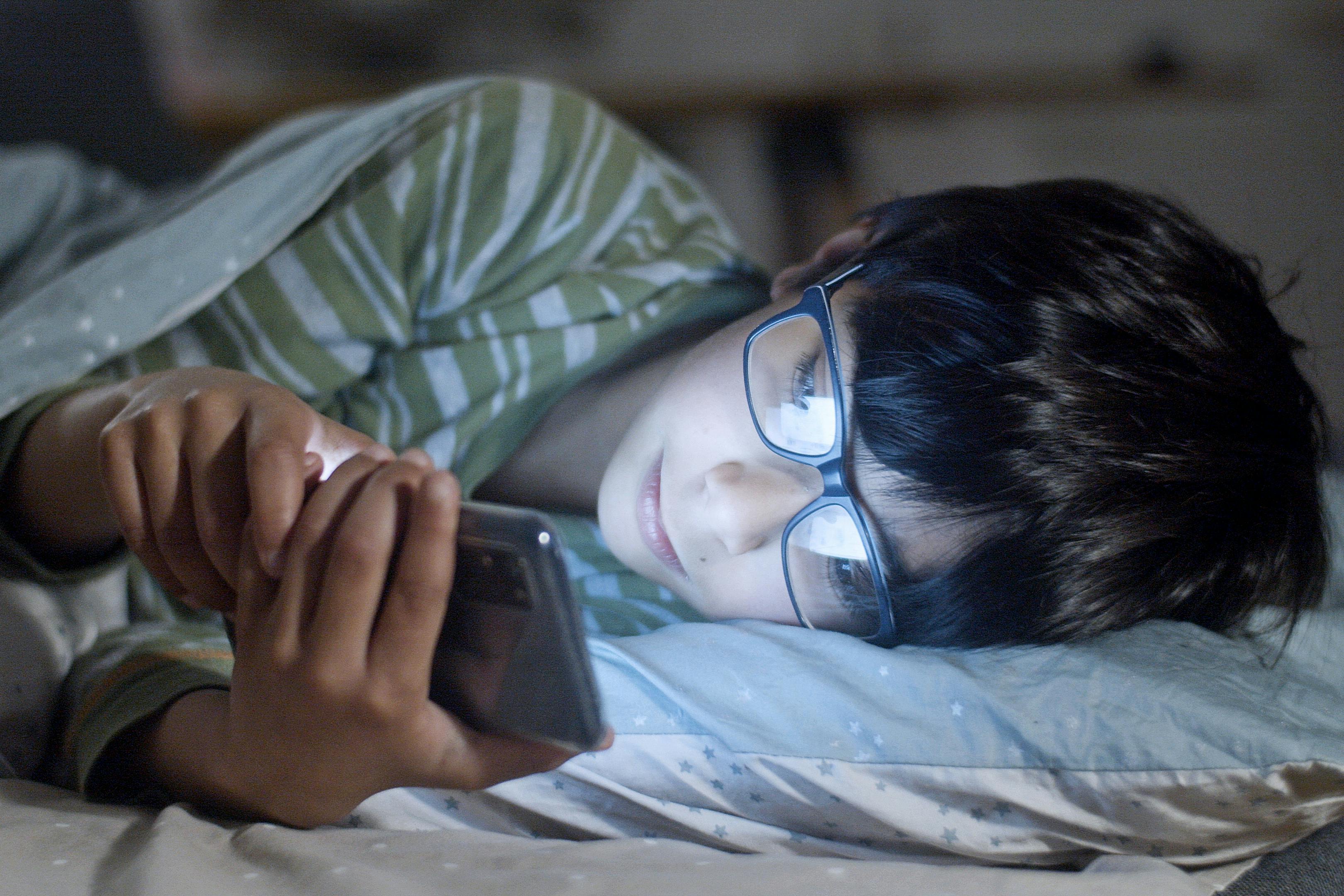
Smartphone usage by children is a growing health concern as age has become no bar for phone use. Be it playing games or watching videos, the use of smartphones by young children is changing their brain functions. A developing brain needs a conducive environment wherein it is creatively challenged, intellectually stimulated, and developed, as curiosity is necessary to build mental resilience in children. The age at which smartphones are introduced to children needs to be carefully selected by parents, as it could change the fundamental structure of their brain.
From an increase in screen dependency to performing basic tasks, the change in the brain has been mapped in clinical research. Recently, a new study published in the Journal of Paediatrics has pinpointed that early screen exposure in children can impact their intelligence and cause issues with their memory.
What Did The Study Find?
The study has indicated that when children receive smartphones at a young age, their brain function is negatively impacted. From low scores in memory and reduced cognitive performance to poorer performance at school, the impact of early screen exposure needs to be taken seriously.
The World Health Organization (WHO) and the American Academy of Paediatrics recommend no screen time before 18-24 months and less than one hour per day for children ages 2 to 5.
The study looked at a cohort of 502 children whose online smartphone usage was tracked from infancy through middle childhood.
How Can Excessive Screen Time Affect A Child's Brain?
Early exposure to smartphones can affect developing brains, as instead of having real-world interactions with their friends, family, and teachers, a majority of their time is spent online. When the relationship to digital devices tends to override normal human interaction, then overdependence can affect the brain negatively.
The direct impact can be measured on the following aspects:
- Attention span
- Memory formation
- Problem-solving skills
- Language development
Why Memory And Learning Skills Matter During Childhood
A child's cognitive development depends on memory retention and development of learning skills, which allows children to process information. Be it reading, solving problems, or focusing on a class lesson, the ability of the brain to function at its developing stage depends on the environment it is exposed to. If the memory of the child is compromised, then their academic performance can suffer, and they will face issues with retaining information.
How Early Smartphone Use May Affect Academic Performance
The main reasons behind early smartphone use and academic performance are the following:
- Increased distractions
- Reduced reading time
- Sleep disruption
- Social media dependence
- Multitasking overload
Are All Screens Harmful?
No, certain digital learning tools that are used by teachers can enhance memory retention. The audio-visual format of digital tools makes them sought after to teach children who are easily distracted, but the problem arises when children become totally dependent on them to function. Even withdrawal symptoms with changes in behaviour can make parents, teachers and caretakers stick to smartphone use, but the problem arises with their memory and academic performance. Then most people course-correct, but it is difficult to do so.
Passive screen use is the form of these habits that can damage the brain's structure:
- Endless scrolling
- Short-form videos
- Excessive gaming
- Social media overuse
Warning Signs Your Child May Be Spending Too Much Time On Screens
If your child is spending too much time on screens, then they can suffer from these signs:
- Difficulty concentrating
- Forgetfulness
- Declining grades
- Irritability without devices
- Reduced physical activity
- Sleep problems
- Less interest in hobbies
How Much Screen Time Is Too Much?
The exact measurement of screen time and classifying it as excessive depends on the age of the smartphone user and its interference with normal daily activities.
Can The Effects Be Reversed?
The effects of early screen exposure in children can't be reversed but controlled. There are clear benefits to reducing screen time, as the brain needs to develop before it is hooked on dopamine from a smartphone.
Children need to exercise, sleep as per their age and physical activity levels, engage in social interactions, and read for their brain to develop.
Smartphones aren't harmful, but they can cause overdependence, which can cause health issues in children. Early digital habits are enforced by parents, caretakers, and teachers and can influence their relationship with digital screen usage. If children are introduced to digital learning tools in a balanced form and their usage is controlled, then overdependence can be avoided.
Also Read: Can Digital Overload Change The Way The Brain Functions?
Disclaimer: This content including advice provides generic information only. It is in no way a substitute for a qualified medical opinion. Always consult a specialist or your own doctor for more information. NDTV does not claim responsibility for this information.