

)
You might link the word detox to problematic cleanses, supplements, or crash diets. However, from a medical standpoint, the body already has an in-built detoxification system and the kidneys are central to it. For Indian households, especially during winter when thirst signals drop and fluid intake reduces, understanding how hydration supports kidney detox becomes even more important. Research consistently shows that adequate hydration plays a foundational role in helping kidneys filter waste, balance electrolytes, and remove toxins efficiently.
While hydration alone is not a “magic detox,” it is one of the most evidence-backed and safest ways to support kidney health. When hydration levels are adequate, kidneys can efficiently dilute urine, flush toxins, and prevent waste accumulation. Winter drinks that are hydrating, low in added sugar, and rich in antioxidants or mild diuretics can support kidney function indirectly. However, they should complement not replace plain water intake. Below are kidney-friendly winter drinks explained in simple, practical terms.
Hydrating winter drinks to assist your kidneys in detoxifying your body
1. Warm water
The simplest and most underrated option. Warm water improves circulation, supports digestion, and keeps urine diluted, making it easier for kidneys to flush waste. Studies on hydration and renal health consistently show that adequate daily water intake lowers the risk of kidney stone formation and supports toxin elimination. Sipping warm water in winter makes hydration easier for people who avoid cold fluids.
2. Jeera water
Jeera water acts as a mild diuretic, encouraging urine output without stressing the kidneys. Cumin contains antioxidants that help reduce oxidative stress, which can damage kidney tissues over time. Traditional use aligns with research showing that plant-based antioxidants support renal cellular health.
3. Barley water
Barley water has long been recommended in clinical nutrition for kidney stone prevention. It helps dilute urine and reduce calcium accumulation. Research on whole grains suggests that barley's beta-glucans also support metabolic health, indirectly reducing kidney workload linked to blood sugar fluctuations.
4. Lemon water
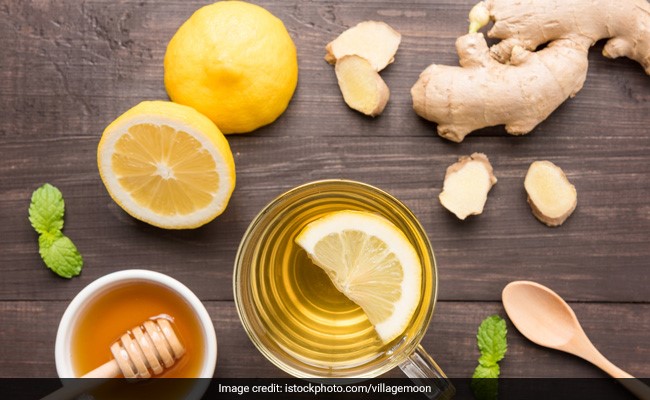
Lemon contains citrate, a compound known to reduce kidney stone risk by preventing calcium from binding with other waste compounds. Studies on urinary citrate levels show improved stone prevention with citrus intake. Warm lemon water in winter supports hydration while being gentle on digestion.
5. Herbal tea
Caffeine-free herbal teas contribute to daily fluid intake without dehydrating effects. Tulsi has antioxidant and anti-inflammatory properties, while chamomile supports relaxation and sleep, both important for kidney recovery and hormonal balance that affects renal function.
6. Ginger tea
Ginger improves circulation and has anti-inflammatory effects. Chronic inflammation is linked to progressive kidney damage, according to renal health studies. Ginger tea supports hydration while potentially reducing inflammatory load on the kidneys.
7. Amla water
Amla or Indian gooseberry is rich in vitamin C and polyphenols. Research highlights its antioxidant role in reducing oxidative stress, a key factor in kidney aging and dysfunction. Amla water supports hydration while protecting kidney cells from free radical damage.
8. Vegetable broth
Homemade vegetable broth provides hydration, minerals, and warmth making it ideal for winter. Unlike packaged soups, low-sodium broths support kidney function without causing fluid retention or blood pressure spikes, which can stress the kidneys.
Hydration alone does not perform detoxification, but it is non-negotiable for the kidneys to do their job effectively. Scientific evidence clearly supports that adequate fluid intake improves waste removal, reduces kidney stone risk, and protects long-term renal health. In winter, warm and natural hydrating drinks can make meeting hydration needs easier while offering added antioxidant and anti-inflammatory benefits.
Disclaimer: This content including advice provides generic information only. It is in no way a substitute for a qualified medical opinion. Always consult a specialist or your doctor for more information. NDTV does not claim responsibility for this information.
References
Water Intake and Kidney Function, National Institute of Diabetes and Digestive and Kidney Diseases (NIH), 2018
Hydration and Renal Health, Centers for Disease Control and Prevention (CDC), 2020
Role of Citrate in Kidney Stone Prevention, National Kidney Foundation (NIH), 2019
Antioxidants and Kidney Protection, National Center for Biotechnology Information (NCBI), 2021
Dietary Fluid Intake and Kidney Stone Risk, American Journal of Kidney Diseases (NIH), 2017
Electrolyte Balance and Renal Function, World Health Organization (WHO), 2016
Oxidative Stress in Chronic Kidney Disease, Indian Journal of Nephrology (Indian Medical Association), 2020