

)
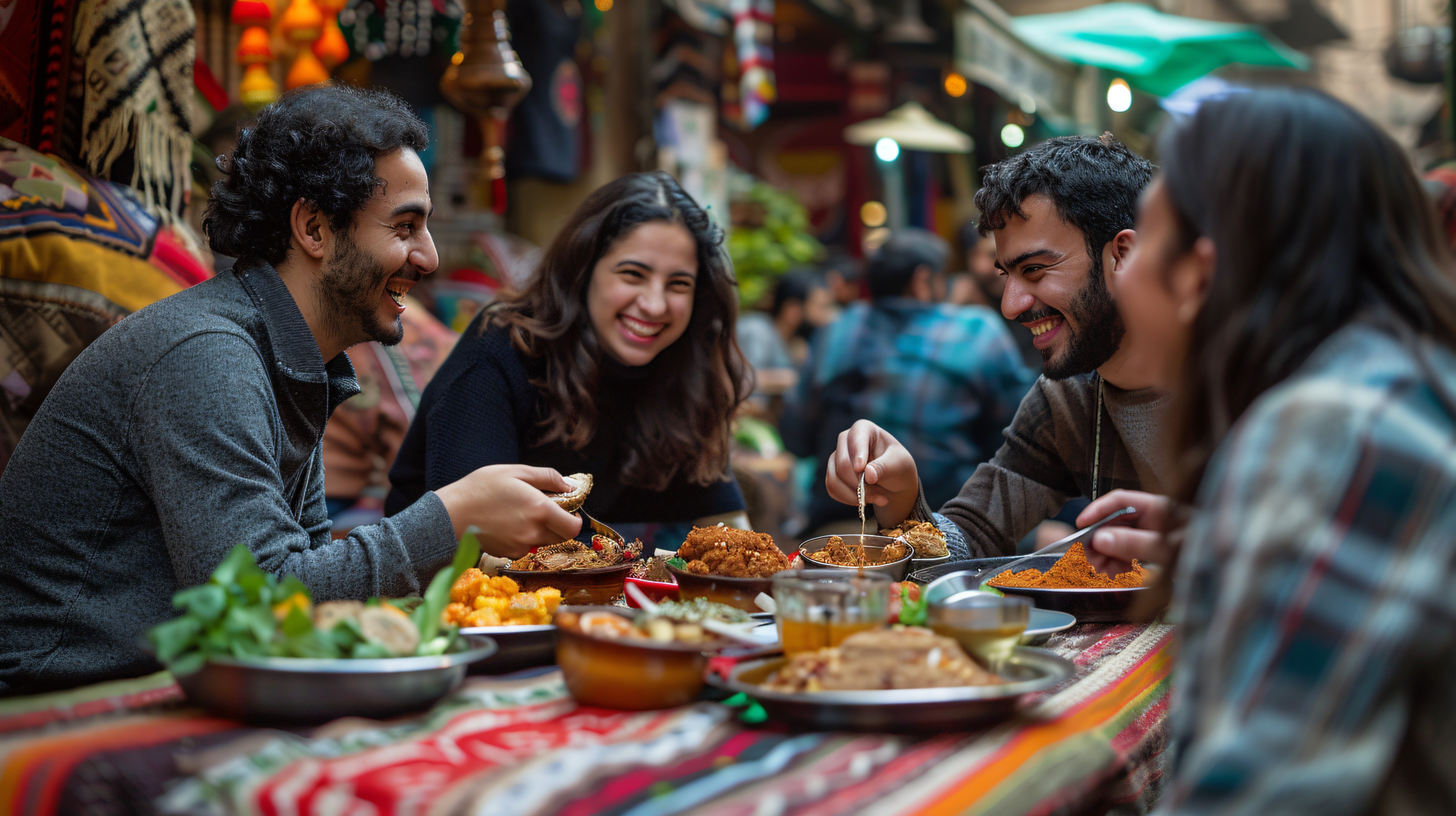
The Christmas-New Year festive season is synonymous with parties, indulgent meals and packed social calendars. While celebrations bring joy, they also push the digestive system into overdrive. Overeating, erratic meal timings, excess alcohol and lack of sleep can collectively place significant metabolic and inflammatory stress on the gut, often resulting in bloating, acidity, sluggishness and frequent infections soon after the holidays.
Doctors increasingly emphasise that gut health is not just about avoiding stomach discomfort. The gut is a complex ecosystem that plays a central role in immunity, metabolism and even mood regulation. According to medical research, nearly 70 per cent of the body's immune system is housed in the gut-associated lymphoid tissue (GALT), making the digestive tract a critical frontline defence against infections. Disrupting this system during the festive season can weaken immunity at a time when exposure to seasonal viruses is already high.
To tackle this situation, Dr. Uday Nagesh Shivaji, Senior Consultant and Clinical Lead, Medical Gastroenterology, Narayana Health City, Bengaluru, shares how festive habits affect gut and immune health, with practical, easy-to-follow guidance, and how to enjoy celebrations without compromising long-term health.
Why The Gut Suffers During Festive Season
Dr. Uday explains that excessive intake of refined sugars, processed foods and irregular eating patterns can disturb the delicate balance of gut bacteria. "A healthy gut hosts a diverse and balanced community of trillions of microorganisms," he says. When beneficial bacteria such as Lactobacillus and Bifidobacterium dominate, a state known as eubiosis, they help keep harmful microbes in check. Poor dietary habits, however, promote dysbiosis, increasing inflammation and digestive discomfort.
Scientific studies published by the National Institutes of Health (NIH) show that disruptions in gut microbiota are linked to weakened immune responses, higher infection risk and metabolic problems.
Also Read: Year-End Party Season May Increase Your Heart Attack Risks, Doctor Warns
The Gut Protocol: What To Do Before A Party
Dr. Uday cautions against arriving at parties hungry. "Skipping meals or saving calories before a celebration often backfires," he says. Being overly hungry leads to faster eating and overconsumption of calorie-dense foods, stressing digestion.
Doctor-approved pre-load strategy:
- Eat a small, protein-rich snack an hour before a party
- Options include almonds, a hard-boiled egg or plain curd
- This slows eating pace and reduces gut overload
- Hydration is equally important. Dr. Uday recommends sipping fennel or mint water before social events. These natural carminatives aid digestion and reduce bloating.
- Since alcohol promotes dehydration, he advises following the 'one-for-one rule', for every alcoholic drink, have one glass of water.
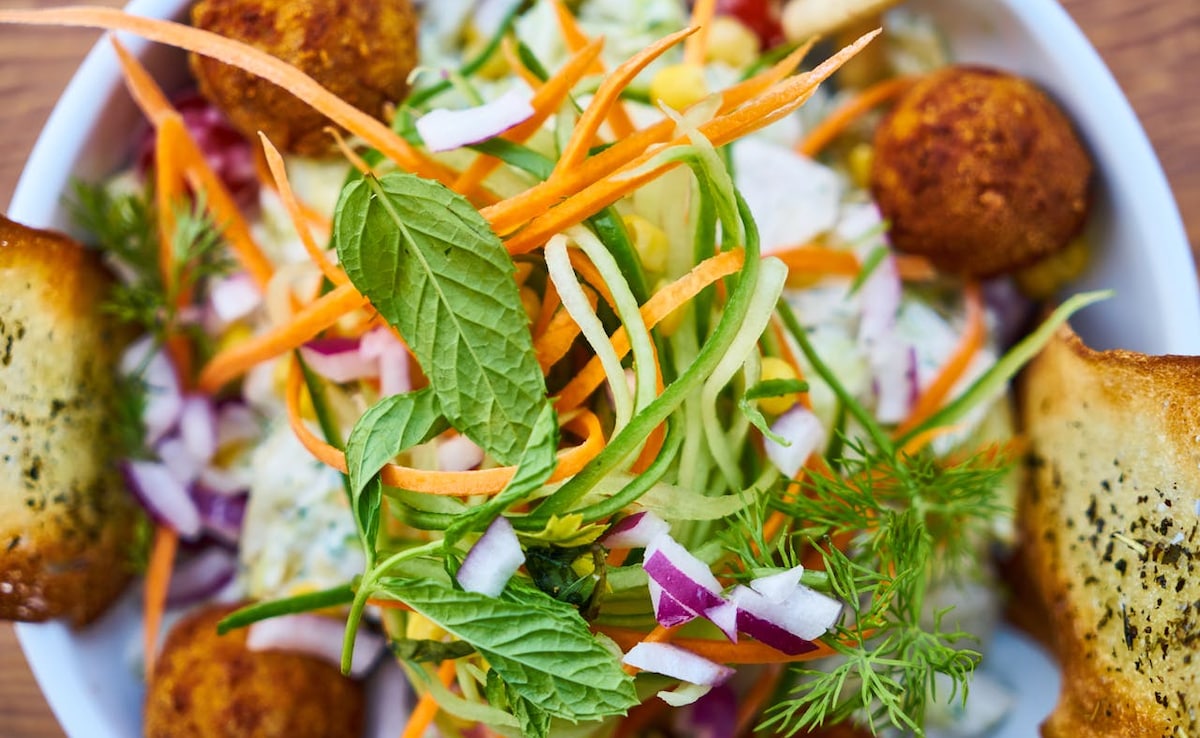
Salads are a good way to add fibre to your diet
Photo Credit: Pexels
Balancing The Plate, Not Just The Calories
Instead of focusing only on portion control, Dr. Uday stresses plate balance. "Before reaching for fried snacks or syrupy desserts, ensure half your plate is filled with fibre-rich foods," he says.
Why fibre matters:
- Slows absorption of fats and sugars
- Adds bulk to stool and improves bowel movements
- Reduces toxin retention in the colon
Research published in The Lancet highlights that high-fibre diets are associated with better gut health, improved metabolic markers and reduced inflammation.
Why Eating Slowly Protects Your Gut
"Digestion formally begins in the mouth," Dr. Uday notes. Eating too fast delays satiety signals, leading to overeating and post-meal discomfort. Studies show slow eaters are up to 42 per cent less likely to be obese.
Simple mindful-eating tips:
- Put cutlery down between bites
- Chew thoroughly
- Pause eating while talking
These habits lower calorie intake and ease digestive strain.
Also Read: Post-Party Anxiety Is Real: Doctor Explains Hangxiety, Shares Tips To Manage It
The Gut-Immunity Connection
Dr. Uday calls the gut an "immunity fortress." Poor sleep, stress and inactivity can weaken this defence. "Festive late nights impair immune function because quality sleep is when the body releases infection-fighting cytokines," he explains. The World Health Organization (WHO) recommends 7-8 hours of sleep for optimal immune health.
Stress management is equally critical. Elevated cortisol levels suppress immunity. Simple daily mindfulness or deep-breathing exercises for 10 minutes can help counter this effect.

Be mindful of what and how much you are eating
Photo Credit: Pexels
Post-Meal Movement Matters
Resisting the urge to lie down after a heavy meal is key. Dr. Uday advises a gentle 15-minute walk after festive meals. This improves gut motility, reduces bloating and enhances blood circulation, helping immune cells function efficiently.
Festivals are meant to be enjoyed, not endured. By respecting the powerful gut-immunity connection, it is possible to indulge mindfully without paying for it later with bloating, fatigue or illness. Simple habits, balanced meals, hydration, slow eating, quality sleep and gentle movement, can help protect digestive health and immunity throughout the festive season. As Dr. Uday puts it, "A good gut is quiet, efficient, and silently works as your body's strongest line of defence."
Disclaimer: This content including advice provides generic information only. It is in no way a substitute for a qualified medical opinion. Always consult a specialist or your own doctor for more information. NDTV does not claim responsibility for this information.