

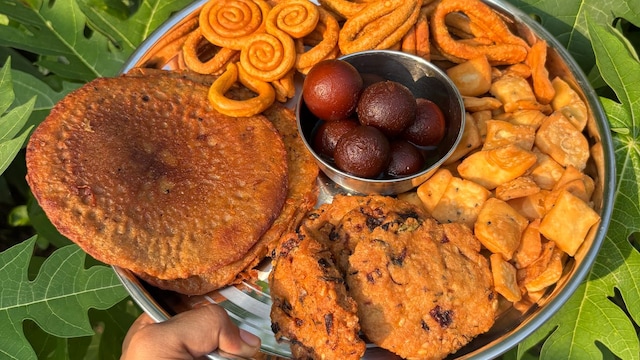
Festive eating changes the composition of our meals in ways that have a direct bearing on digestive health. A typical festive spread often includes fried snacks, rich gravies, sweets, refined flour preparations and elaborate meals served over several hours. At the same time, everyday sources of dietary fibre, including whole grains, vegetables, fruits and pulses, tend to occupy less space on the plate. Over a few days, this change can affect bowel movements, digestion and the microbial environment of the intestine.
The gut responds to the composition of food throughout the day. Dietary fat, fibre, water and meal size each influence different stages of digestion. When meals become consistently richer and fibre intake falls, the digestive system has to adapt to a different pattern of nutrient intake.
Fried foods bring a substantial amount of fat into the digestive process. Fat stimulates the release of digestive hormones and influences the movement of food through the stomach. Large, high fat meals can prolong the sensation of fullness and contribute to bloating, belching, acidity and reflux, particularly in people who already experience these symptoms. A festive meal followed by sweets and late-night snacking can extend this digestive workload well into the night.
The quantity of food also matters. A large meal increases the volume of stomach contents and can encourage reflux, especially when a person reclines soon after eating. Research examining festive meals has found greater digestive discomfort and a stronger sensation of fullness following high calorie meals. The overall energy content and portion size therefore deserve as much attention as the individual ingredients.
What happens when fibre disappears from the plate?
Dietary fibre performs several functions that are central to intestinal health. It bulks up stool, promotes regularity, and feeds good gut bacteria. Whole grains, lentils, chickpeas, vegetables, fruits, nuts and seeds supply different types of fibre, each contributing to digestive function.
But in the case of fiber being lower from what is recommended for a couple of days holidays, then it affects the stool consistency and amount to be passed. Bowel movements may become less frequent, and constipation can follow, particularly when reduced fibre intake coincides with inadequate water consumption and less physical activity.
Fiber is also needed by the microbiome of the gut. Some gut bacteria will ferment on-dietary fibers generating short chain fatty acids (SCFAs): butyrate, acetate and propionate.They are the supporting cells of the lining of the colon and the intestinal barrier and metabolic and immune regulators.
This relationship explains why fibre serves a purpose beyond keeping bowel movements regular. It helps maintain an intestinal environment in which beneficial microorganisms can thrive. A diet dominated by refined carbohydrates and fried preparations, with limited plant-based foods, provides considerably less of this microbial nourishment.
READ | "Be Gut Smart," Cardiologist Shares Tips To Keep Digestion Healthy During The Festive Season
Why the festive routine matters as much as the food
Digestion follows daily biological rhythms. When we eat, sleep, and exercise affects our gastrointestinal motility, the smooth, rhythmic contractions of our gastrointestinal smooth muscle that move food through our digestive tract. Festivities often bring late dinners, prolonged sitting, irregular sleep and eating at intervals that differ considerably from the usual routine.
These changes can influence bowel habits and aggravate symptoms in people with irritable bowel syndrome, gastroesophageal reflux disease and functional dyspepsia. People with existing digestive conditions may also have individual food triggers that become more apparent when meals are larger and more varied.
Another factor is hydration. Fiber is helpful in forming stools and absorbing water. Not drinking enough water (e.g. on a long celebration or holiday) can begin to compound the effects of constipation.
Alcohol and excess caffeine can also disturb hydration and exacerbate reflux in some.
How can the gut remain comfortable through the festive season?
Food for holidays and consistency with eating each day. A few of these can actually make a difference with practical change.
- Include a serving of vegetables with lunch and dinner, alongside the richer festive preparations.
- Include whole grains, dals, beans and seasonal fruits in your daily diet to obtain adequate dietary fiber.
- Drink water regularly throughout the day, particularly when eating salty snacks and travelling.
- Keep portions manageable and allow sufficient time between successive meals.
- Take a short walk after eating and maintain regular physical activity to support intestinal movement.
- Allow time for digestion before going to bed, particularly after a substantial dinner.
Similarly, an individual who consumes a low-fiber diet should slowly increase his or her fiber intake. In people with sensitive digestive tracts, a sudden increase in fiber can cause bloating and gas. This is medical advice, not diet advice, especially if you have persistent symptoms!
READ | Bloating After Celebrations? Nutritionist Recommends This Simple Fibre Hack
Recognising when digestive symptoms need attention
Feeling full may be accompanied by irregular bowel movements. See your doctor if you have any of the following symptoms persisting for more than several days: stomach pain, repeated vomiting, difficulty swallowing, bloody stools, unexplained weight loss, and a change in bowel habits. Such symptoms require an assessment of their underlying cause.
Festive food is closely associated with family traditions, regional cuisines and shared experiences. Enjoying these meals can coexist with a diet that supports digestive health. The most useful approach is to preserve the variety of everyday Indian food traditions, particularly the combination of grains, pulses, vegetables and fruits, even when festive preparations take centre stage.
The health of the gut reflects the cumulative effect of daily food choices. A few celebratory meals form part of a much larger dietary pattern. Maintaining fibre intake, drinking adequate water, eating at reasonable intervals and staying physically active help the digestive system manage seasonal changes while supporting the intestinal environment over the longer term.
(By Dr. Jata Shankar Kumar, Consultant - Gastroenterology at Prayag Hospitals)
Disclaimer: The opinions expressed within this article are the personal opinions of the author. NDTV is not responsible for the accuracy, completeness, suitability, or validity of any information on this article. All information is provided on an as-is basis. The information, facts or opinions appearing in the article do not reflect the views of NDTV and NDTV does not assume any responsibility or liability for the same.