

)
Fibre is an important part of a healthy diet, but many are not getting enough of it every day. Most adults eat far less fibre than their body needs.
Gastroenterologist Dr Saurabh Sethi points out that most people get around 15 grams of fibre a day, but adults generally need about 25 to 38 grams.
If you are trying to eat more fibre, it is important to know what you should avoid. Here are some mistakes that Dr Sethi says people should watch out for when increasing their intake.
On Instagram, the health expert explains, “Continuing a fibre routine even when your symptoms are getting worse - Worsening symptoms aren't a sign to push through - they're a sign your gut needs a different approach entirely. Ignoring the type of fibre you're eating - Soluble fibre (oats, psyllium) dissolves and slows digestion - great for diarrhoea and cholesterol. Insoluble fibre (wheat bran, veggie skins) adds bulk - better for constipation. Use the wrong one for your symptoms and it can backfire.”
“Eating all your fibre in one sitting instead of spacing it out - Your gut processes fibre best in smaller doses spread across the day, not one large hit that overwhelms it at once. Jumping from low fibre to high fibre overnight - Your gut bacteria need time to adjust. I recommend increasing fibre by no more than 5g every few days - not going from 15g to 35g overnight.”
“Eating a huge fibre-rich meal without enough water - Fiber absorbs water like a sponge as it moves through your gut. Without enough fluid, it does the opposite of what you want - bloating and constipation instead of relief.”
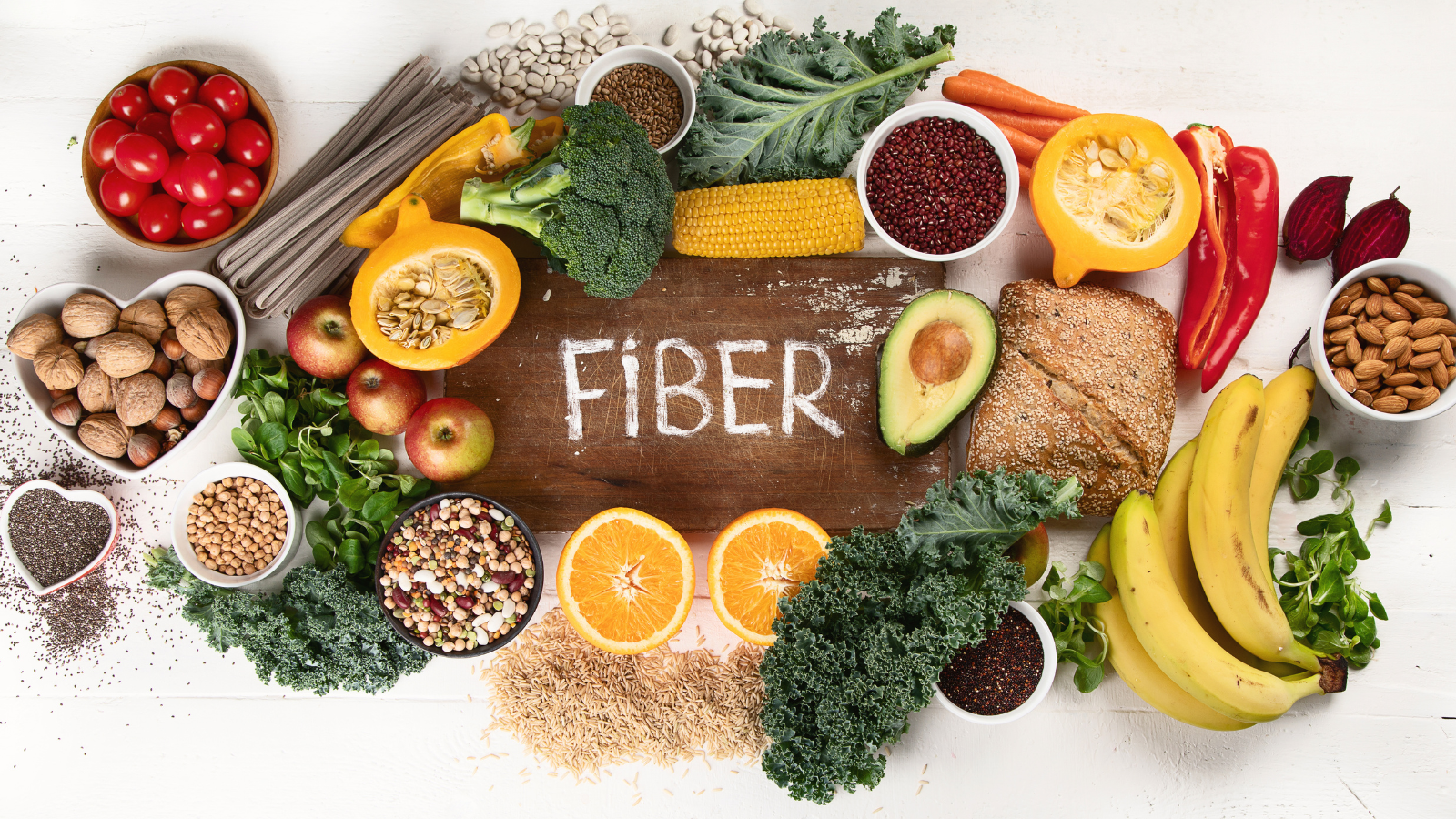
According to Healthline, one should increase the fibre intake slowly. A sudden increase can cause stomach problems. One easy way to start is by choosing fruits such as apples and pears instead of fruit juices. You can also replace white rice, white bread and regular pasta with whole grain options.
For snacks, try vegetables instead of junk food, and add beans or lentils in your meals. Chia seeds can also be a good option when making cereal, smoothies or salads. Along with eating more fibre, drinking enough water is also important.
Disclaimer: This content including advice provides generic information only. It is in no way a substitute for a qualified medical opinion. Always consult a specialist or your own doctor for more information. NDTV does not claim responsibility for this information.