

)
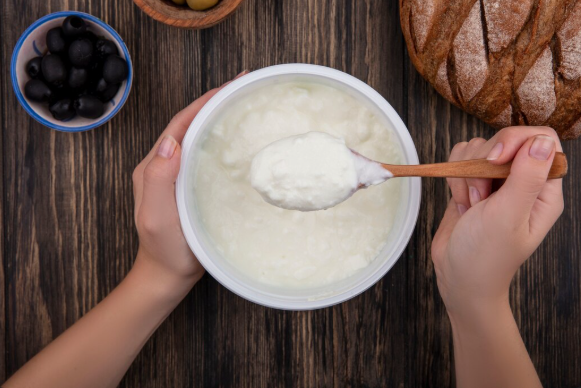
Dahi is a staple in Indian households as it contains probiotics that nourish the gut. But most people are unaware that the protein in dahi can also help them. Be it for muscle maintenance, fullness, immunity, or overall health, dahi should be a part of your daily diet. When it comes to the exact dose of protein that is present in dahi, that could help you varies based on the type of dahi you are opting for. If you are consuming homemade dahi, then the concentration of protein differs, while the packaged version has different protein levels depending on how it is made.
In India, most people are deficient in protein and require daily consistent doses of it to make up for nutritional requirements for optimum health. Dahi consumption is one such way to get it, but balancing your overall intake of protein-rich foods is necessary for complete protein levels.
How Much Protein Is There In 100g Of Dahi?
According to the Indian Council of Medical Research (ICMR) and National Institute of Nutrition(NIN), established dietary guidelines and classification of protein in different types of foods, 100g of dahi contains the following protein levels:
3.1-3.5 g of protein per 100 g when the dahi is homemade and set in a terracotta vessel for optimum fermentation levels.
The milk that is used to prepare the dahi can also influence the protein level in the dahi, and exactly how it is prepared also affects the protein levels.
The exact protein quotient of 100g of dahi provides about 6-8% of the daily protein requirement for an average 60 kg adult.
While dahi is not categorised as a high-protein food, it contains other nutritional components that make it a must-have. Namely, calcium and probiotics in dahi can support your gut in a foundational manner, which is why consuming it is necessary.
Nutrition Profile Of 100 g Of Dahi
- Protein: 3.1 g
- Calcium: 149 mg
- Fat: 4.0 g
- Phosphorus: 93 mg
- Riboflavin or Vitamin B2:0.19 mg
- Magnesium: 13 mg
Why Is Dahi Considered A Good Source Of Protein?
Dahi is considered a high-quality source of protein, even though the nutritional value may seem minimal. Those who are looking to optimize their nutrition and make themselves healthier should try to switch to dahi that is prepared with A2 cow milk, as it can be easily digested, as well as provide a higher protein dose in the dahi that is prepared from toned cow milk.
Specifically, the proteins present in dahi are casein and whey protein. About 80% of casein and 20% of whey protein in dahi present in dahi break down into smaller peptides and amino acids that make it easier to digest.
The protein in dahi can actively help support the repair of muscles and is beneficial for those who are looking for a post-workout healthy breakfast option.
What Happens To Your Body When You Eat Dahi Daily?
When you eat dahi daily, the beneficial health benefits can nourish your gut and improve your digestive function. Alongside the normal dose of probiotics, dahi contains high-quality protein that helps make the body's immunity better and increases its nutrient absorption capabilities. Here is what exactly happens when you consume dahi regularly:
- Supports muscle maintenance as it can aid in muscle repair.
- Helps keep you full longer and helps regulate your cravings that can increase your weight.
- May support weight management, which is needed for better long-term health.
- Contributes to bone health with its calcium quotient.
- Benefits gut health through probiotics and helps break down food in an easier manner.
What Is The Best Time To Eat Dahi For Better Protein Absorption?
When it comes to the ideal time for dahi consumption to better absorb the protein in it, you need to listen to your body and decide accordingly. Those who are suited to dahi consumption in the morning should take it in the morning.
In the morning, your gut can readily accept the health benefits of dahi compared to when people consume the same bowl of dahi after breakfast or in the afternoon.
- For post-workout recovery, dahi's protein level can help when it is paired with fruits, nuts, or seeds.
- During lunchtime, it is important to pair dahi with traditional Indian meals as they provide digestive support.
- When it comes to evening time, you can eat a bowl of dahi instead of indulging in unhealthy snacking.
Should You Eat Dahi Before Or After A Workout?
When it comes to the ideal time for muscle repair, especially after a workout, dahi should be consumed either before or after a workout. There is no fixed time or ideal time to eat dahi; it is versatile and can be eaten anytime. Pre-workout, it works on providing 25 g of protein before any kind of resistance exercise.
While for post-workout, dahi works on actively repairing muscles as they tend to become sore from physical exercises stress them out.
Does Eating Dahi At Night Affect Digestion?
While there are common myths associated with nighttime dahi consumption that need to be dispelled, you need to focus on actual nutritional science. Dahi is a probiotic that could benefit digestion if you are feeling iffy during nighttime, but if you have pre-existing illnesses or medical conditions that could become aggravated, then you need to avoid it.
Note: If you keep dahi refrigerated, then it may lose some of its nutritional value, but it is necessary to avoid bacterial growth or excess fermentation.
How To Increase The Protein Content Of Dahi
There are multiple ways to increase the protein content of dahi, which can increase its protein quantity and quality. Here are the ways smart additions can be made to your bowl of dahi:
- Chia seeds
- Flaxseeds
- Nuts
- Whey protein
- Paneer cubes
- Greek yogurt
Note: Please consult a nutritionist or dietician for the right dietary approach to dahi consumption.
Who Should Be Careful About Eating Too Much Dahi?
There are clear side effects if you consume too much dahi, as your body doesn't absorb the complete nutritional components in the staple. Those who have :
- A person with lactose intolerance can suffer from clear digestive discomfort.
- Those with a milk allergy tend to have an allergic reaction to too much dahi.
- High-calorie flavored yogurts can cause blood sugar spikes as they have too many added sugars.
- Excess added sugar in packaged products is a major concern for health risks.
Tips To Get More Protein From Dahi
You can increase the protein quantity of your dahi if you eat it homemade and with :
- Choose a thicker curd that has malai, as healthy fats are needed for better gut health.
- Pair with protein-rich foods to increase its nutritional value.
- Use dahi as a snack instead of sugary foods to help your body with its nutrient density.
- Include alongside balanced meals to make sure that your intake of protein is coming from animal as well as plant-based sources of protein.
About 100 gms of dahi can provide about 3-5 g of protein while also delivering probiotics as well as essential nutrients. But the key lies in regulating your dose of homemade dahi for maximum health benefits.
Also Read: Does Raw Paneer Contain More Protein Than Cooked?
Disclaimer: This content including advice provides generic information only. It is in no way a substitute for a qualified medical opinion. Always consult a specialist or your own doctor for more information. NDTV does not claim responsibility for this information.