

)
Protein powders were once thought to be only for bodybuilders. Today, almost everyone uses them to support overall health, thanks to the increased awareness around the importance of protein. As busy lifestyles make it harder to consume sufficient protein through whole foods alone, more people are looking for convenient ways to meet their protein needs, and protein powders offer a quick and easy solution. They can be added to smoothies, oatmeal, or even baked goods, making it simpler for individuals to reach their daily protein goals.
However, the protein powder market has seen a surge, raising concerns about the quality of the products available. Many protein powders on the market are found to be adulterated with low-quality or harmful ingredients. This can include excessive sweeteners, fillers, or even undeclared substances that can do more harm than good. Consequently, consumers need to scrutinise labels carefully before making a purchase.
When selecting a protein powder, here are some key ingredients to check for on the label
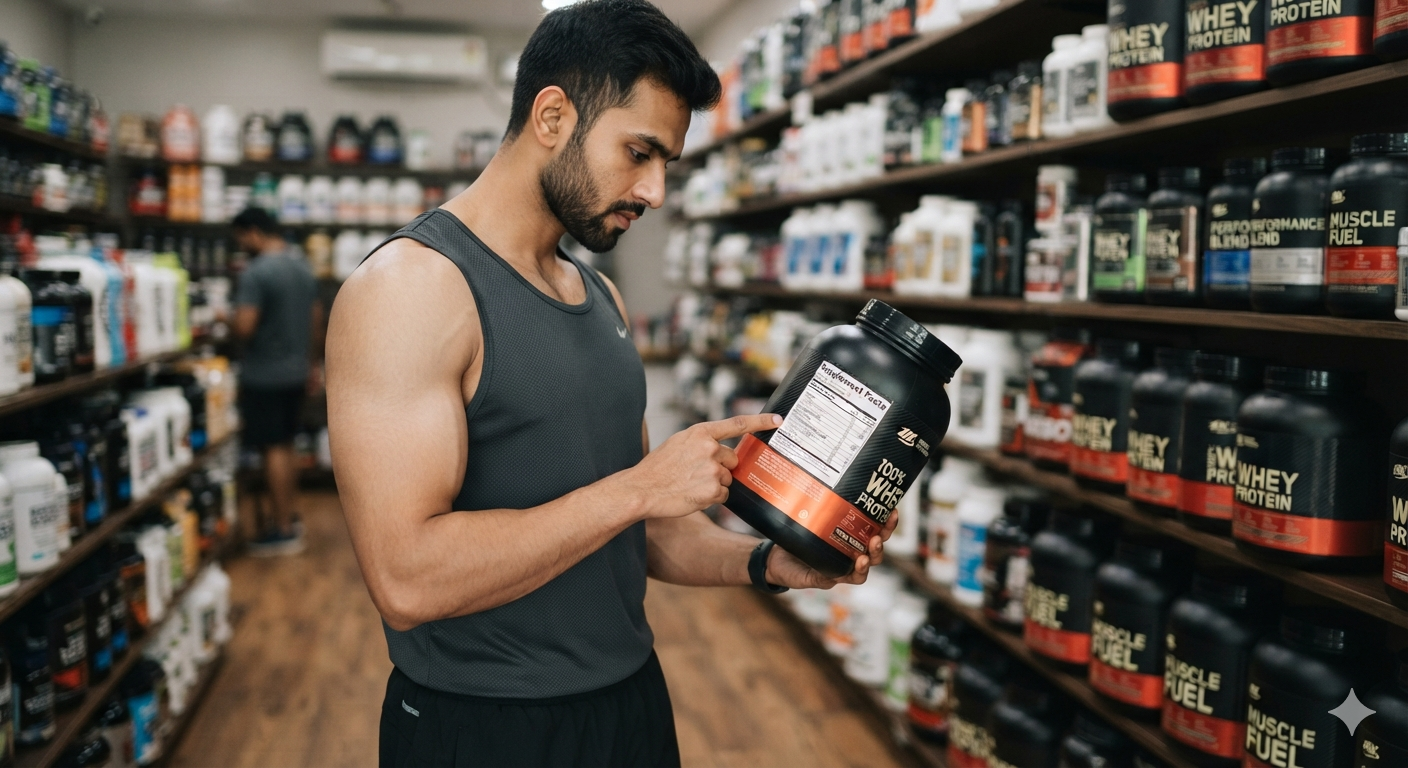
When buying protein powder, look for a high protein-per-serving ratio, minimal added sugars, and recognisable protein sources as your primary benchmarks. Reading the ingredient label closely helps you avoid cheap fillers, artificial additives, and marketing traps.
Here is an explicit breakdown of what to check on the label and how to select the best option for your goals:
1. Type of protein
Ingredients are listed by weight from highest to lowest. The very first ingredient must be a premium protein source. Look for powders that specify the protein source. Look for Whey Protein Isolate, which is fast-absorbing and of the highest purity or Whey Protein Concentrate that contains more whole-food nutrients but slightly higher fat or lactose.
2. Amino acid profile
A good protein powder should have a complete amino acid profile, containing essential amino acids necessary for muscle repair and growth. If you are buying a plant-based protein powder, look for a blend like pea, rice, hemp, or pumpkin seed protein to ensure you get a complete amino acid profile.
3. Additives and sugar
Watch out for artificial colours, sweeteners, and preservatives, as these can detract from the quality of the product.
- Added sugars: Avoid powders listing cane sugar, corn syrup solids, or maltodextrin high up on the list. Aim for less than 2 grams of sugar per scoop.
- Artificial sweeteners: Ingredients like Sucralose, Aspartame, and Acesulfame Potassium (Ace-K) are common. Skip them if you experience digestive distress or dislike a chemical aftertaste.
- Sugar alcohols: Ingredients ending with 'itol' like Erythritol, Xylitol, or Sorbitol are used for zero-calorie sweetness but frequently cause gas and bloating.
4. Fillers, thickeners and gums
Xanthan Gum, Guar Gum, Cellulose Gum, and Carrageenan are added to create a thicker, creamier texture. While generally safe in small amounts, an excess of these thickeners can cause severe bloating and stomach cramps in sensitive individuals.
5. Digestibility
Some ingredients can aid in digestion. Look for protein powders that include digestive enzymes or probiotics.
6. Certifications
Certifications can assure you that the product has been tested for quality and contaminants. While protein powders are classified as dietary supplements and are not tightly regulated, you can check for third-part testing.
Here are some tips for buying the best protein powder:
- Divide the grams of protein per serving by the total serving size in grams. Aim for a purity score of 75% or higher.
- If you are lactose intolerant, choose Whey Isolate over Whey Concentrate. The isolation process strips away almost all lactose and fat, making it much easier on sensitive stomachs.
- Read reviews and ratings to gauge the quality and satisfaction of other consumers.
- Always study the ingredient list thoroughly; simpler ingredients often indicate a higher quality product.
- Choose a powder that aligns with your specific health and fitness goals, whether it's weight loss, muscle gain, or maintaining general health.
- If possible, buy a sample size first to see if you like the taste and mixability before committing to a larger container.
- While it can be tempting to go for cheaper options, investing in a higher-quality product often pays off in the long run.
Protein is an essential macronutrient. It is essential to be cautious when selecting protein powders. Follow these tips to incorporate them effectively and safely into your diet.
Disclaimer: This content including advice provides generic information only. It is in no way a substitute for a qualified medical opinion. Always consult a specialist or your own doctor for more information. NDTV does not claim responsibility for this information.