

)
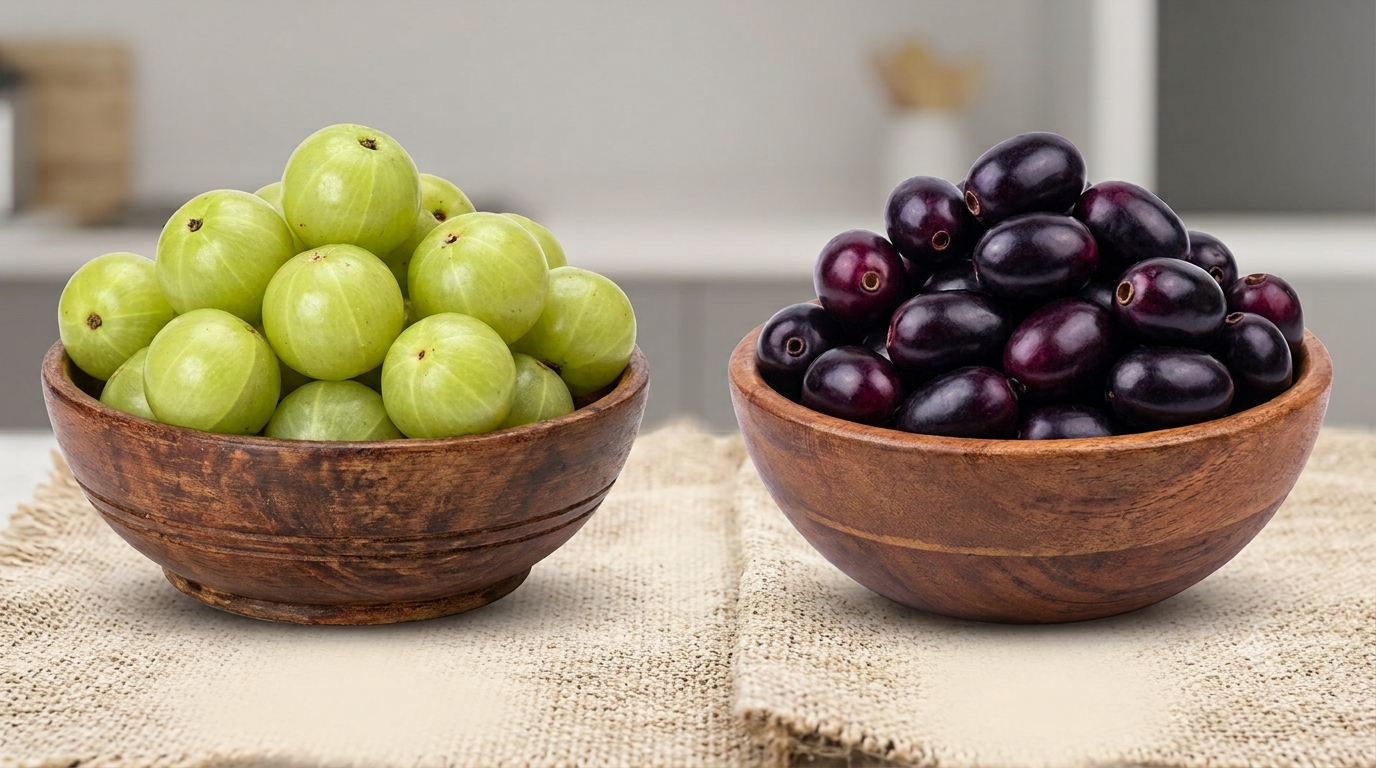
As India grapples with the rising prevalence of non-alcoholic fatty liver disease (NAFLD), many are turning to traditional summer fruits like Amla and Jamun for relief. Research published in the Dietary Interventions in Liver Disease journal suggests that both fruits act as potent hepatoprotective agents, with Amla offering a boost of antioxidants and vitamin C to combat oxidative stress. Research published in the Advances in Integrative Medicine journal suggests that Jamun provides crucial glycaemic control to manage the root metabolic causes of liver fat. Neither fruit is a "magic bullet", but rather, both are vital components of a holistic fatty liver diet. Reversing grade-1 fatty liver requires a consistent, multi-faceted approach where these fruits work in tandem with lifestyle changes rather than competing for the title of "liver saviour".
In the rising heat of the Indian summer, the markets become populated with seasonal superfoods. With cases of fatty liver disease, specifically non-alcoholic fatty liver disease (NAFLD), climbing across India, it's understandable why people are searching for simple, kitchen-remedy solutions. But before these two superfruits are pitted against each other , let's look at the science of liver health and what really helps in the reversal of fatty liver.
The Science Behind Liver Fat
Grade-1 fatty liver is the mildest form of fat accumulation in the liver. It is often a warning sign, which is a metabolic "check engine light". It signifies that your body is struggling to process fats and sugars efficiently. While diet is the cornerstone of recovery, no single food can "cure" the condition overnight. However, incorporating the right liver-friendly Indian diet can significantly tip the scales in your favour.
Amla: The Antioxidant Powerhouse
Amla benefits for the liver are well-documented in both Ayurveda and modern nutritional science. As a concentrated source of vitamin C and polyphenols, amla acts as a potent natural detoxifier.
When you consume Amla, you aren't just getting vitamins; you are arming your liver with hepatoprotective (liver-protecting) properties.
Amla helps combat oxidative stress, which is a primary driver of inflammation in liver cells.
By reducing this stress and improving lipid metabolism, Amla helps the liver process fat more effectively, making it an excellent addition to any fatty liver diet.
Jamun: The Metabolic Balancer
If Amla is the antioxidant warrior, Jamun is the metabolic strategist. Many cases of Grade-1 fatty liver are rooted in insulin resistance, which is essentially your body's inability to manage blood sugar, which then turns into stored fat in the liver.
Jamun benefits shine here because of its low glycaemic index and its ability to improve glucose tolerance. Research indicates that Jamun helps reduce liver enzymes like ALT and AST, which often spike when the liver is injured or inflamed.
By keeping blood sugar levels stable, Jamun prevents the "sugar spikes" that eventually lead to fat storage in the liver. For those wondering, "Is Jamun good for fatty liver?" The answer is a resounding yes, primarily for its role in metabolic health.
The Verdict: Combined Approach Works Best
If you are trying to reverse fatty liver, you shouldn't be choosing between them, but you should be using their distinct strengths. Amla provides antioxidant support to clear out toxins and reduce inflammation, while Jamun provides glycaemic control to prevent the metabolic factors that cause fat accumulation in the first place.
Also Read: Nutritionist Explains Why Adding Jamun To Your Diet Can Help Lower Blood Sugar, Inflammation
How To Include Jamun And Amla For Maximum Health Benefit
To see real changes in your liver health, consistency matters more than quantity.
- Consistency: A handful of fresh Jamun (about 5-7 pieces) or a shot of diluted Amla juice daily is sufficient.
- Timing: For most, consuming these in the morning or early afternoon helps the body metabolise the nutrients efficiently.
- The Holistic Approach: Remember, eating Amla or Jamun while maintaining a sedentary lifestyle or a diet high in processed sugars will not yield results. These fruits work best as part of a fatty liver diet that includes fibre-rich grains, lean proteins, and regular physical activity.
If you have been diagnosed with Grade-1 fatty liver, view these fruits as your supportive allies. They are powerful tools in your health arsenal, but they work best when combined with a low-sugar, whole-food approach to eating. Always consult your gastroenterologist or hepatologist to monitor your progress because when it comes to the liver, evidence-based management is the only true way to "reverse" the condition.
Disclaimer: This content including advice provides generic information only. It is in no way a substitute for a qualified medical opinion. Always consult a specialist or your own doctor for more information. NDTV does not claim responsibility for this information.