

)
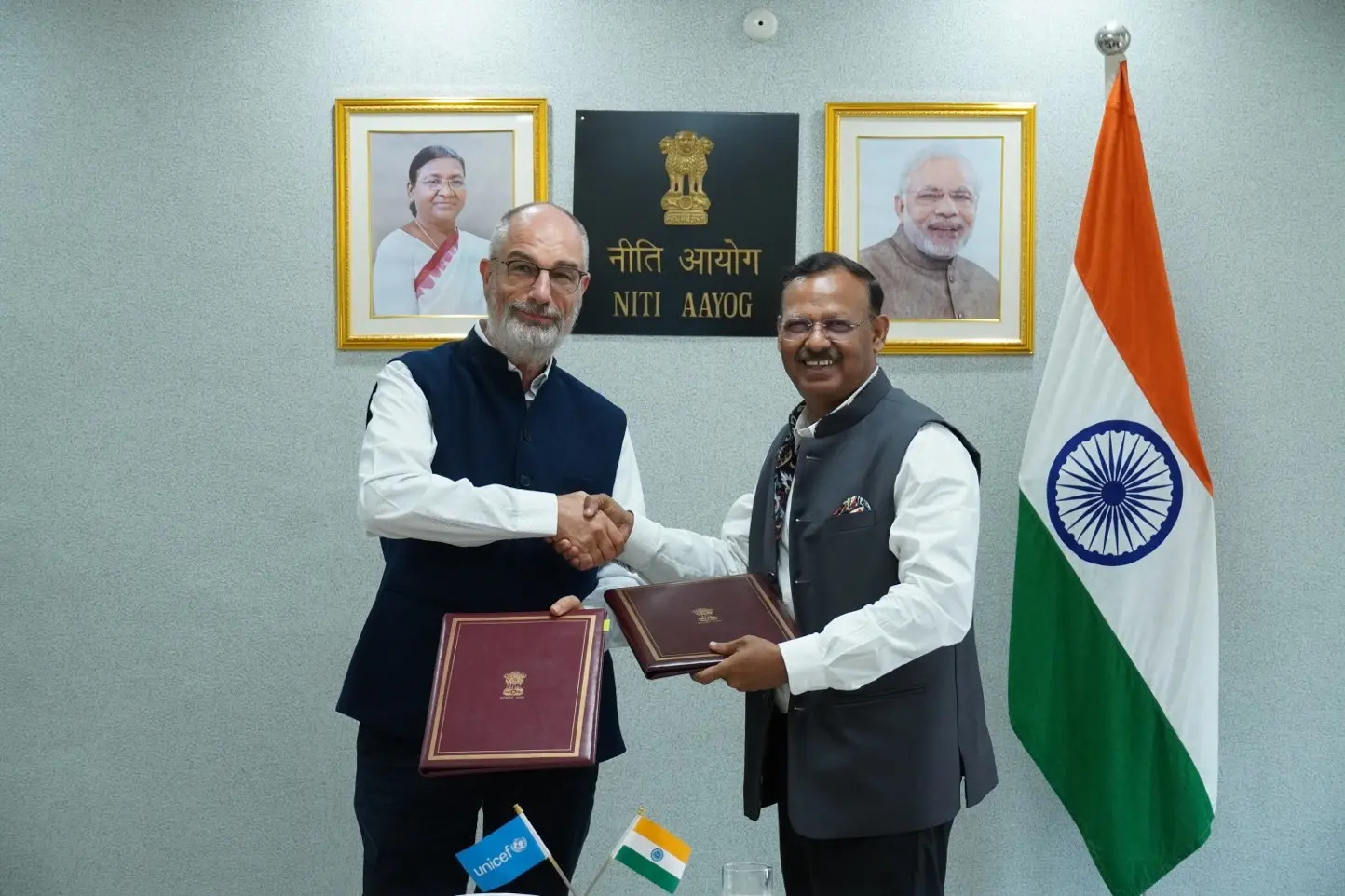
India has made significant strides in improving maternal and child health over the past decade, yet malnutrition continues to pose a major public health challenge, particularly in underserved and geographically difficult regions. Poor nutrition during pregnancy and early childhood can have lifelong consequences, increasing the risk of stunting, poor cognitive development, weakened immunity, and chronic diseases later in life. While government initiatives have helped improve access to healthcare and nutrition services, ensuring that these benefits reach every vulnerable community remains a challenge. To strengthen these efforts, NITI Aayog and UNICEF India have signed a Statement of Intent (SoI) to improve nutrition and health outcomes in Aspirational Districts and Aspirational Blocks across the country. The partnership aims to combine policy support, technical expertise, and greater collaboration with the private sector to enhance maternal and child nutrition programmes and improve the delivery of healthcare services in high-priority regions.
Why Nutrition Continues To Be A National Priority
Despite progress in reducing child mortality and improving healthcare access, malnutrition remains a significant concern in India. Many districts continue to report high rates of undernutrition, anaemia among women, low birth weight, stunting, and wasting among children.
Also read: India Needs To Strengthen Its Position As Global Pharmaceutical And Innovation Hub: NITI Aayog
The first 1,000 days of a child's life, beginning from conception until the age of two years, are widely recognised as the most critical period for growth and development. Poor maternal nutrition during pregnancy can affect both the mother and the baby, while inadequate nutrition during early childhood can permanently impact physical growth, learning ability, and future health.
Health experts emphasise that improving nutrition is not limited to providing food alone. It also requires access to quality healthcare, antenatal services, immunisation, breastfeeding support, sanitation, clean drinking water, and community awareness.
What The New Partnership Aims To Achieve
Under the newly signed Statement of Intent, NITI Aayog and UNICEF India will work together to strengthen nutrition and health interventions in Aspirational Districts and Aspirational Blocks, many of which continue to face gaps in healthcare infrastructure and service delivery.
The collaboration seeks to improve maternal and child nutrition outcomes by combining NITI Aayog's policy leadership with UNICEF India's technical expertise and field experience.
The partnership is expected to support evidence-based planning, strengthen implementation of nutrition programmes, and improve monitoring to ensure that essential services reach the communities that need them the most.
Focus On Last-Mile Healthcare Delivery
One of the primary objectives of the collaboration is to strengthen last-mile service delivery in high-priority regions. Speaking on the occasion, Rohit Kumar, Additional Secretary and Mission Director of NITI Aayog, said that partnerships with organisations such as UNICEF India will further strengthen efforts to address critical health and nutrition challenges while improving last-mile delivery of essential services. Reaching vulnerable populations in remote and underserved regions remains one of the biggest challenges for public health programmes. By improving coordination and implementation at the grassroots level, the partnership aims to ensure that healthcare and nutrition interventions translate into measurable improvements on the ground.
UNICEF India To Provide Technical Expertise
As part of the collaboration, UNICEF India will provide technical assistance to support nutrition-focused initiatives across Aspirational Districts and Blocks. The organisation will also help engage businesses, public sector enterprises, and industry associations to channel Corporate Social Responsibility (CSR) investments towards nutrition programmes.
By mobilising technical resources and encouraging greater private sector participation, the initiative aims to complement government efforts and strengthen ongoing health and nutrition interventions. Corporate Social Responsibility has emerged as an important contributor to India's social development initiatives. Through this partnership, businesses and industry bodies will be encouraged to invest in programmes that improve maternal nutrition, child health, awareness campaigns, community outreach, and healthcare infrastructure.
Such collaborations can help bridge resource gaps while promoting innovative, community-based solutions that address local nutritional challenges.
Why Aspirational Districts Need Greater Attention
The Aspirational Districts Programme was launched to accelerate development in districts that lag behind on key socio-economic indicators, including health, nutrition, education, agriculture, financial inclusion, and infrastructure. Many of these districts face unique challenges such as difficult terrain, limited healthcare facilities, shortage of trained health workers, and lower awareness regarding maternal and child health practices.
Strengthening nutrition services in these areas has the potential to significantly improve health outcomes while reducing inequalities across states and regions.
Potential Impact On Maternal And Child Health
Improving maternal nutrition has benefits that extend beyond pregnancy. Well-nourished mothers are more likely to have healthier pregnancies, safer deliveries, and babies with better birth weights. Similarly, better nutrition during infancy and early childhood can reduce the risk of infections, support healthy brain development, improve school performance, and lower the likelihood of chronic diseases later in life.
Also read: 38 Parasites Found In UK Woman's Brain After Her Trip To India: What Is Neurocysticercosis?
Experts believe that integrated approaches involving healthcare, nutrition counselling, immunisation, sanitation, and community engagement are essential for achieving sustainable improvements in maternal and child health.
Supporting India's Long-Term Health Goals
The collaboration also aligns with India's broader public health priorities, including reducing malnutrition, improving maternal and child survival, and achieving the Sustainable Development Goals related to health and nutrition. By combining policy support, scientific expertise, community engagement, and private sector participation, the partnership seeks to create stronger and more sustainable nutrition systems in underserved regions.
The Statement of Intent between NITI Aayog and UNICEF India represents another important step towards addressing one of India's most persistent public health challenges. By strengthening technical support, mobilising CSR investments, and improving last-mile delivery of nutrition services, the collaboration aims to improve maternal and child health in Aspirational Districts and Blocks. As India continues its efforts to reduce malnutrition and health disparities, partnerships such as these could play a key role in ensuring that quality nutrition and healthcare reach every mother and every child, regardless of where they live.
Disclaimer: This content including advice provides generic information only. It is in no way a substitute for a qualified medical opinion. Always consult a specialist or your own doctor for more information. NDTV does not claim responsibility for this information.