

)
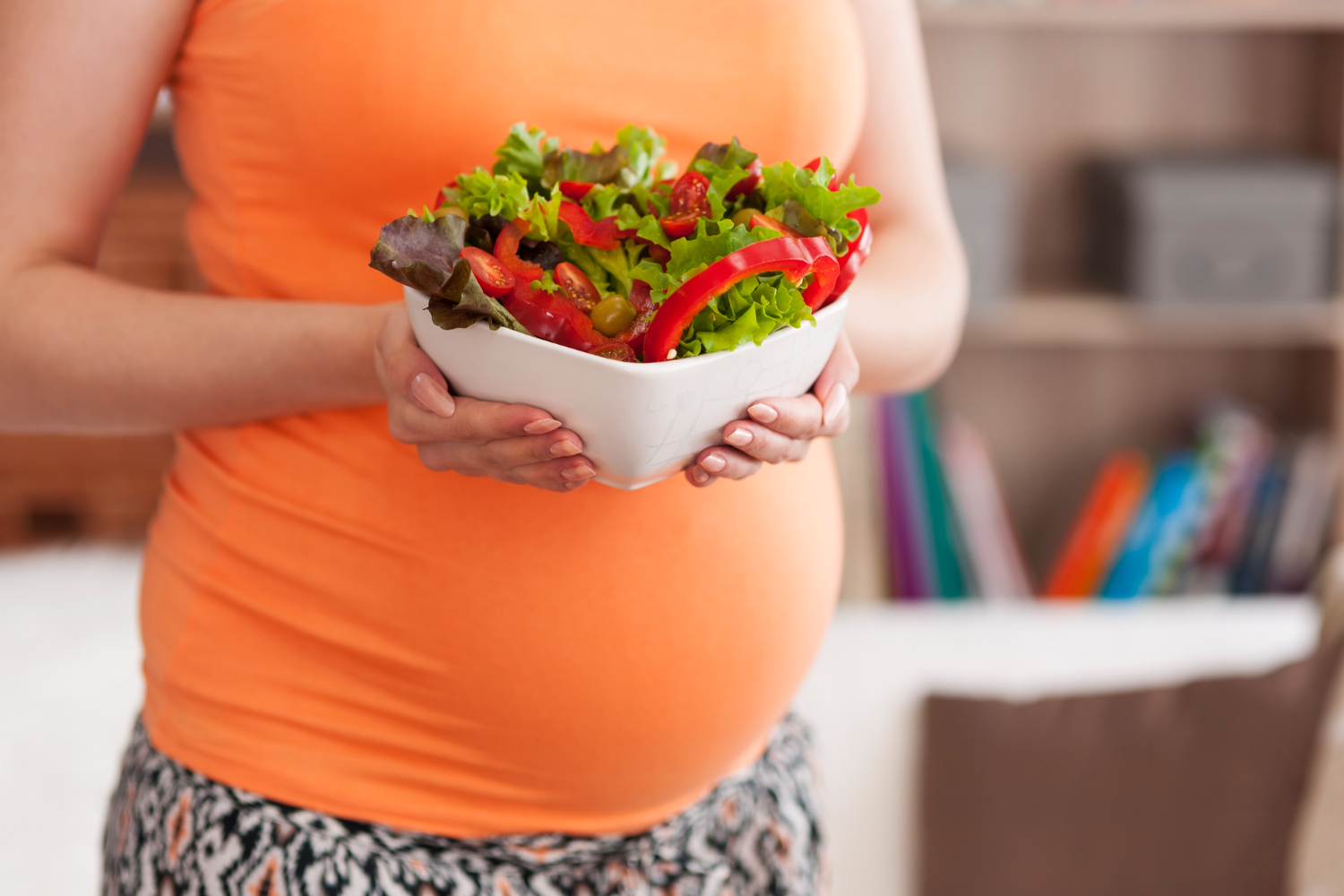
While prescriptions for iron, calcium, and folic acid are standard in prenatal consultations, it is vital to recognize that maternal well-being extends far beyond basic supplementation. However, supplements are merely safety nets; they cannot replicate the intricate matrix of fiber, phytonutrients, and bioactive compounds found in a whole-food diet. In the Indian clinical landscape, where we face a "double burden" of micronutrient deficiencies and rising gestational diabetes, the focus must shift back to the kitchen. Ensuring a healthy pregnancy requires a strategic approach to the daily plate, treating food as the primary biological fuel for fetal programming rather than a secondary concern.
The Anatomy of a Balanced Indian Plate
A nutrient-dense diet during pregnancy must go beyond merely increasing calories; it requires a strategic selection of local, seasonal produce. According to the Indian Council of Medical Research (ICMR) 2024 guidelines, a pregnant woman requires an additional 350 to 450 calories in the second and third trimesters, but these should ideally come from "high biological value" proteins and complex carbohydrates.
A standard meal should transition from refined grains to "nutri-cereals" like Ragi (finger millet) or Bajra (pearl millet). For example, having Ragi roti along with white rice for lunch increases the intake of calcium by a considerable amount, which is very important for the development of the skeleton of the fetus. The millets have lower glycemic index values, which aid in regulating blood sugar levels and preventing gestational hypertension.
Also Read: 5 Signs Of Hypertension During Pregnancy
Protein Synergy and Micronutrient Absorption
Protein is the building block of fetal tissue and the expanding maternal uterus. In many Indian households, the primary protein source is dal (lentils). However, plant-based proteins are often incomplete. To achieve a complete amino acid profile, lentils should be paired with cereals, a traditional practice seen in dishes like Khichdi or Idli. Incorporating paneer, curd, or eggs into your daily meals further enhances protein quality.
A critical but often overlooked aspect of maternal nutrition is "bioavailability." Although spinach is a rich source of iron, absorption is inhibited due to phytates. Against this effect, green leafy vegetables should have a dash of lemon (Vitamin C). This culinary tweak enhances the absorption of plant-based iron sources, thereby helping reduce the incidence of maternal anemia, estimated at more than 50% among pregnant women in India.
Functional Superfoods and Smart Snacking
Conventional superfoods from India, like Amla (Indian Gooseberry), Moringa (Drumstick leaf), and nuts, are rich sources of antioxidants and omega-3 fatty acids. Omega-3 fatty acids, especially DHA, are critical for the brain and eye development of the baby. Adding walnuts and flaxseeds (Alsi) to morning snacks will give these fatty acids without having to indulge in excessive consumption of oils.
Prioritize hydration by choosing health-focused drinks like chaas, buttermilk, and coconut water over sugary beverages. These options provide essential electrolytes and probiotics, which help manage the digestive issues commonly experienced during the third trimester. Mid-morning snacks of seasonal fruits such as guava or orange ensure that fiber and vitamins are not cycled into the "empty calorie" trap of biscuits and other sugary snacks.
Also Read: Pregnancy Diet: What Is The Best Time To Take Iron And Calcium Supplements?
Maternal nutrition is a dynamic requirement that evolves alongside the pregnancy, requiring specific dietary adjustments for each trimester. By placing importance on a variety of foods, with an emphasis on millets, complementing proteins, and locally available superfoods, mothers can create a healthy environment for their children to grow and develop. This means that instead of "eating for two" as far as food amount is concerned, mothers should focus on providing "nourishment for two" based on nutritional content, ensuring that the daily meal remains the primary source of life-sustaining nutrients.
(By Dt. Pooja Gupta, Paras Health Panchkula, Haryana)
Disclaimer: The opinions expressed within this article are the personal opinions of the author. NDTV is not responsible for the accuracy, completeness, suitability, or validity of any information on this article. All information is provided on an as-is basis. The information, facts or opinions appearing in the article do not reflect the views of NDTV and NDTV does not assume any responsibility or liability for the same.