

)
India's public healthcare system is set for a significant policy push as Union Health and Family Welfare Minister Jagat Prakash Nadda chairs the 16th Conference of the Central Council of Health and Family Welfare (CCHFW) in New Delhi on Monday. The annual conference brings together Union and State Health Ministers, Members of Parliament, senior policymakers and health officials to review national health priorities and strengthen cooperation between the Centre and States.
This year's meeting goes beyond policy discussions. It will see the launch of three major initiatives that could reshape emergency medical response, maternal and newborn healthcare, and child health services across the country: the Operational Guidelines on National Ambulance Services (NAS), 2026, the SUMAN Roadmap 2030, and the Samagra Shishu Bal Swasthya Karyakram (SSBSK).
Together, these initiatives address three of India's biggest public health priorities, ensuring timely emergency care, reducing maternal and newborn deaths, and improving healthcare during the first three years of life. They also align with India's commitments under the Sustainable Development Goals (SDGs) and the broader vision of strengthening primary healthcare through the National Health Mission.
1. National Ambulance Services Guidelines: Standardising Emergency Care
One of the most significant announcements is the release of the Operational Guidelines on National Ambulance Services (NAS), 2026, which aim to establish uniform standards for ambulance services across all States and Union Territories.
Ambulances are often the first point of medical contact during emergencies. However, ambulance availability, equipment, staffing and response times currently vary widely across India.
The new guidelines propose a comprehensive framework covering:
- Standardised ambulance categories
- Population-based ambulance deployment
- Training standards for Emergency Medical Technicians (EMTs)
- Mandatory compliance with AIS-125 safety standards
- Equipment, medicines and infection-control protocols
- Vehicle maintenance and quality monitoring
- Grievance redressal mechanisms
A major focus is on technology. The guidelines recommend Integrated Command and Dispatch Centres (ICDCs) with GPS-enabled ambulance tracking, structured triage systems and real-time performance dashboards. They also encourage integration with the national emergency helpline 112, enabling faster and more coordinated emergency responses.
Another notable proposal is GIS-based mapping of hospitals, trauma centres, ambulance locations and accident-prone areas, allowing dispatch teams to identify the most appropriate healthcare facility for each patient.
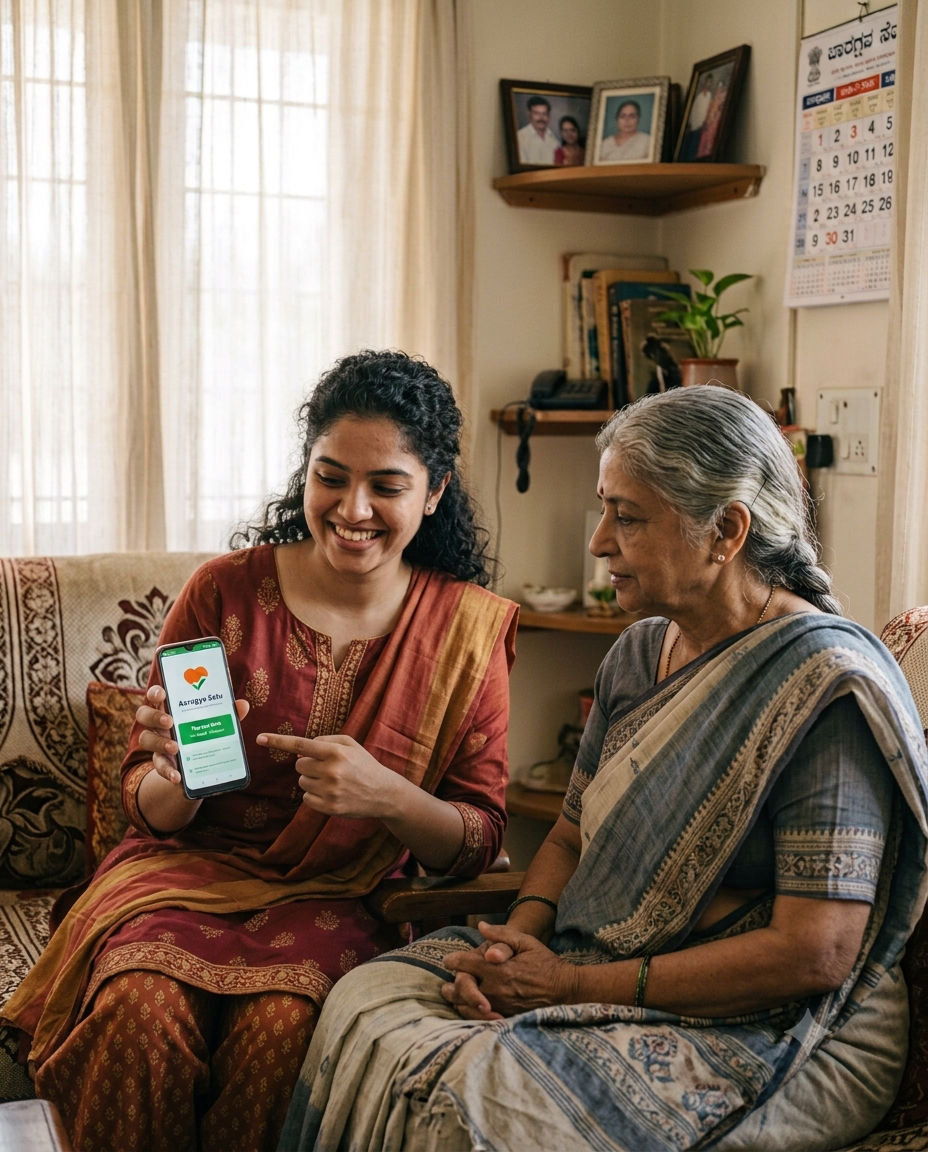
Also Read: Aarogya Setu 2.0 Launch Today: 10 New Features That Could Transform Healthcare
2. SUMAN Roadmap 2030: Accelerating Maternal And Newborn Survival
India has made remarkable progress in reducing maternal mortality over the past two decades. According to the Sample Registration System (SRS) Special Bulletin 2018-20, the country's Maternal Mortality Ratio (MMR) declined to 97 maternal deaths per 100,000 live births, achieving the National Health Policy target ahead of schedule.
Despite this progress, maternal and newborn deaths remain concentrated in several high-burden districts. To address these gaps, the Ministry will launch the SUMAN Roadmap 2030, a strategic framework designed to accelerate progress towards the SDG targets for maternal and newborn survival.
Unlike previous nationwide approaches, the roadmap introduces state- and district-specific strategies, particularly across 130 districts in 13 high-focus States, including Bihar, Uttar Pradesh, Madhya Pradesh, Rajasthan, Assam and Odisha.
A key feature is its life-cycle approach, integrating care across:
- Pre-pregnancy
- Antenatal care
- Childbirth
- Postnatal care
The roadmap also introduces a structured four-stage framework to identify and monitor high-risk pregnancies, ensuring closer follow-up during pregnancy, labour and the post-partum period.
Among the proposed interventions are:
- Third-trimester home visits by ASHAs
- Improved referral transport
- Birth Waiting Homes in remote regions
- Obstetric High Dependency Units (HDUs)
- Intensive Care Units (ICUs) in underserved areas
- Financial support for caregivers accompanying new mothers after delivery
Community participation also receives greater emphasis through initiatives such as SUMAN Panchayats and Mothers' Picnic, aimed at improving awareness, antenatal care, institutional deliveries and immunisation coverage.
3. SSBSK: One Programme For Every Child's First Three Years
The conference will also mark the launch of the Samagra Shishu Bal Swasthya Karyakram (SSBSK), a new national programme focused on children from birth to 36 months. The first three years of life are widely recognised as the most critical period for physical growth, brain development and long-term health outcomes.
- SSBSK brings together two existing initiatives, Home-Based Newborn Care (HBNC) and Home-Based Care for Young Child (HBYC), into a single integrated programme.
- One of its most innovative features is the introduction of a risk-stratified care model.
- Children identified as "at risk" will receive additional home visits by ASHAs, Auxiliary Nurse Midwives (ANMs), Community Health Officers (CHOs) and Anganwadi Workers.
The programme also introduces:
- Well-Baby Sessions during Village Health, Sanitation and Nutrition Days
- Monthly Shishu Shivirs at Ayushman Arogya Mandirs
- Routine maternal mental health screening after childbirth
- Early childhood development interventions promoting responsive caregiving, learning and play
- Digital tracking systems for follow-up and referrals
The UNICEF and WHO have repeatedly emphasised that investments during the first 1,000 days of life have lifelong benefits for child survival, nutrition, cognitive development and educational outcomes.
Why This Conference Matters
Taken together, the three initiatives reflect a shift towards integrated, technology-enabled and preventive healthcare. Rather than focusing solely on hospital-based treatment, the new policies seek to strengthen the entire continuum of care, from emergency transport and safe pregnancy to child development during the earliest years of life. They also recognise persistent disparities across States by encouraging localised planning and evidence-based resource allocation.
If implemented effectively, these initiatives could improve emergency response times, reduce preventable maternal and infant deaths, strengthen early childhood development and support India's progress towards achieving the Sustainable Development Goals by 2030.
The 16th Conference of the Central Council of Health and Family Welfare represents more than an annual policy meeting. It serves as a roadmap for the next phase of India's public health journey. The launch of the National Ambulance Services Guidelines, SUMAN Roadmap 2030 and Samagra Shishu Bal Swasthya Karyakram signals a stronger focus on timely emergency care, safer pregnancies and healthier starts to life for millions of Indians. As these initiatives move from policy to implementation, their success will ultimately depend on effective coordination between the Centre, States and frontline health workers who deliver care on the ground.
Disclaimer: This content including advice provides generic information only. It is in no way a substitute for a qualified medical opinion. Always consult a specialist or your own doctor for more information. NDTV does not claim responsibility for this information.