

)
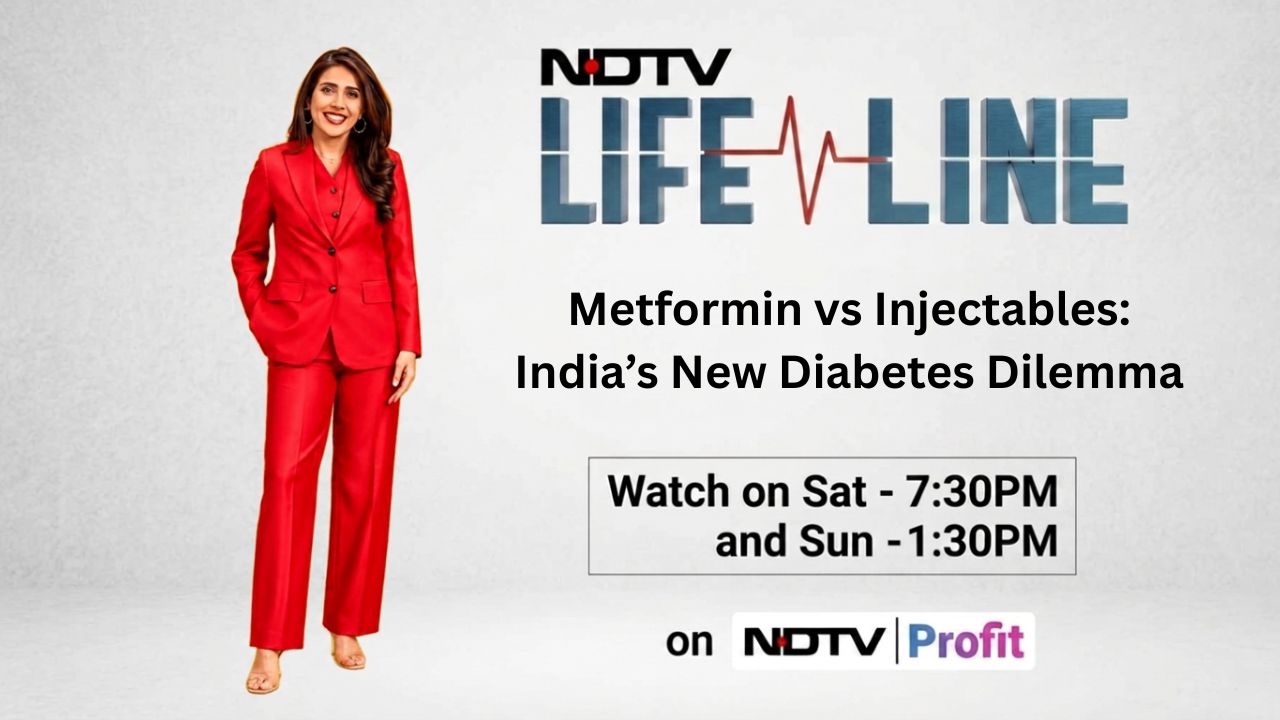
For decades, Metformin has been the foundation of type 2 diabetes treatment. Affordable, widely available, and backed by years of evidence, it remains the first medicine prescribed to millions of Indians diagnosed with diabetes. But a new generation of drugs has changed the conversation.
Weekly injectable medications such as Ozempic (semaglutide) and Mounjaro (tirzepatide) are being hailed as game-changers, promising not only better blood sugar control but also significant weight loss and protection against heart-related complications.
So, are these newer injections really better? Has Metformin become outdated? Or is the answer more complicated than a simple winner-versus-loser debate?
With India now home to more than 100 million people living with diabetes and millions more at risk, the choice of treatment has become an important medical, financial and lifestyle decision.
Diabetes today is no longer limited to urban India. Changing diets, sedentary lifestyles and delayed diagnosis have pushed cases up across both cities and rural communities. The challenge is made worse by the fact that many people remain undiagnosed until complications begin affecting the heart, kidneys, eyes or nerves.
To understand how treatment decisions play out in real life, we met Sudeep Dasgupta, who has been managing type 2 diabetes with Metformin for several years. For him, the medicine continues to provide stable sugar control without placing a heavy burden on his monthly healthcare expenses. His experience reflects why Metformin continues to be recommended as first-line therapy in most newly diagnosed patients.
But there is another side to the story.
We also met Puja Kochhar who shared with us that after starting Mounjaro, she noticed meaningful weight loss along with improved blood work. For patients like her, newer injectable therapies can offer benefits that extend beyond glucose management, particularly when obesity is a major health concern.
So why are more patients and doctors considering injectable treatments?
In this episode, Dr. Anoop Misra, Executive Chairman of Fortis C-DOC Hospital breaks down the science behind both treatment options. He explains how Metformin works primarily by reducing glucose production in the liver and improving insulin sensitivity. Ozempic and Mounjaro, meanwhile, mimic hormones involved in appetite regulation and insulin release, helping patients feel fuller for longer while improving blood sugar levels.
But every treatment comes with trade-offs.
Metformin has a long safety record and remains one of the most cost-effective diabetes medicines available. Common side effects include digestive discomfort, though these are usually manageable.
The newer injectables often deliver greater weight-loss benefits and stronger blood sugar reductions in appropriate patients. However, they are significantly more expensive and may cause side effects such as nausea, vomiting and gastrointestinal distress. They are also not necessary for everyone with diabetes.
According to Dr. Mittal, the real shift in diabetes care is not about replacing Metformin but about personalised treatment. The right medicine depends on factors such as weight, cardiovascular risk, kidney health, treatment goals and affordability.
The episode also tackles some of the biggest myths surrounding diabetes medications. Are injections guaranteed to work faster? Is Metformin outdated? Are drugs like Ozempic and Mounjaro only weight-loss medicines? Dr. Mittal separates fact from fiction and explains what patients should know before making treatment decisions.
Beyond medicines, diabetes management is increasingly being shaped by technology. We take a look at tools such as Continuous Glucose Monitors (CGMs), insulin pumps and smart insulin pens, which are helping patients monitor their condition more effectively.
And because diabetes care extends beyond prescriptions, Ruhi Rajput, Clinical Nutritionist, showcases three simple, diabetes-friendly recipes that can help support better blood sugar control, proving that daily food choices remain one of the most powerful tools in managing the condition.
The verdict? Diabetes is not about chasing the newest drug or the latest trend. Whether it is Metformin, Ozempic, Mounjaro or a combination of treatments, success depends on early diagnosis, informed medical guidance, consistent monitoring and sustainable lifestyle changes.
The goal is not simply lower blood sugar. The goal is better health, fewer complications and a longer, healthier life.
Tune in to NDTV Profit, every Saturday at 7:30pm and Sunday at 1:30pm, to watch the full episode.
Disclaimer: This content including advice provides generic information only. It is in no way a substitute for a qualified medical opinion. Always consult a specialist or your own doctor for more information. NDTV does not claim responsibility for this information.