

)
Haemophilia is a relatively rare inherited bleeding disorder caused by deficiency of clotting factors, most commonly Factor VIII (Haemophilia A) or Factor IX (Haemophilia B). Individuals with haemophilia do not bleed faster than others, but they bleed for a longer duration due to impaired clot formation. This leads to spontaneous bleeding episodes, particularly into joints and muscles, resulting in pain, disability, and reduced quality of life. Despite being a rare condition globally, India carries the world's second-largest burden, with estimated 100,000-affected individuals.
The severity of haemophilia depends on the level of clotting factor activity in the blood. Severe cases (<1% activity) experience frequent spontaneous bleeds, often into joints like knees, elbows, and ankles. Moderate cases (1-5%) have occasional bleeding, while mild cases (5-30%) typically bleed only after injury. Traditionally, because of the fear of bleeding, children with haemophilia were discouraged from participating in sports. However, this perspective has changed significantly over the past few decades.
With advances in medical care-especially factor replacement therapy, prophylactic regimens, and newer agents such as emicizumab-children and adults with haemophilia can now safely participate in a variety of physical activities. In fact, regular exercise is no longer seen as a risk, but as an essential component of comprehensive haemophilia care.
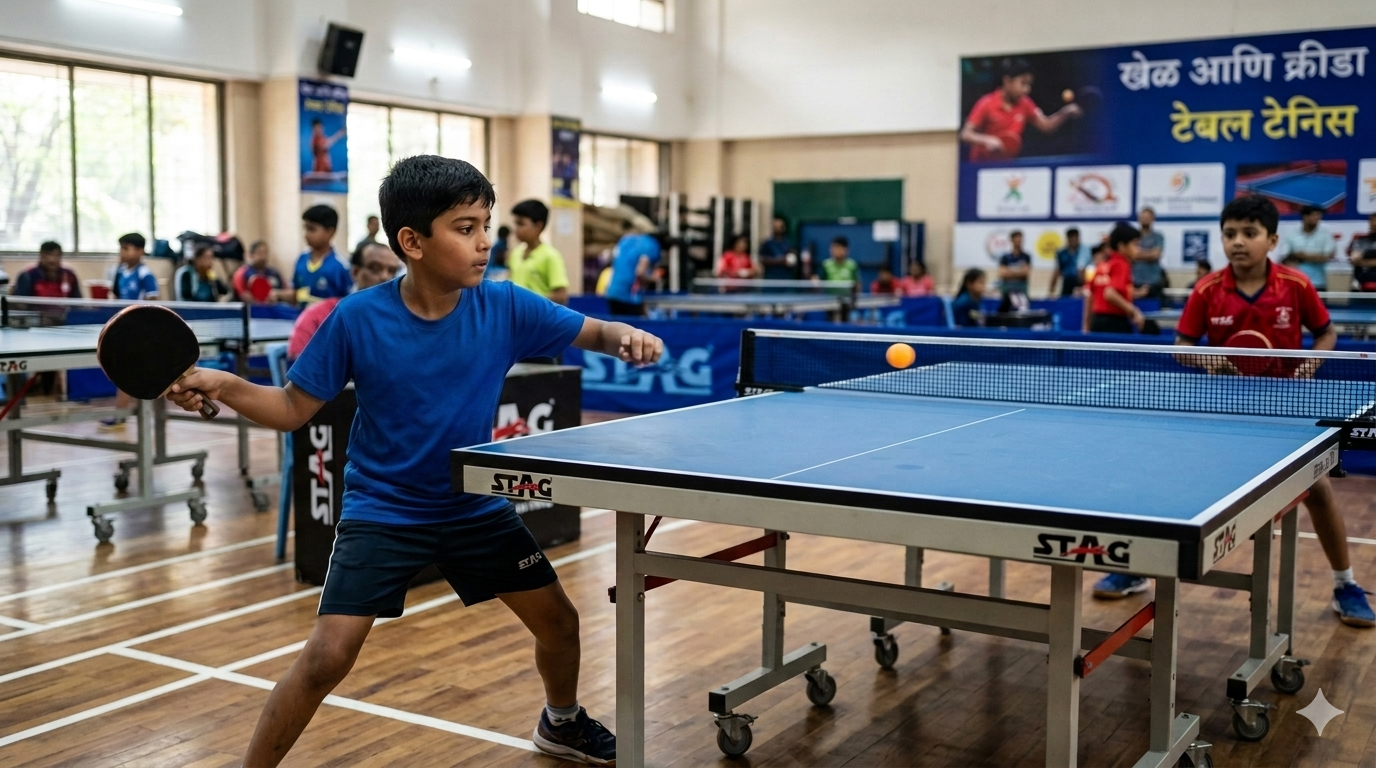
Participation in sports offers numerous benefits. Physically, it strengthens muscles, improves bone density, and maintains joint health. Strong muscles provide better support to joints, thereby reducing the risk of bleeds. Exercise also enhances endurance, coordination, and flexibility, all of which contribute to better overall physical performance and reduced injury risk. Beyond physical benefits, sports play a vital role in psychological and social development. They reduce stress, improve sleep, build confidence, and encourage teamwork, and foster social integration, crucial aspects for children who might otherwise feel restricted or different.
Parents play a pivotal role in encouraging children with haemophilia to engage in sports. Collaboration between parents, healthcare providers, and physiotherapists ensures that children understand their condition, recognize their limits, and participate safely. Education is key-not only for families but also for teachers and coaches who supervise these children.
Scientific evidence now supports that children with haemophilia, especially those on prophylaxis without joint damage, can have physical abilities comparable to their peers in terms of strength, endurance, and motor skills. However, the choice of sport must be individualized. Activities like swimming, cycling, and rowing are highly recommended due to their low impact and controlled movements. These help improve endurance and muscle strength with minimal risk of trauma. Non-contact disciplines such as karate and stretching exercises enhance flexibility and balance.
On the other hand, high-risk sports-especially contact or collision sports like boxing, wrestling, and competitive football-pose significant bleeding risks and are generally discouraged. Even in relatively safe sports, hidden risks such as falls, collisions, or contact with equipment must be considered. Therefore, proper supervision, use of protective gear, and awareness of potential hazards are essential.
Precautions before engaging in sports are crucial. For those on prophylaxis, scheduling factor administration prior to physical activity ensures optimal protection. Warm-up and cool-down routines are equally important to prevent injuries. A structured warm-up increases muscle elasticity, improves circulation, and prepares the body for activity, while cool-down helps in gradual recovery. Hydration, appropriate clothing, and gradual progression of intensity further enhance safety.
Despite all precautions, bleeding episodes may still occur. Early recognition is critical. Symptoms such as joint swelling, warmth, limping, tingling, or pain should alert caregivers. Immediate management using the RICE protocol-Rest, Ice, Compression, Elevation, and Exercise (rehabilitation phase)-along with prompt factor replacement, can limit complications. It is important to avoid medications like aspirin that may worsen bleeding.
After a bleeding episode, physiotherapy plays a vital role in restoring joint function. Return to sports should be gradual and guided by medical advice. Regular follow-up, ideally every six months, helps assess joint health and tailor physical activity plans accordingly.
School participation deserves special attention. Open communication between parents, teachers, and healthcare providers ensures a safe environment for the child. Educating school staff about the child's condition allows appropriate modifications in physical activities while encouraging inclusion.
In conclusion, the paradigm surrounding haemophilia and sports has shifted from restriction to encouragement. With modern treatment and proper precautions, individuals with haemophilia can lead active, fulfilling lives. Sports not only improve physical health but also empower children with confidence, independence, and resilience. While risks cannot be eliminated, they can be effectively minimized through informed choices, careful planning, and coordinated care. Ultimately, sports should be viewed not as a threat, but as a powerful tool in enhancing the quality of life for people with haemophilia.
(By Dr Harsha Prasada L, Consultant Pediatric Hematologist and Oncologist, KMC Hospital, Mangalore)
Disclaimer: The opinions expressed within this article are the personal opinions of the author. NDTV is not responsible for the accuracy, completeness, suitability, or validity of any information on this article. All information is provided on an as-is basis. The information, facts or opinions appearing in the article do not reflect the views of NDTV and NDTV does not assume any responsibility or liability for the same.