

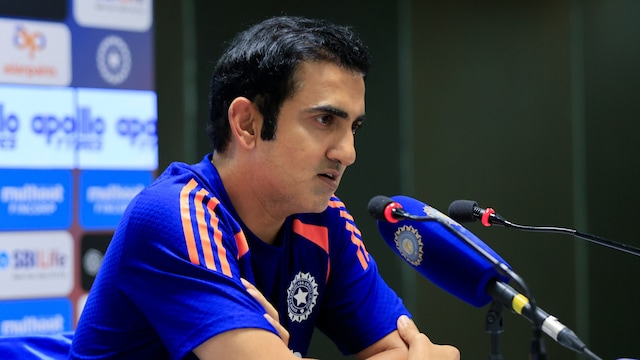
Indian cricket has seen Gautam Gambhir deliver under pressure, from his match-winning 75 in the 2007 T20 World Cup final to his crucial 97 in the 2011 ODI World Cup final. But beyond these memorable performances, the former India opener's approach to fitness has revolved around discipline, sensible eating and adapting his training to the demands of the game. As Gambhir turns 45 on October 14, his fitness philosophy offers a useful reminder that staying active over the years does not necessarily require an extreme workout routine or an elaborate diet plan. In interviews over his playing career, he has spoken about the importance of physical conditioning, its connection with mental sharpness, and making better food choices. More recently, he has also shared a simple principle that sums up his approach to healthy living: a healthy, uncomplicated diet, without alcohol or smoking. From his emphasis on cardiovascular exercise and match-specific training to his preference for home-cooked food, here are the fitness lessons that have stood out in Gambhir's journey over the years.
1. A healthy diet does not have to be complicated
One of Gambhir's most widely reported fitness anecdotes came in December 2023, when a fan asked him on X about the secret behind his sharp memory. His response was straightforward: "Healthy boring diet. No alcohol, no smoking." The remark reflected his preference for consistency over complicated dietary rules. Rather than presenting a fashionable diet or a quick-fix approach, Gambhir highlighted two lifestyle choices that can make a difference to overall health: eating sensibly and avoiding alcohol and tobacco.
Healthy boring diet. No alcohol, no smoking 🙂 https://t.co/ALgLz7W3wH
— Gautam Gambhir (@GautamGambhir) December 29, 2023
For people trying to improve their fitness, the broader lesson is to focus on habits that are sustainable over time. A balanced diet containing adequate protein, whole grains, fruits, vegetables and healthy fats can support energy levels, muscle maintenance and recovery. Avoiding smoking and limiting or avoiding alcohol can also help reduce health risks. However, Gambhir's personal choices should not be interpreted as a complete diet plan for everyone. Nutritional requirements vary according to age, activity levels, health conditions and individual goals.
2. He believes physical fitness supports mental fitness
In a 2016 interview with Hindustan Times, Gambhir explained his belief that physical conditioning and mental performance are closely connected. "The more physically fit you are, the more mentally fit you get," he said, adding that fitness helps players make the right decisions under pressure. For an international cricketer, this connection is particularly important. Players must maintain concentration for extended periods, respond quickly to changing match situations and manage pressure while their bodies are fatigued. The principle also applies outside professional sport. Regular physical activity can support mood, sleep and cognitive health, while exercise can help people manage everyday stress. Strength training and cardiovascular exercise can complement each other, improving different aspects of physical capacity. The takeaway is that fitness should not be measured only by appearance or the number on a weighing scale. Endurance, strength, mobility and mental well-being are all important parts of a healthy lifestyle.
3. Cardiovascular exercise has remained an important part of his routine
Gambhir has spoken about incorporating cardiovascular exercise into his fitness schedule. Speaking to media, Gautam Gambhir described his preference for regular gym sessions and cardiovascular training, with workouts adjusted according to his sporting commitments. The report also noted his preference for walking on a treadmill. Cardiovascular exercise improves the body's ability to sustain physical activity and supports heart and lung health. Activities such as brisk walking, cycling, swimming and jogging can help improve endurance when performed regularly at an appropriate intensity. Walking is particularly accessible because it can be adapted to different fitness levels. People who are new to exercise can begin with short sessions and gradually increase their duration and pace.
For adults, the World Health Organization recommends 150 to 300 minutes of moderate-intensity aerobic activity per week, or an equivalent amount of vigorous activity, alongside muscle-strengthening exercises on at least two days a week. Gambhir's reported preference for cardiovascular training offers a practical reminder that exercise does not always have to involve high-intensity workouts. Consistent movement can be an important foundation for long-term health.
4. His workouts are adapted to the demands of his sport
Another important detail from Gambhir's fitness philosophy is that he does not treat training as a fixed routine that must remain unchanged throughout the year. Gautam Gambhir emphasised that his workouts are shaped by his sporting schedule and the physical demands of upcoming matches. For a cricketer, preparation can involve a combination of cardiovascular conditioning, strength work, mobility, skill-specific drills and recovery. The balance between these elements may change depending on whether the player is preparing for a long Test series, a short T20 tournament or a period away from competitive cricket.
The same principle can be useful for recreational exercisers. Training should reflect a person's goals, experience, available time and recovery needs. Someone preparing for a long-distance run, for instance, will require a different programme from someone primarily interested in building muscle.
Rest and recovery are equally important. Increasing exercise intensity without allowing sufficient recovery can contribute to fatigue and injuries. A well-planned routine should be challenging but sustainable.
5. He learned the importance of eating right over the years
Gambhir recalled that he did not think about following a particular diet when he began playing cricket as a child. With experience, however, he came to appreciate the importance of eating appropriately. He noted that these seemingly small changes had made a substantial difference. The observation highlights how an athlete's understanding of nutrition can evolve alongside training demands. Young players may initially focus on developing technique and spending time on the field, but competitive sport places additional demands on energy availability, recovery and maintaining physical performance.
For people who exercise regularly, eating enough to support their activity is important. Protein helps maintain and repair muscle tissue, carbohydrates provide energy for training, and dietary fats support normal bodily functions. Vitamins, minerals and adequate hydration also contribute to overall health.
A balanced eating pattern does not mean eliminating entire food groups or avoiding every favourite dish. It means understanding portions, choosing nutritious foods regularly and adjusting intake to meet individual needs.
Gambhir has also spoken about his fondness for home-cooked food, including milk and curd, while noting that his dietary choices can change according to his requirements.
6. Consistency matters more than chasing quick results
Gambhir's comments across different stages of his career point towards a common theme: fitness requires regular effort, but the details of a routine can change as circumstances change. His 2018 interview with Hindustan Times also offered a glimpse into the practical compromises that can accompany a professional sporting career. Discussing food he had missed, he mentioned butter chicken and dal makhani, explaining that his fitness regimen had required him to hold back from eating them as freely as he would have liked. He also acknowledged that maintaining fitness had gradually become a habit.
That is a more realistic approach than expecting people to follow a perfect routine every day. Long-term fitness is built through repeated choices, from exercising regularly and eating balanced meals to getting enough sleep and allowing the body to recover. It is also important to distinguish an athlete's professional requirements from those of the general population. Elite cricketers train for performance under the guidance of specialists, whereas most people need a routine that fits their health, work and family commitments.
At 45, Gautam Gambhir's reported fitness habits offer several practical lessons: eat sensibly, avoid smoking, make cardiovascular activity a regular part of life, adapt exercise to your needs and understand that physical conditioning can support mental well-being. His approach is not a substitute for individualised medical or nutritional advice, nor does it establish a single formula for healthy ageing. Instead, it reinforces a straightforward principle: long-term fitness is less about finding a perfect routine and more about maintaining healthy habits consistently.
Disclaimer: This content including advice provides generic information only. It is in no way a substitute for a qualified medical opinion. Always consult a specialist or your own doctor for more information. NDTV does not claim responsibility for this information.