

)
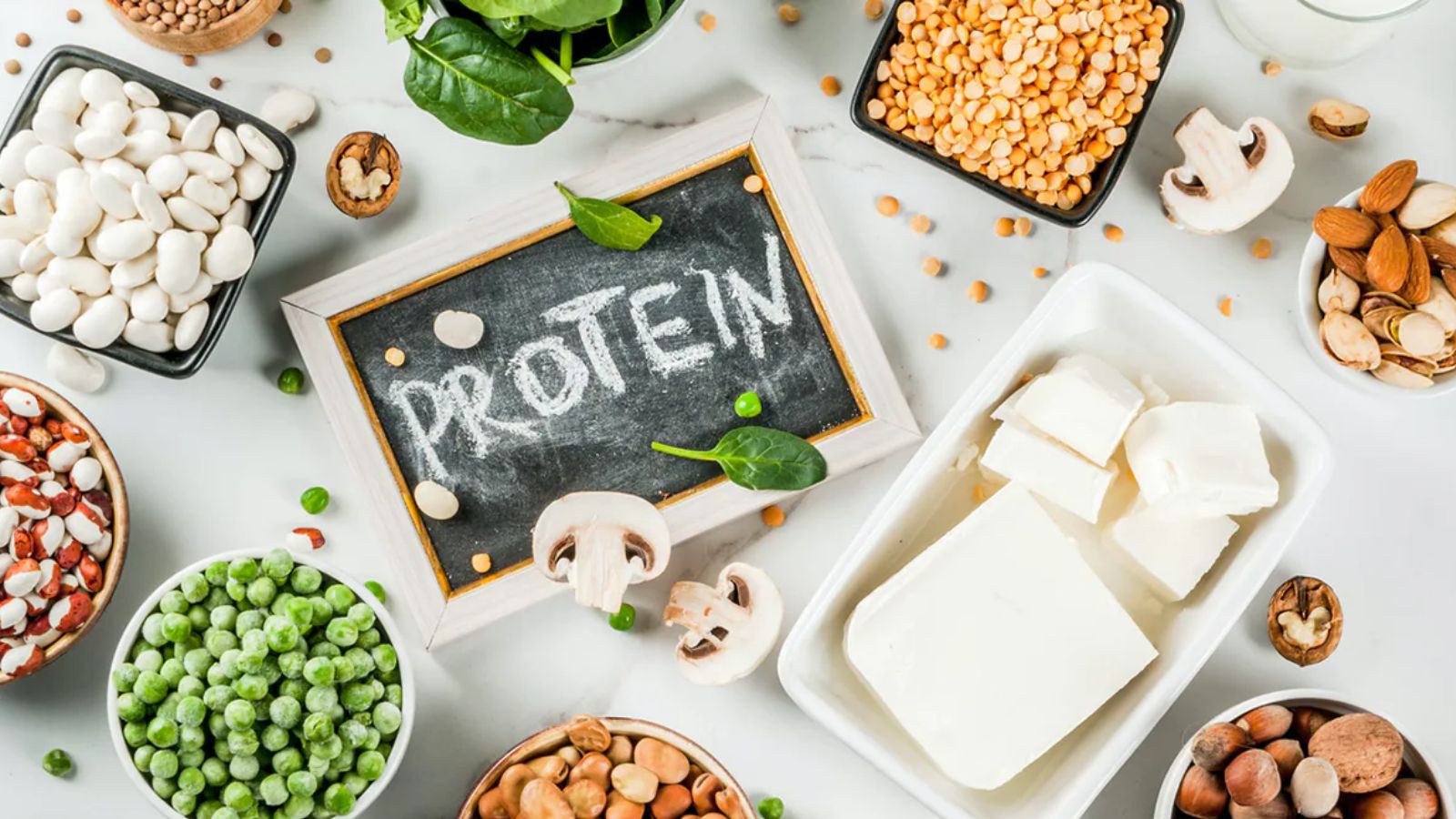
Protein is one of the most important nutrients that your body needs to perform several functions every day. It helps build and repair muscles, supports healthy bones, strengthens the immune system, and plays a key role in making hormones and enzymes. It also helps you feel full for longer, which is also why a lot of people increase their protein intake when they're trying to lose weight or build muscle. Protein comes from both animal sources as well as plant-based foods.
The amount of protein you need depends on your age, body weight, activity level, and overall health. For a healthy adult, the Recommended Dietary Allowance (RDA) is about 0.8 grams of protein per kilogram of body weight per day. However, people who exercise regularly, older adults, pregnant women, or those recovering from illness may require more. While getting enough protein is important, consuming it in excess without a balanced diet can sometimes lead to unwanted health problems, including digestive issues such as constipation.
Can Protein Cause Constipation?
Protein itself does not directly cause constipation. However, a high-protein diet can contribute to constipation if it is not planned properly. One of the biggest reasons is that many high-protein foods, especially animal-based sources like meat, poultry, eggs, and cheese, contain little or no fibre. Fibre adds bulk to the stool and helps it move through the digestive tract more easily. If your protein intake increases while your fibre intake reduces, bowel movements can become less frequent and stools may become hard and difficult to pass.
Another reason is dehydration. Protein metabolism requires water, and many people on high-protein diets may not drink enough fluids. Without enough water, the body absorbs more fluid from the stool, making it dry and harder to pass.
Some people also consume protein shakes or supplements instead of whole foods. Depending on their ingredients, some protein powders may cause digestive discomfort, bloating, or constipation, particularly if they are low in fibre.
Who Is More Likely To Experience Constipation?
Constipation linked to protein intake is more likely to affect people who:
- Eat large amounts of meat while avoiding fruits, vegetables, and whole grains
- Follow very low-carbohydrate or ketogenic diets that are naturally lower in fibre
- Do not drink enough water throughout the day
- Have a sedentary lifestyle with little physical activity
- Depend mainly on protein supplements instead of balanced meals
The good news is that constipation is usually preventable with a few simple dietary and lifestyle changes.
How To Prevent Constipation On A High-Protein Diet
If you are increasing your protein intake, make sure the rest of your diet remains balanced. Some useful tips are:
- Eat plenty of fibre-rich foods such as fruits, vegetables, oats, brown rice, whole wheat, beans, lentils, and seeds
- Drink at least 2-3 litres of water daily, or more if you are physically active
- Include plant-based protein sources, which naturally contain fibre
- Stay physically active, as regular exercise supports healthy bowel movements
- Avoid relying entirely on protein supplements unless advised by an expert
Other Side Effects Of Too Much Protein
While protein is important, consistently consuming far more than your body needs may lead to other health concerns.
1. Dehydration
High protein intake may increase your body's water requirements. If you do not replace these fluids, you may experience dehydration, which can cause headaches, fatigue, dry mouth, and constipation.
2. Bad Breath
Very high-protein, low-carbohydrate diets can push the body into ketosis. This process produces compounds called ketones, which may give the breath a fruity or unpleasant smell.
3. Weight Gain
Many people associate protein with weight loss, but excess calories from protein can still be stored as body fat. Eating more protein than your body needs without balancing your total calorie intake may lead to weight gain over time.
4. Digestive Problems
Apart from constipation, some people may experience bloating, stomach discomfort, diarrhoea, or gas, especially if they suddenly increase protein intake or consume large amounts of protein supplements.
5. Increased Strain On The Kidneys
For healthy individuals, moderate increases in protein intake are generally considered safe. However, people who already have chronic kidney disease may need to limit protein intake because damaged kidneys have more difficulty filtering waste products produced during protein metabolism.
6. Reduced Intake Of Other Nutrients
Focusing too much on protein can sometimes mean eating fewer fruits, vegetables, whole grains, and healthy fats. Over time, this may reduce your consumption of important nutrients such as fibre, vitamins, minerals, and antioxidants that are required for overall health.
Disclaimer: This content including advice provides generic information only. It is in no way a substitute for a qualified medical opinion. Always consult a specialist or your own doctor for more information. NDTV does not claim responsibility for this information.