

)
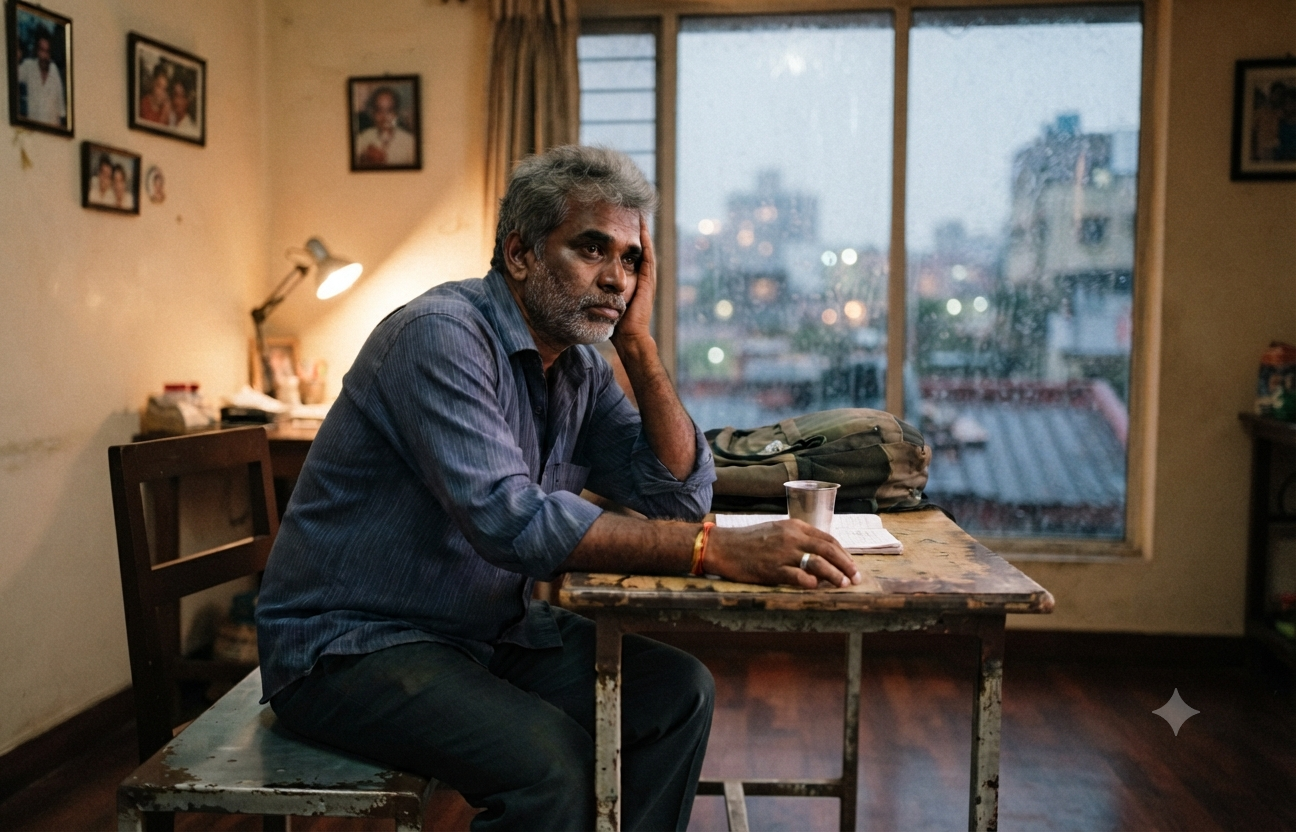
Monsoon fatigue is a sign that high humidity, poor sleep, digestion issues, and reduced activity are taking a toll on your energy levels. To maintain your energy levels throughout the day, ensuring your dietary choices compensate for it should be a priority. Monsoon season brings an unexpected amount of humidity in the air, which directly affects the body's cooling process. Additionally, a lack of sunlight exposure can also affect your mood and energy levels. These conditions are also behind an increased risk of infections, which can stress the immune system. When your immune system is under stress, it can become more vulnerable to changes in appetite and digestion. The resulting monsoon fatigue can be reduced by introducing low energy levels that can make it harder to function throughout the day.
5 Ways To Reset Your Energy And Immunity During Monsoon
Research published in the NPJ Climate and Atmospheric Science Journal points to low energy levels and immunity levels during the monsoon season. These effects can be minimised when your dietary choices strengthen the way your immune system functions. There are ways that you can do so, but balancing them on a priority basis is necessary.
1. Prioritise High-Protein And Nutrient-Rich Foods
Making sure that you increase your daily protein levels to match your physical activity is necessary to enrich your nutritional requirements. Foods such as eggs, lentils, fresh yoghurt, nuts and seeds, as well as seasonal fruits that are rich in vitamin C, are necessary to boost the function of immune cells.
To boost your immunity naturally, you need to increase your intake of healthy foods and keep a check on your daily protein intake. Protein intake as per your body weight and daily activity level is necessary to reduce tiredness during the monsoon.
2. Stay Hydrated Even If You Don't Feel Thirsty
The Journal of the Association of Physicians in India highlights that staying hydrated throughout the day is vital for monsoon fatigue. Hidden dehydration during humid weather can make your body sluggish and more tired during the monsoon. It is crucial that intake of regular plain drinking water, along with water-rich foods and drinks, is consciously consumed throughout the day. Your energy levels need a well-hydrated body to be balanced and
3. Improve Sleep Quality To Restore Energy
Research published in the Journal of Interprofessional Education and Practice Journal suggests that sleep quality directly affects your energy levels, as a well-rested body and brain can function at optimal capacity. Most people are startled awake during rainy weather, which disrupts their sleep cycle. Irregular sleeping patterns can make your immune system suffer, and it can become more susceptible to developing infections. Tiredness during the monsoon is a sign to pay attention to the quality of your sleep and maintain a consistent sleep schedule.
4. Get Daily Movement And Sunlight Exposure
Sunlight exposure is scarce during monsoons, which makes most people miss out on the essential morning vitamin D dose. Combining daily movement and sunlight exposure by going for a morning walk, doing indoor exercise routines in natural light from the windows, or doing stretching and yoga can prove beneficial for boosting your immune system.
Physical activity is responsible for secreting endorphins (happiness hormones) as well as boosting blood circulation, mood, and overall immune function.
5. Strengthen Gut Health To Support Immunity
Research published in the Nutrients Journal points to strengthening gut health if immunity needs to be improved. The gut and immune system are related, and consuming enough fermented foods in your diet could be a way to get your immune system to function better during the monsoon. To increase your intake of curd, buttermilk, fruits, and vegetables, you can meet your nutritional needs to boost your immune functioning.
When Should Fatigue Be A Concern?
Fatigue can become a health concern when the signs of monsoon fatigue become serious and turn into the following:
- Persistent exhaustion
- Fever
- Unexplained weight loss
- Breathlessness
- Severe weakness
Note: Seek medical evaluation if symptoms persist beyond a few weeks, as it could be related to an underlying biological cause that needs to be identified.
Energy levels during monsoon and immunity need active support from your diet, lifestyle, and daily movement. To make sure that your energy levels are improved, you need to choose better dietary sources of high-energy foods and immune-boosting nutritional sources as well.
Also Read: Are Raw Vegetables And Fruits Safe During Monsoon? Why You Need To Be Extra Careful
Disclaimer: This content including advice provides generic information only. It is in no way a substitute for a qualified medical opinion. Always consult a specialist or your own doctor for more information. NDTV does not claim responsibility for this information.