

)
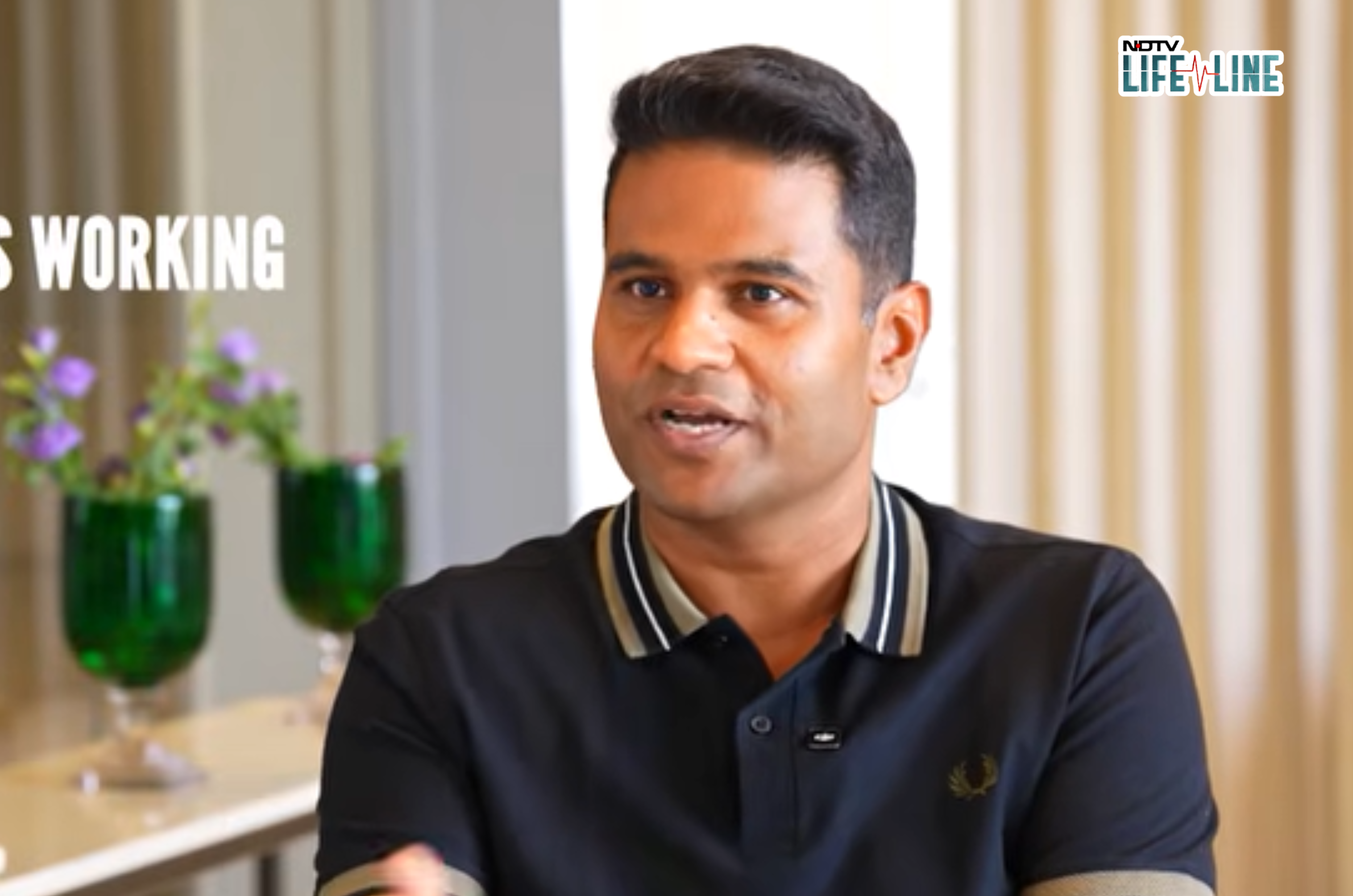
In today's high-velocity corporate world, professional success is often measured by late nights, constant availability, and relentless dedication to the grind. For decades, men have been conditioned to view their capacity to endure grueling schedules, mounting stress, and chronic exhaustion as a definitive badge of honor. In this intense hustle culture, listening to one's body is routinely dismissed as a distraction, while pushing through physical discomfort is praised as a sign of mental toughness. This toxic definition of strength forces millions to actively ignore subtle warnings, brushing aside early symptoms of physical decline until the damage becomes completely catastrophic. This dangerous reality is perfectly embodied in the life of Deepak Sethia. Deepak was not yet 40 years old when his high-pressure lifestyle abruptly caught up with him, culminating in a medical emergency that required the immediate placement of two cardiac stents.
Case Study On Deepak Sethia
Prior to his collapse, his life was defined by grueling 14-hour workdays, relentless corporate deadlines, and a constant accumulation of unmanaged stress. His body had been speaking to him through a series of subtle warning signs, but trapped in the cycle of professional obligation, he simply wasn't listening.
Today, Deepak has completely shifted his life's path, actively choosing health over the hustle, determined to remain present for his family not just as a financial provider but as a healthy father. His case study stands as a poignant, urgent reminder for modern men that ignoring physical symptoms is never a display of true strength-it is a life-threatening risk.
On a recent episode of the NDTV Lifeline, leading medical experts analyzed the underlying physiological and psychological mechanics behind Deepak's case, shedding light on a silent health crisis that continues to grow across the cardiovascular systems of men nationwide.
The Corporate Hustle: Normalising The Damage Of Chronic Stress
The tragic trajectory of cases like Deepak Sethia's is increasingly common in urban corporate landscapes. From an early age, social expectations condition men to carry the unyielding burden of being the primary financial provider. To fulfil this role, millions of men actively tolerate punishing work schedules, toxic stress levels, and severe sleep deprivation, treating them as basic badges of honour.
This lifestyle acts as a major, silent accelerant for systemic physical decline. When a man spends years working 14-hour days, his nervous system remains trapped in a prolonged state of fight-or-flight. This hormonal imbalance elevates blood pressure, hardens blood vessels, and disrupts baseline metabolic functions. The danger multiplies because men frequently misinterpret severe red flags as minor lifestyle inconveniences.
Chronic fatigue is brushed aside as simple exhaustion from a long week, breathlessness during minimal exertion is blamed on poor stamina, and chest discomfort is repeatedly masked with over-the-counter antacids. This total lack of medical literacy converts manageable physical issues into life-threatening cardiac emergencies.
The Vascular Crisis: Why Heart Disease Strikes Men Harder And Earlier
A critical clinical takeaway from recent cardiology data published in the American Journal of Heart Association found that heart disease is affecting men nearly a decade earlier than women. The male cardiovascular system faces a compounded threat from both biology and modern work culture. When chronic stress goes unmanaged, the body releases a continuous stream of cortisol and adrenaline. These hormones cause endothelial dysfunction which is the structural stiffening and narrowing of the blood vessels.
Over time, this narrowing restricts blood flow and forces the heart to work significantly harder to pump blood throughout the body. Because plaque accumulates at a highly accelerated rate under chronic stress, young corporate professionals are presenting with severe arterial blockages before they even reach middle age.
Deepak Sethia's requirement for two stents before turning 40 highlights an alarming epidemiological shift: coronary artery disease is no longer an exclusive ailment of the elderly. It is actively targeting young, otherwise highly functional individuals who operate in continuous high-stress environments.
Also Read: 7 Men's Health Issues Nobody Talks Openly About, But Should
Decoding Signs Of Heart Disease
One of the most dangerous tendencies among men is the habit of rationalising away physical pain. Because cardiac conditions can develop gradually before a final, acute blockade occurs, men easily normalise their declining health profile.
Cardiologists warn that ignoring early warning signs is a primary reason why young men face fatal outcomes during unexpected cardiac events. Medical experts outline a clear list of primary red flags that require immediate clinical evaluation:
- Persistent Fatigue: Feeling completely drained despite sleeping, which often signals that the heart muscle is struggling to pump efficiently.
- Unusual Breathlessness: Experiencing shortness of breath during routine activities, such as climbing a single flight of stairs or walking short distances.
- Chest Discomfort or Tightness: A heavy, squeezing sensation in the chest that is frequently and dangerously self-diagnosed as simple "acidity" or indigestion.
- Radiating Pain: Discomfort that originates in the chest and gradually migrates to the left arm, shoulder, neck, or jaw.
- Unexplained Dizziness: Sudden lightheadedness or cold sweats during a regular workday, indicating a sudden drop in cardiac output.
Scientific Validation: Grounding Cardiovascular Risk In Clinical Data
To effectively dismantle the taboos and ignorance surrounding men's heart health, public understanding must be rooted in validated scientific metrics:
1. The Stress-Infarction Correlation
A comprehensive clinical study published in The Lancet confirms that high activity in the amygdala, which is the brain's stress center and is directly linked to a significant increase in bone marrow activity and arterial inflammation. This physiological chain reaction accelerates plaque buildup and endothelial damage, directly leading to a higher incidence of acute myocardial infarction (heart attacks).
2. Sleep Deprivation Tracking
Research from the American Heart Association (AHA) demonstrates that consistently sleeping less than six hours a night raises a man's cardiovascular risk significantly. Sleep deprivation prevents the natural nighttime drop in blood pressure, forcing blood vessels to remain under high tension for a full 24 hours and destabilising arterial plaques.
Also Read: Breakthrough Blood Test May Diagnose Chronic Fatigue Syndrome With 96% Accuracy
The Definitive Medical Protocol: Prevention And Early Diagnostics
A major barrier keeping men from seeking early cardiac screenings is the paralysing fear of discovering a medical vulnerability. However, modern cardiology data thoroughly refutes this fear: preventive screening allows for highly effective, non-invasive management before a major blockage occurs.
The NDTV Lifeline prescription emphasises going back to the absolute basics of diagnostic empowerment. Every man, especially those operating in high-stress corporate roles, must establish a baseline health profile between the ages of 35 and 40.
This protocol includes regular checks of blood pressure, fasting blood sugar, HbA1c, and a comprehensive lipid profile to track cholesterol fractions.
Alongside regular testing, long-term well-being relies on actively managing known systemic risk factors.
Men must completely avoid smoking, heavy alcohol intake, and recreational substance abuse while committing to a balanced diet dense in green leafy vegetables, nuts, and clean, home-cooked food.
Regular physical exercise is equally crucial to control abdominal obesity and waist circumference, which are direct markers of visceral fat accumulation around vital organs.
True strength does not lie in enduring silent physical strain; it lies in choosing health over hustle before your body forces you to a halt.
Disclaimer: This content including advice provides generic information only. It is in no way a substitute for a qualified medical opinion. Always consult a specialist or your own doctor for more information. NDTV does not claim responsibility for this information.