

)
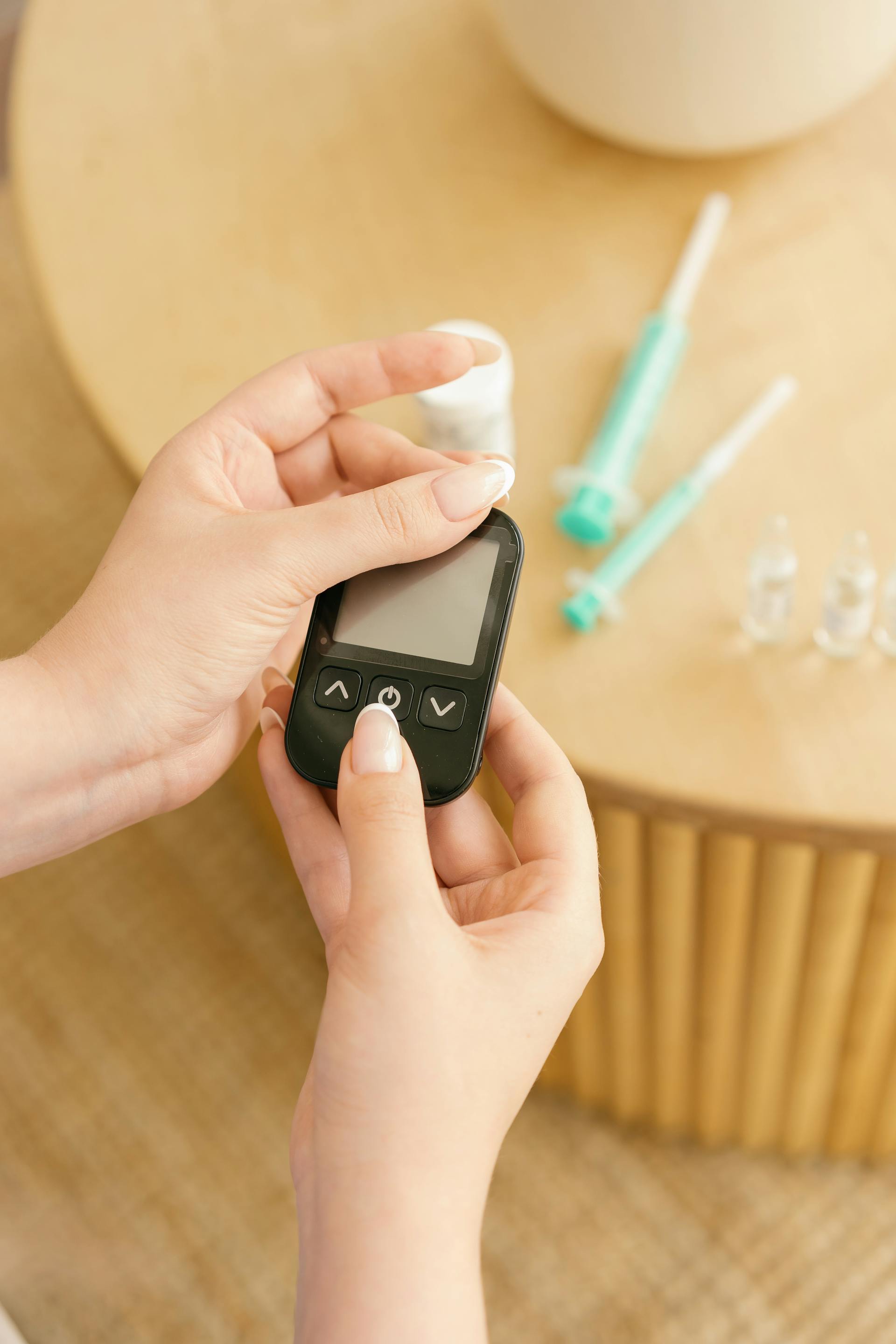
Blood sugar fluctuations need to be known even by people who don't have diabetes to control their risk of the chronic disease. To track your blood sugar spikes, several blood glucose monitoring devices or tools can be used, and this can prove beneficial, especially after consuming a meal. Particularly, a high-carbohydrate-rich meal can influence your blood sugar levels and make them spike, leading to excess insulin secretion. An estimated 237 million Indians struggle with regulating their blood sugar levels and remain at increased risk of developing diabetes. The age group affected most by unregulated blood sugar levels is not confined to older adults; young people are also getting diagnosed with issues in their blood sugar levels.
What Are Normal Blood Sugar Levels?
The normal blood sugar levels can be measured using glucometers, non-prick blood sugar devices, and glucose monitors. Those who are looking at normal blood sugar levels need to know the following figures:
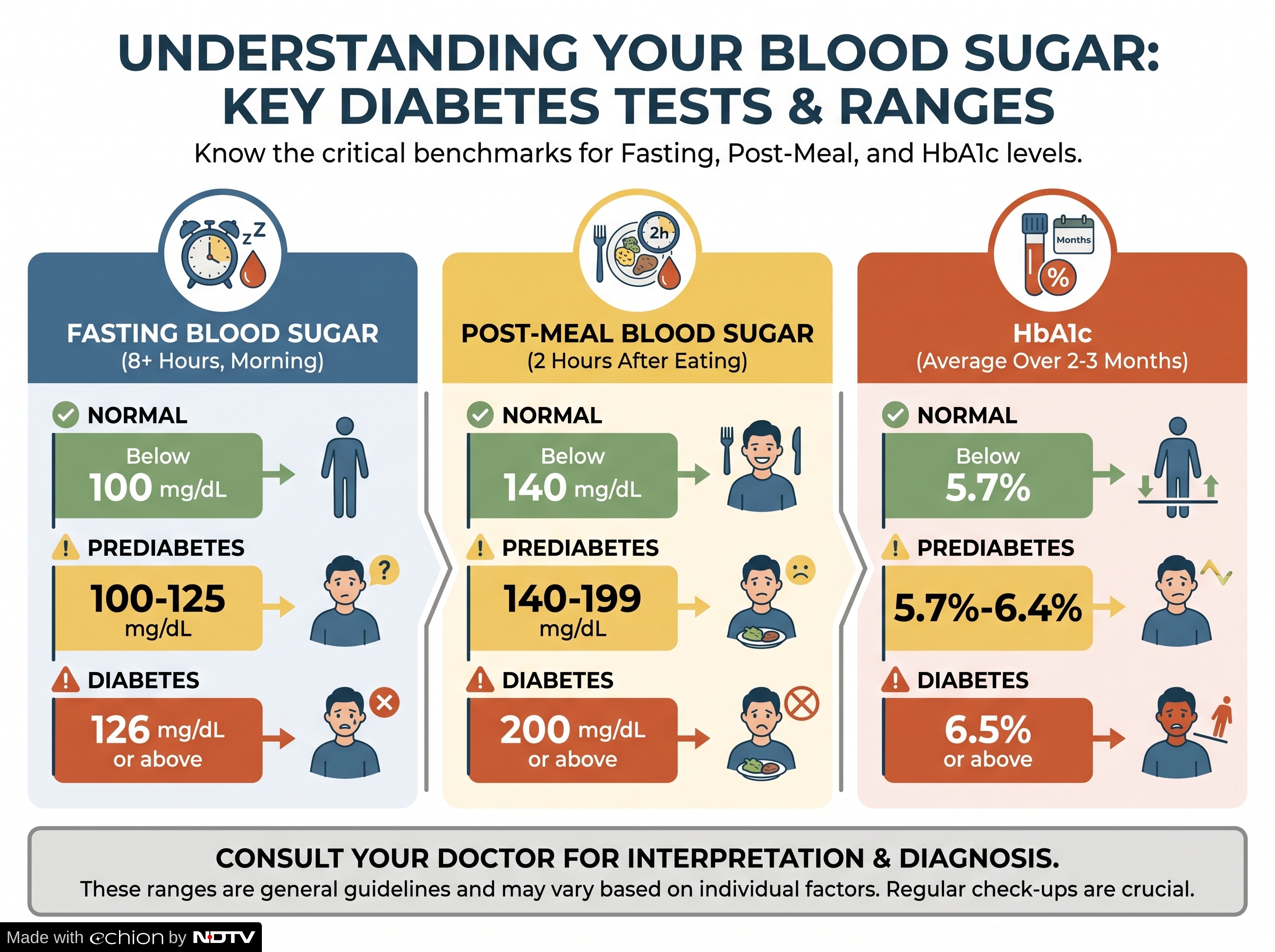
There are clear differences between fasting blood sugar and post-meal values which need to be kept in mind to regulate them effectively.
A temporary rise in blood sugar levels is normal and can happen after you consume a meal that has complex carbohydrates.
Why Do High-Carb Meals Cause Blood Sugar Spikes?
An obesity review published in the Obes Rev. Journal points to differences in post-meal blood sugar levels when a meal contains different types of carbohydrates. Those who consume simple carbohydrates note a small increase, while those who consume complex carbohydrates notice a significant rise in the glucose release post-meal.
If there is an excessive amount of insulin, it can be metabolised by transfer into cells. When this happens too fast, the blood sugar spikes and causes stress on the internal organs.
For instance, those who consume a diet that has an intake of high-carb foods such as white rice, white bread, sugary beverages, sweets or desserts, and refined breakfast cereals that are high in added sugars, then blood sugar levels spike.
What Is Considered A Blood Sugar Spike?
The JAMA Network Journal documents that a typical fasting glucose range is from 70 to 99 mg/dL. The rise in blood sugar level is common after 30-60 minutes post-meal and can even rise for 1-2 hours depending on the nutritional balance of your meal.
If these blood sugar spikes are repetitive, then issues with blood sugar are evident and need clinical evaluation.
Signs Some People Experience
When blood sugar levels rise and fall suddenly, then signs such as the following become common:
- Fatigue
- Sleepiness after meals
- Increased hunger
- Brain fog
- Excess thirst
How To Track Blood Sugar Spikes After Meals
Step 1: Check Fasting Blood Sugar
To track your blood sugar spikes after meals, you need to measure your fasting blood glucose first thing in the morning. This accurate reading can serve as the baseline to compare your post-meal blood sugar spike.
Step 2: Measure Before A Meal
Alongside, the first thing of the morning is the measurement of your blood sugar; you need to also measure your blood sugar before a meal to get a comparative value. The baseline glucose after waking up could be used as a measurement metric.
Step 3: Check At 1 Hour
Post-meal blood sugar should be checked at every hour, as peak glucose spikes occur around this time. It can even keep on rising for one to two hours post-meal, which can provide an accurate picture of your blood sugar spikes.
Step 4: Check Again At 2 Hours
The blood sugar levels need to be constantly measured to assess the fall after the spike post-meal.
Step 5: Record Results
The record of your blood sugar levels needs to be maintained like a glucose diary to record spikes and falls over a period of time.
Example Of Blood Sugar Tracking After A High-Carb Meal
The baseline normal blood sugar levels need to be tracked after a meal that consists of high and complex carbohydrates as per your normal blood sugar levels. Here is an example of the exact blood sugar levels that can be used for comparison:
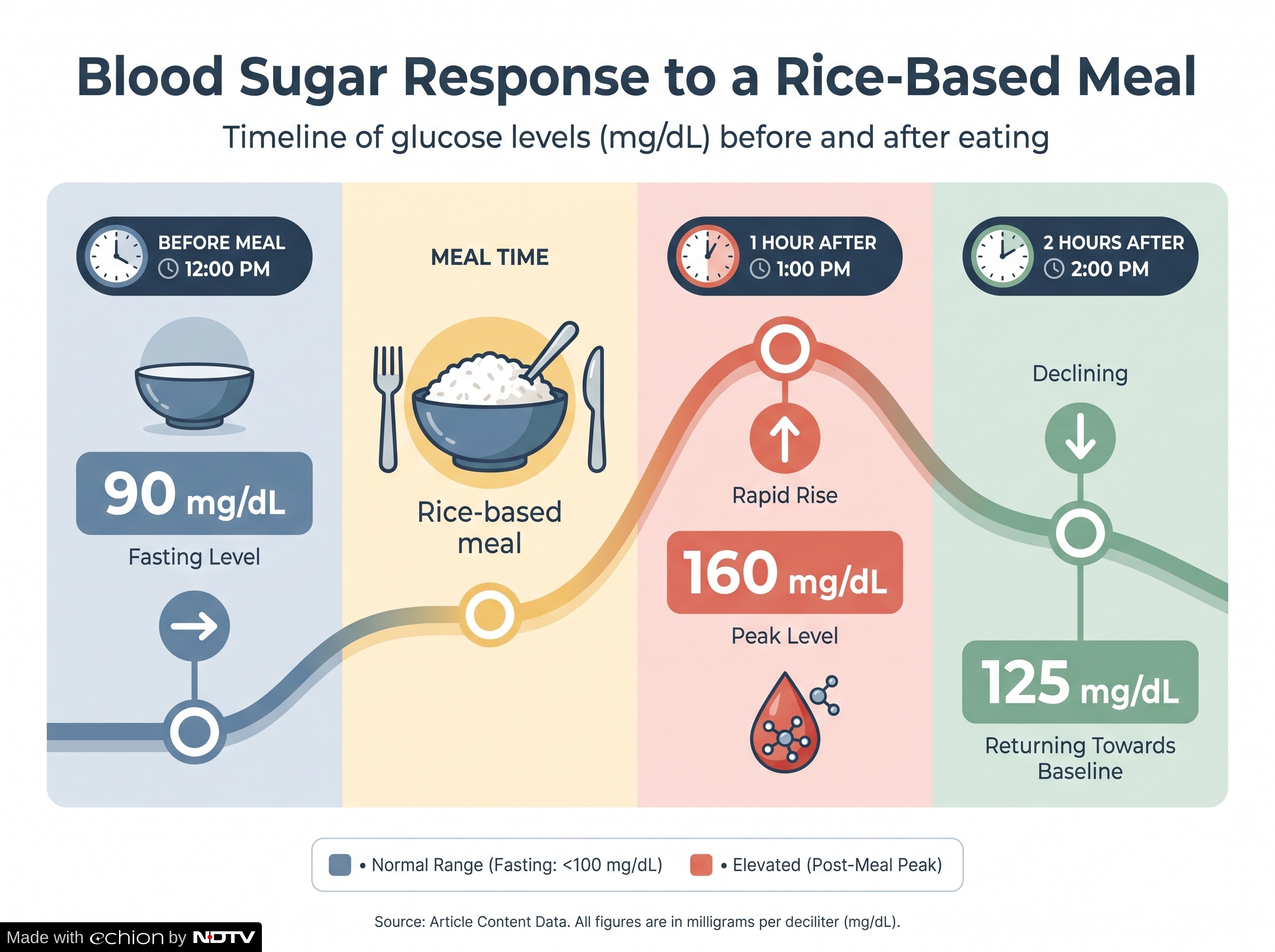
But it is also important to note that these values need a doctor's evaluation, as an individual can't accurately offer a clinical evaluation.
Continuous Glucose Monitors (CGMs): Are They Useful?
A CGM is a wearable sensor that is used to measure glucose levels in the fluid under the skin. According to the BMJ Journal, it is used to measure spikes in blood sugar levels throughout the day and night every couple of minutes. This constant monitoring offers a complete picture of your blood sugar levels, as they also show glucose trends, post-meal spikes, overnight blood sugar spikes, and the actual healthy blood glucose metric.
But it does have limitations for those who are otherwise healthy, as the CGM is open to inaccuracies based on the kind of meal that is eaten and the timing.
How To Reduce Blood Sugar Spikes After High-Carb Meals
If you want to reduce your blood sugar spikes, especially after consuming a high-carbohydrate meal, then you need to implement evidence-based strategies such as:
- Add protein to meals to increase your daily protein intake.
- Eat more fibre to make your digestion much more effective.
- Walk for 10-20 minutes after eating to regularise your post-meal blood sugar level.
- Pair carbohydrates with healthy fats for better absorption.
- Reduce sugary drinks that can instantly spike your blood sugar levels.
- Prioritise sleep, as insufficient sleep can result in an erratic blood sugar level the next day.
When Should You Speak To A Doctor?
If you are experiencing signs of an erratic blood sugar level, then you need to be aware of the warning signs to prioritise speaking to a doctor for a medical evaluation:
- Consistent fasting glucose above normal
- Repeated post-meal readings above recommended limits
- Excessive thirst
- Frequent urination
- Unexplained weight changes
- Family history of diabetes
These signs, along with knowing blood sugar levels post-meals, are needed for control over your risk of diabetes.
Also Read: Walking After Dinner: Does It Really Lower Blood Sugar?
Disclaimer: This content including advice provides generic information only. It is in no way a substitute for a qualified medical opinion. Always consult a specialist or your own doctor for more information. NDTV does not claim responsibility for this information.