

)
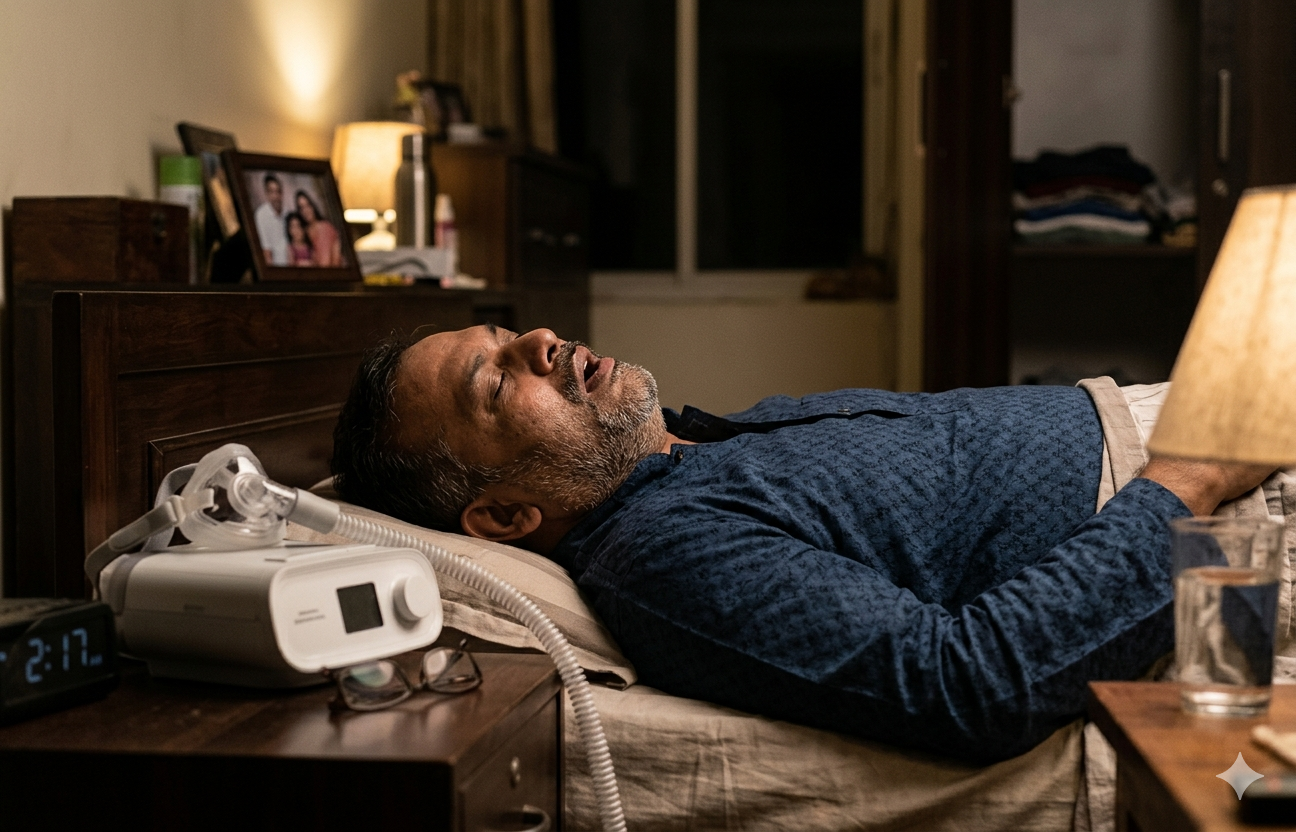
An individual spends nearly a third of their life sleeping, yet a quiet health crisis is brewing inside bedrooms. Every night, millions go to bed expecting the body to reset. Instead, many spend the next seven to eight hours in an exhausting physical struggle, waking up groggy, with heavy eyelids and morning headaches, often mistaking these symptoms for normal fatigue. There is, however, a dangerous line between regular exhaustion and a medical crisis. Snoring should not be ignored, especially when linked with fatigue or obesity, as it may indicate sleep apnea. To help the public recognise this silent epidemic, a medical expert systematically dismantled five of the most deep-rooted myths that keep patients from seeking medical intervention.
What Is Sleep Apnea?
Obstructive Sleep Apnea (OSA) is a chronic condition where breathing repeatedly stops and starts during sleep. The cause of it is due to airway collapse or weak throat muscles failing to keep the passage open. The condition leads to fragmented, poor-quality sleep and dangerously low blood oxygen levels throughout the night.
Dismantling The 5 Myths Of Sleep Apnea
In a featured segment of NDTV Lifeline, Dr Gopal Chawla, Department Head, Pulmonary Medicine, NMC Royal Hospital, DIP, Dubai, brought to light a significant reality: a vast majority of people suffering from sleep apnea remain completely undiagnosed. Here are the myths that are commonly associated with sleep apnea.
Myth 1: Snoring Is Harmless
- The Reality: Loud, persistent snoring is not a sign of deep sleep; it is a primary symptom of sleep apnea. It indicates a severe airway obstruction. Not all snoring is normal or benign.
Myth 2: Only Obese People Get Sleep Apnea
- The Reality: While obesity drastically increases vulnerability, thin individuals can also develop sleep apnea. Genetic and anatomical factors play a massive role, including a naturally narrow airway, specific jaw structures, or enlarged tonsils.
Myth 3: Sleep Apnea Is Just A Sleep Problem
- The Reality: Sleep apnea is a systemic disorder. The repetitive drop in oxygen levels puts immense strain on the cardiovascular system and metabolism, directly linking the condition to heart disease, diabetes, and hypertension.
A landmark study published in The Lancet established that severe, untreated obstructive sleep apnea significantly multiplies the long-term risk of fatal cardiovascular events and stroke.
Research from the American Journal of Respiratory and Critical Care Medicine demonstrated that chronic intermittent hypoxia (low oxygen) alters glucose metabolism, independently increasing the risk of developing Type 2 diabetes by over 30%.
Also Read: NDTV Lifeline: Why Millions Of Indians Sleep Every Night, But Never Rest
Myth 4: Daytime Sleepiness Is Normal
- The Reality: Constant fatigue is a major warning sign, not a byproduct of a busy lifestyle. Fragmented sleep prevents the brain from entering deep, restorative stages, resulting in low productivity and chronic brain fog during daytime hours.
Myth 5: You Don't Need Treatment
- The Reality: Untreated sleep apnea does not resolve on its own and significantly increases the risk of serious medical complications. Effective medical treatments exist, ranging from Continuous Positive Airway Pressure (CPAP) therapy to lifestyle modifications and specific throat exercises.
The Snoring And Obesity Link Explained
The intersection of rising obesity rates and sleep-related breathing disorders creates a dangerous cycle. Excess weight directly narrows the airway via localised fat deposits, which increases the physical probability of airway collapse when throat muscles relax during sleep. Conversely, clinical data show that significant weight loss can substantially reduce the severity of sleep apnea symptoms.
Also Read: Why Women Actually Need An Hour More Sleep Than Men (And What Happens If You Skip It)
When To See A Doctor
Medical evaluation should be sought immediately if individuals exhibit any of the following red flags:
- Loud, disruptive snoring
- Observed breathing pauses or gasping during the night
- Persistent morning headaches
- Excessive, unshakeable daytime sleepiness
Simple Ways To Reduce Risk
For preventative care and mild cases, specific lifestyle adjustments can actively lower the risk of airway collapse:
- Maintain a Healthy Weight: Reducing body fat directly alleviates pressure on the upper respiratory tract.
- Adjust Sleeping Positions: Side sleeping prevents gravity from pulling the tongue and soft tissues into the throat.
- Avoid Alcohol at Night: Alcohol acts as a muscle relaxant, worsening throat tissue collapse.
- Practice Throat Exercises: Myofunctional therapy and targeted throat exercises help tone weak upper airway muscles over time.
It is crucial to recognize that sleep apnea is common and often misunderstood in India. Pervasive myths delay necessary diagnosis and treatment, putting millions at long-term risk. Take action early: be aware of the warning signs, seek proactive screenings, and consult with a medical specialist if you suspect sleep apnea. By acting early, you can help safeguard your health and prevent serious, life-threatening complications.
Disclaimer: This content including advice provides generic information only. It is in no way a substitute for a qualified medical opinion. Always consult a specialist or your own doctor for more information. NDTV does not claim responsibility for this information.