

)
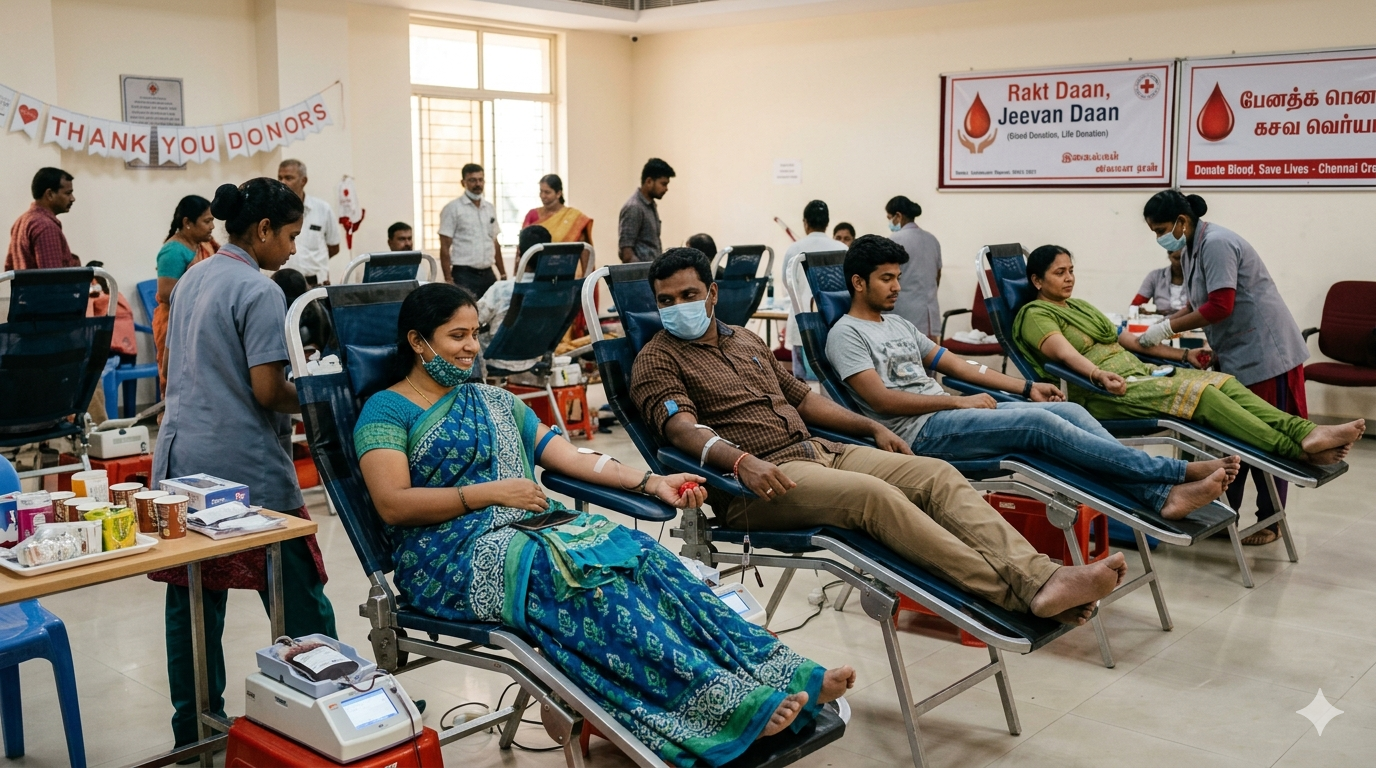
World Blood Donor Day is observed every year on June 14 to raise awareness about the importance of safe blood donation and to thank voluntary donors for their contributions. The day also highlights the critical role that donated blood plays in healthcare systems around the world. Millions of patients depend on blood transfusions every year, whether they are undergoing surgery, receiving cancer treatment, recovering from accidents, or managing chronic illnesses.
While many people understand that donating blood saves lives, fewer realise how far-reaching the impact of a single donation can be. Speaking to NDTV, Dr Rahul Bhargava, Principal Director & Chief, Haematology, Hemato-Oncology & Bone Marrow Transplant, Fortis Memorial Research Institute, Gurugram, said, "When most people think of blood donation, they imagine their donated blood being transfused directly into a patient. However, modern transfusion medicine has made it possible for a single unit of donated blood to be separated into different components, each serving a unique purpose. This means that one blood donation can potentially save or improve the lives of multiple patients." This makes every donation more valuable and highlights why regular blood donation is an important public health need.
Understanding Blood Components
When blood is donated, it is rarely used as whole blood. Instead, blood banks separate it into different components so that each part can be used where it is needed most. The three primary components obtained from donated blood are red blood cells, platelets, and plasma.
This process, known as component therapy, allows doctors to provide targeted treatment. Rather than giving a patient an entire unit of blood, healthcare providers can transfuse only the specific component required. This approach improves treatment effectiveness, reduces unnecessary exposure to other blood components, and helps maximise the benefit of every donation.
According to Dr. Bhargava, this component-based approach ensures that one blood donation can potentially save or improve multiple lives.
Red Blood Cells: Delivering Oxygen To The Body
Red blood cells are the most commonly transfused blood component. Their primary function is to carry oxygen from the lungs to tissues and organs throughout the body. When a person loses a significant amount of blood or suffers from conditions that reduce red blood cell levels, transfusions become essential.
Patients who experience severe blood loss due to road accidents, major surgeries, childbirth complications, or traumatic injuries often require red blood cell transfusions. These transfusions help restore oxygen delivery and support the body's recovery process.
People with chronic conditions such as anaemia may also need red blood cells. In addition, cancer patients undergoing chemotherapy or other intensive treatments frequently require transfusions.
Platelets: Supporting Blood Clotting
Platelets are tiny cell fragments that play a crucial role in preventing excessive bleeding. They help blood clot when there's an injury, making them essential for maintaining normal bodily functions.
Patients with low platelet counts are at a high risk of bleeding complications. This includes people undergoing chemotherapy, patients with blood cancers such as leukaemia, and those suffering from certain blood disorders that affect platelet production or function.
One of the biggest challenges with platelets is their short shelf life. Unlike some other blood components, platelets can only be stored for a limited period before they expire. As a result, hospitals and blood banks constantly require fresh donations to maintain adequate supplies.
Plasma: A Vital Source Of Proteins And Clotting Factors
Plasma is the liquid portion of blood that carries cells, nutrients, hormones, and proteins throughout the body. It contains important clotting factors and proteins that support many essential bodily functions.
Plasma transfusions are commonly used for patients with liver disease, severe burns, trauma-related bleeding, and clotting disorders. In emergency situations, plasma can help stabilise patients experiencing significant blood loss by restoring critical clotting factors.
Dr. Bhargava said that beyond direct transfusions, "it also serves as a raw material for producing specialised therapies used to treat immune deficiencies and other rare conditions." These therapies are used to treat immune deficiencies, rare genetic conditions, and various other complex medical disorders.
Making Every Donation Count
Modern blood banks often go a step further by processing donated blood to extract additional components and specialised products. This helps ensure that every donation is utilised as efficiently as possible.
The component-based approach has transformed patient care by matching specific treatments to individual needs. It improves outcomes while making better use of a limited healthcare resource. Instead of helping just one patient, a single donation can support several individuals facing different medical challenges.
Despite ongoing efforts to encourage donations, blood shortages remain a concern in many regions. The demand for blood components continues throughout the year, driven by emergency care, complex surgeries, cancer treatment, and the management of chronic diseases.
"By donating blood, individuals are not just helping one patient - they are supporting multiple lives, offering hope and healing to people facing diverse medical challenges," adds Dr. Bhargava.
Disclaimer: This content including advice provides generic information only. It is in no way a substitute for a qualified medical opinion. Always consult a specialist or your own doctor for more information. NDTV does not claim responsibility for this information.