

)
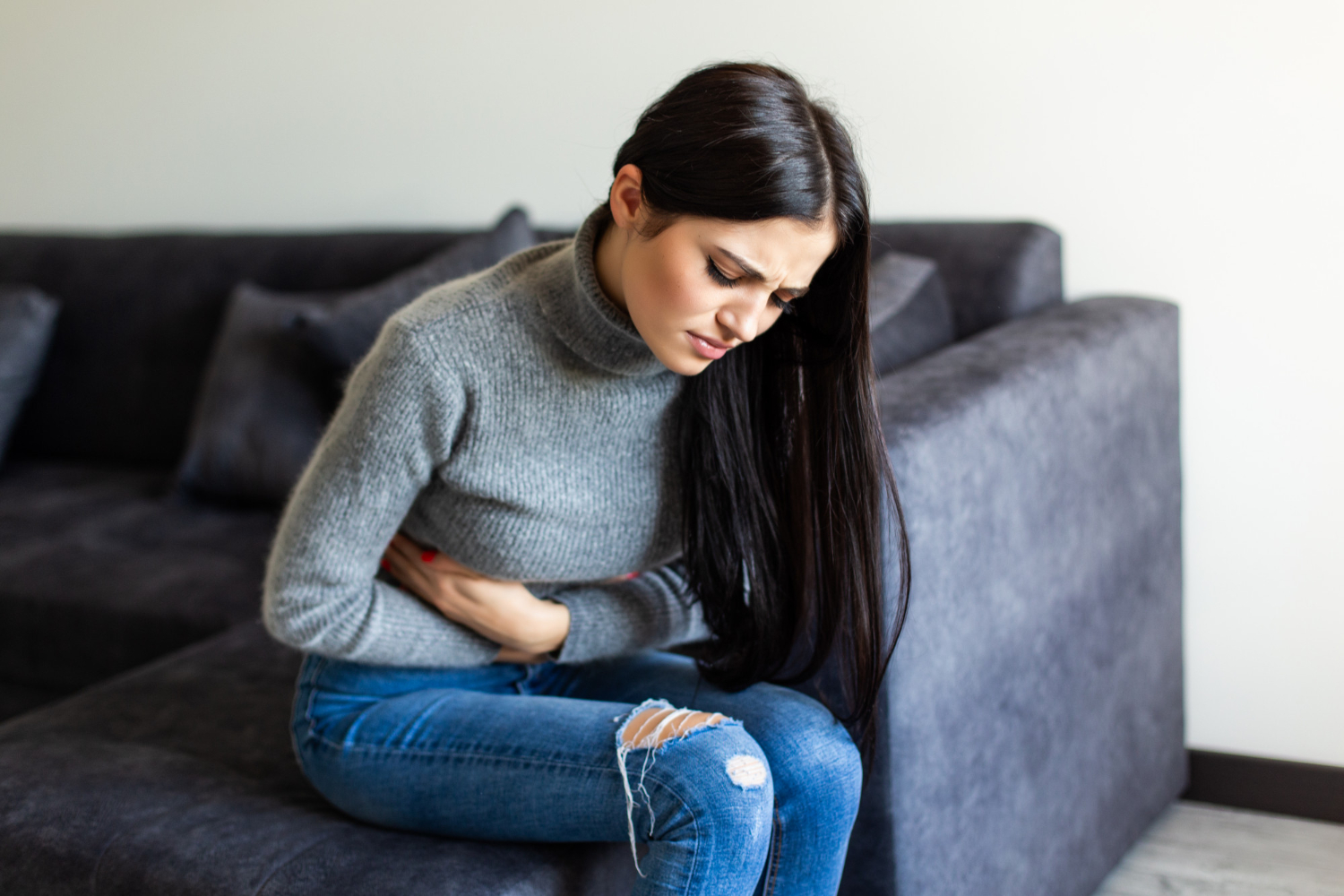
It is often observed that after having heavy or even light meals, many people face severe bloating, constipation and other digestive disorders. Integrative Lifestyle expert Luke Coutinho shares one of the major causes behind such discomfort, which is SIBO or Small Intestinal Bacterial Overgrowth.
SIBO is classified as bacteria belonging in the colon that overgrow in the small intestine, meant to break down food, absorb nutrients and move contents forward. Too much bacteria in the small intestine results in early fermentation, nutrient theft, excess gas, toxin production, gut irritation and slowed motility.
This leads to symptoms such as bloating, bowel changes, pain, fatigue, abdominal distension, excessive gas, constipation, diarrhoea, early satiety, increasing food intolerances and nutrient deficiencies (B12, iron, fat-soluble vitamins).
Moreover, there are certain systemic symptoms of SIBO that might get missed, such as brain fog, anxiety or low mood, skin issues and joint pain.
In a post shared on Instagram, the lifestyle coach writes:
“SIBO is not a deficiency of good bacteria; its a bacteria in the wrong place.”
Know the causes of SIBO
According to Luke Coutinho, the root causes of SIBO are as follows:
1. Impaired Gut Motility
Chronic stress, diabetes, hypothyroidism, ageing, post-infection, etc, often trigger weak or absent Migrating Motor Complex (MMC), causing food or bacteria stagnation.
2. Low Stomach Acid
Long-term PPI use, ageing and zinc deficiency are triggers for less stomach acid that limits bacteria. Low levels of stomach acid permit bacteria to survive and migrate upward.
3. Poor Bile Or Pancreatic Enzyme Flow
Poor bile or enzyme flow reduces bacterial control, leaving undigested food behind, increasing small intestinal overgrowth.
4. Functional or Structural Issues
Functional or physical barriers trap bacteria in the small intestine, such as prior abdominal surgery, adhesions, IBS and diverticula.
SIBO is diagnosed with a breath test where a person drinks a sugar solution (lactulose or glucose), and their breath samples are measured over time.
Treatment for SIBO
In SIBO, probiotics can often worsen the symptoms. Therefore, it is required to manage diet and fermentation, optimise stomach acid, enzymes and bile, reduce overgrowth of bacteria by using herbal or pharmaceutical antimicrobials in a strategic way, restore gut motility, repair gut lining, and use probiotics after SIBO is cleared and motility is restored.
Disclaimer: This content including advice provides generic information only. It is in no way a substitute for a qualified medical opinion. Always consult a specialist or your own doctor for more information. NDTV does not claim responsibility for this information.