



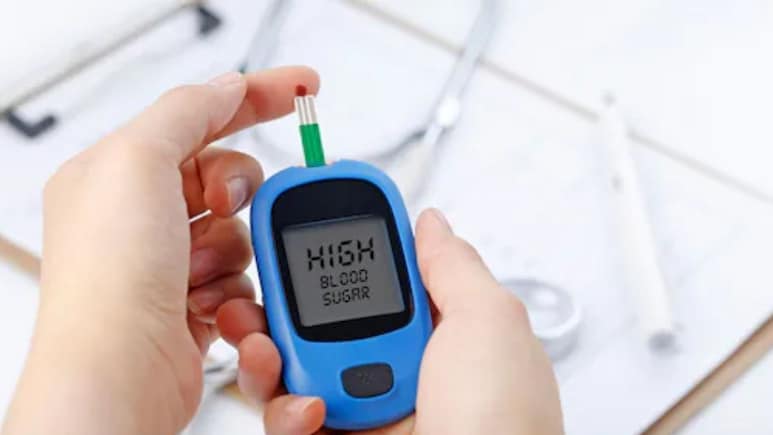
Diabetes is a condition wherein an individual has elevated blood sugar levels. There are different types of diabetes; the most common ones being type 1 diabetes and type 2 diabetes. While type 1 diabetes is an auto-immune condition, type 2 diabetes develops due to varying factors, which includes genetics, body weight, physical activity and more. In both cases, the pancreas is unable to produce enough insulin or when the body cannot use insulin effectively, which causes your blood sugar levels to increase. If blood sugar is not managed well, it can cause severe damage to the body.
The World Health Organization (WHO) says that 14% of adults aged 18 years and older were living with diabetes in 2022. Also, the condition was the direct cause of 1.6 million deaths in 2021. Hence, it is extremely important that you manage the condition as it can cause severe damage to the body. There are several ways to manage your blood sugar, some of which includes dietary tweaks, simple lifestyle changes and more. These help to slow sugar absorption, boost insulin sensitivity, and maintain steady energy. Here are some effective ways to prevent spikes and lower blood sugar levels.
1. Balanced Meals
Make sure to always combine carbohydrates with proteins, healthy fats, and fibre in every meal. This will create a good nutrient combination that prevents glucose spikes. For example, pair whole grains like brown rice or quinoa with lean proteins such as lentils, chickpeas, eggs, or grilled chicken. To this, you can add plenty of vegetables like spinach, broccoli, or cauliflower. This combination helps to slow digestion, preventing the rapid addition of sugars into the bloodstream. When you eat a balanced meal, it can reduce post-meal spikes by 30% or more, as proteins and fats signal the body to release insulin gradually. This habit not just prevents spikes but also helps to keep you satiated, reducing overall calorie intake and helping in weight management.
2. Portion Control
Keep a check on your portion sizes, especially when you're eating carb-rich foods. This will prevent your system from getting overwhelmed with glucose. Even options like fruits, oats, or sweet potatoes can spike levels if you overeat. Hence, aim for half your plate as veggies, a quarter protein, and a quarter carbs. Use tools like measuring cups initially or the hand method; a fist for veggies, palm for protein, cupped hand for carbs, and thumb for fats. Smaller and controlled portion allows your pancreas to handle insulin release.
3. Eat Carbs Last
Reorder your meal sequence. Start with vegetables, salads, or proteins before you eat carbs. This simple hack uses the gut's natural response; non-carb foods fill your stomach first, delaying carb breakdown and lowering glucose spikes by up to 75%. Begin with a fibre such as salad, and then follow with fish or tofu, and end with rice or bread. This mimics a low-glycaemic meal pattern for better insulin action and prolonged fullness.
4. Post-Meal Activity
Engage in light movement like a 10-15 minute brisk walk right after eating. This helps to transport glucose into muscles for fuel. Unlike intense workouts, gentle activity activates glucose transporters without stress hormones that could raise sugar. Even pacing while on a call or household chores works. Make sure to be consistent as it can help drop post-meal levels 20-30% faster.
5. Stay Hydrated
Prioritise hydration with 8-12 glasses of water daily. This helps to dilute blood glucose and improve kidney filtration. Dehydration thickens blood, concentrating sugars and exacerbating spikes. Infuse water with lemon or cucumber for flavour without calories. Herbal teas like green or cinnamon can be beneficial too, providing antioxidants that support metabolic health.
6. Avoid Sugary Drinks
Stay away from sodas, fruit juices, and energy drinks that deliver liquid sugars straight to your liver, causing sudden spikes. Opt for sparkling water, black coffee, or a handful of nuts. These maintain steady levels while curbing hunger.
7. Fibre Boost
Incorporate soluble fibre in your diet. You can get it from oats, chia seeds, beans, or apples with skin. This forms a gel in the gut that traps sugars, slowing absorption and lowering spikes by 10-20%. Start your day with oatmeal topped with berries and nuts for sustained morning energy.
Disclaimer: This content including advice provides generic information only. It is in no way a substitute for a qualified medical opinion. Always consult a specialist or your own doctor for more information. NDTV does not claim responsibility for this information.
Track Latest News Live on NDTV.com and get news updates from India and around the world

