

)
India is currently grappling with a silent gut health crisis, which is affecting how people function daily. People are experiencing acidity or heartburn, with a significant portion of the population reporting daily symptoms of digestive distress. As the search for relief intensifies, the spotlight has shifted toward the efficacy of traditional versus modern fermented options. While the simple bowl of curd (dahi) has been a dietary cornerstone for generations, the global rise of kombucha, which is a fizzy, fermented tea, has introduced a new contender into the Indian probiotic market. For a population battling chronic bloating and indigestion, determining which of these provides a superior microbial punch requires a look at the latest clinical evidence.
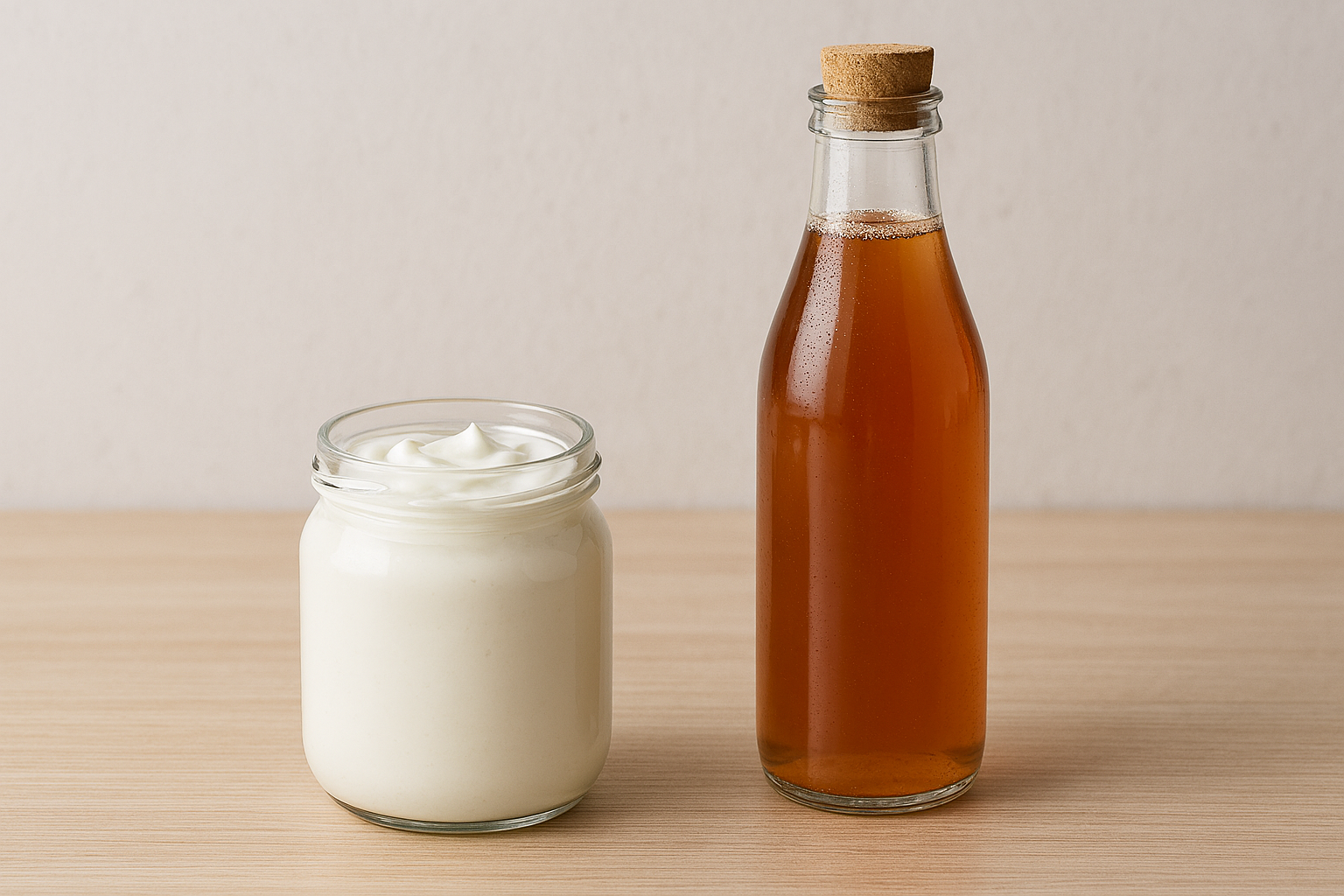
Curd vs Kombucha : Which Has More Probiotics?
To understand the efficacy of curd and kombucha, the focus must be on the diversity and resilience of the microorganisms they possess. The human gut thrives on a wide variety of bacterial strains; the more diverse the intake, the more resilient the digestive system becomes.
1. Microbial Diversity: Volume vs Variety
While curd is a reliable source of probiotics, it typically focuses on a narrow range of bacteria compared to the complex ecosystem found in fermented tea.
- Curd: Consists primarily of Lactobacillus species. According to a study published in Nutrition Reviews, these dairy-based probiotics are exceptional for synthesising B-vitamins and aiding in the digestion of lactose, but the variety is often limited to a few dominant strains.
- Kombucha: Created using a SCOBY (symbiotic culture of bacteria and yeast), kombucha introduces an entirely different range of organisms. A study published in the peer-reviewed journal Scientific Reports found that regular kombucha consumption significantly shifted gut bacteria toward beneficial, short-chain fatty acid-producing taxa, such as Bifidobacterium, which are crucial for metabolic health.
2. Survival Through The Acid Test
A significant challenge for any probiotic is surviving the journey through the stomach's harsh acidic environment to reach the intestines, where they are most effective.
Research featured in Frontiers in Microbiology (2024) tested various yeast strains from kombucha in simulated gastric juices.
The results showed a remarkable 99.6% survival rate after three hours at a highly acidic pH of 2.0. While curd bacteria are also robust, the yeast-bacteria symbiosis in kombucha provides a unique protective matrix that may enhance the delivery of live cultures to the lower gut.
Also Read: Jeera Water vs Saunf Water: Which Is Better At Controlling Blood Sugar?
3. Impact On Functional Gastrointestinal Disorders
For individuals dealing with functional gastrointestinal issues, such as constipation or irritable bowel syndrome (IBS), the physiological impact of these ferments differs.
- Kombucha's Efficacy: A clinical trial published in the Journal of Medicinal Food observed a notable increase in stool frequency and a reduction in bloating symptoms among participants with constipation-predominant digestive issues within two weeks of daily kombucha intake.
- Curd's Role as a Soother: Curd remains the superior "soothing" agent. Its calcium-rich, alkaline nature acts as a natural buffer, providing immediate relief from the high prevalence of acidity reported in recent health data.
Dr D. Nageshwar Reddy, Padma Bhushan Awardee, Chairman of the Asian Institute of Gastroenterology and AIG Hospitals, Hyderabad, and Senior Consultant Gastroenterologist, explains, "Fermented foods containing live bacteria play an important role in maintaining gut health. Natural probiotics such as curd help improve digestive balance by supporting healthy gut bacteria and reducing gut inflammation."
Assessing The Side Effects: Sugar And Bioavailability
No functional food is without its side-effects. The primary concern with kombucha is the residual sugar content. While the fermentation process consumes much of the sugar, commercial varieties often contain added sweeteners that can paradoxically disrupt gut flora if consumed in excess.
Conversely, while curd is naturally low in sugar, its dairy base is a hurdle for a significant portion of the Indian population with lactose sensitivity. For these individuals, kombucha serves as a vital dairy-free alternative to achieve a significant microbial boost without the risk of inflammatory dairy responses.
Also Read: Curd Rice vs Lemon Rice: Which Keeps Your Blood Sugar Stable?
The Verdict: A Complementary Approach
Rather than choosing a single probiotic-rich food, the most effective strategy for the Indian gut involves a rotation of both ferments to maximise microbial variety.
- Curd is best consumed during the day as a coolant to prevent midday acidity and aid in the absorption of fat-soluble vitamins from the meal.
- Kombucha serves as an excellent replacement for sugary post-meal beverages, providing a diverse array of yeast and organic acids that support detoxification and metabolic rhythm.
In conclusion, it can be said that curd and kombucha can provide unique health benefits for the gut with their respective probiotics. But balancing their intake is key to balancing the dose of goodness for the betterment of the gut microbiota. But being aware of the side effects is necessary to practise a safe consumption approach.
Disclaimer: This content, including advice, provides generic information only. It is in no way a substitute for a qualified medical opinion. Always consult a specialist or your own doctor for more information. NDTV does not claim responsibility for this information.