

)
The Directorate of Public Health and Preventive Medicine (DPH) of Tamil Nadu has issued an alert amid rise in chikungunya cases across the state. DPH has ordered district administrations and urban health bodies to step up monitoring, diagnosis and mosquito-control efforts to curb further transmission. There has been a rise in cases in districts such as Chennai, Villupuram, Tenkasi, Theni, Cuddalore, Chengalpattu, Kancheepuram and Ariyalur. Health officials said increased vigilance was important as seasonal conditions remain favourable for vector breeding.
Health authorities underlined that timely reporting by all government and private hospitals, as well as diagnostic laboratories, was mandatory to enable early interruption of transmission. Any delay in reporting, officials cautioned, could allow the virus to spread rapidly within communities. Field officials have also been instructed to collect sufficient blood samples in fever-prone areas and ensure laboratory confirmation using IgM ELISA tests.
What Is Chikungunya?
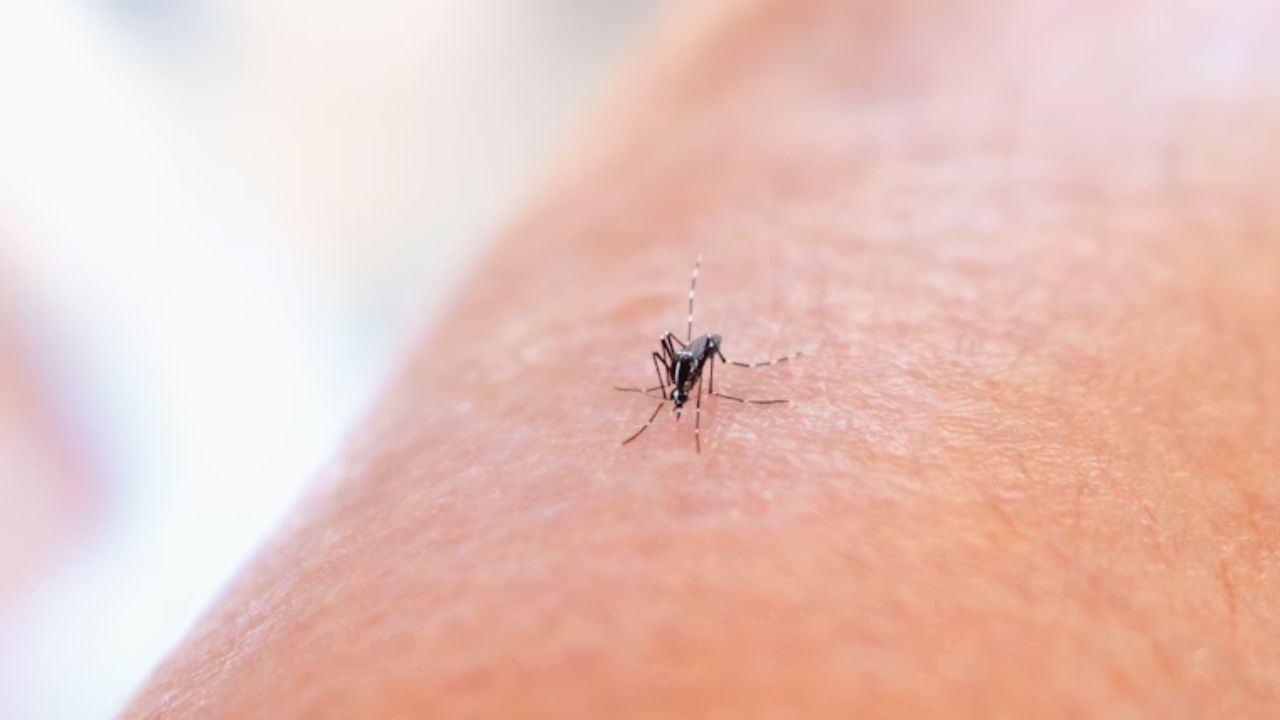
Chikungunya is a mosquito-borne viral disease that is caused by the chikungunya virus. It is transmitted to humans through the Aedes aegypti mosquito and Aedes albopictus mosquito. The World Health Organization (WHO) says that the infection happens only when a mosquito with the virus bites a person. The virus doesn't spread from person to person through bodily contact or saliva, however, blood transmission may be possible. There is no medication to treat chikungunya. Treatment focuses on managing your symptoms. Most people recover from the illness in about one week, but some have lasting joint pain.
Symptoms Of Chikungunya
Most people develop symptoms between three and seven days after the mosquito bite. However, some people might develop symptoms as early as two days or as long as 12 days after a mosquito bite.
Some of the most common symptoms of chikungunya are fever and joint pain. But the intensity of symptoms can vary depending on the person. According to Cleveland Clinic, many people may feel crippling joint pain. "The fever usually begins suddenly." The other symptoms of chikungunya include:
- Headache
- Muscle pain
- Swelling in your joints
- Rash
- Fatigue
- Nausea
Causes Of Chikungunya
A bite from a mosquito that's infected with the virus causes a person to get the virus. The virus spreads through mosquito bites, not from person to person through bodily fluids or contact. This means if you're sick with chikungunya, you won't pass it on to a caregiver or family member. Cleveland Clinic also explains that there have been reports wherein healthcare providers got the virus handling the blood of an infected person. "This means transmission through blood is possible, but rare."
Preventive Measures For Chikungunya
The US FDA in late 2023 approved a vaccine for chikungunya called IXCHIQ, manufactured by Valneva. In December 2024, the company announced an exclusive partnership with the Serum Institute of India (SII) to license, develop, and distribute their single-dose vaccine in India. Since the vaccine is only available for adults, it is important to take necessary precautions to prevent the spread. Here are some preventive measures for chikungunya.
- Using mosquito repellent: Sprays, creams, candles and other devices can help to keep away mosquitos.
- Protective clothes: Wearing clothes that cover your arms, legs, hands and feet. There are also sprays you can apply directly to your clothing.
- Standing water removal: Remove standing water from areas around your home. There are places where you might see stagnant water and these include planters, old tires, buckets, birdbaths or any other container that can hold still water. Mosquitos are likely to lay eggs in or near water.
- Protective covers: Cover strollers, wagons and tents with mosquito netting.
- Window sealing: Make sure your windows and doors are closed or that you have screens to keep mosquitos out.
- Stay indoors when possible.
Cleveland Clinic recommends that people with the infection should avoid getting additional mosquito bites during the first week of the illness. "This is because a noninfected mosquito could get the virus from you and become infected. That mosquito could then go on to bite other people and spread the virus."
Disclaimer: This content including advice provides generic information only. It is in no way a substitute for a qualified medical opinion. Always consult a specialist or your own doctor for more information. NDTV does not claim responsibility for this information.