

)
Diabetes is a growing public health concern that is under the spotlight due to its high load on the medical infrastructure in India. According to the International Diabetes Federation, the exact figure of diabetes lies somewhere around 89.8 million; this is an estimate of diabetes cases in adults between the ages of 20 and 79 years. One of the most important factors in effective diabetes management is dietary intervention, which determines long-term health and well-being. Diabetes causes issues with blood sugar fluctuations and complications affecting the heart, kidneys, eyes, nerves, and feet. For diabetics in India, dairy is a dietary staple, but the main question lies in which type of dairy is better for you, paneer or cheese?
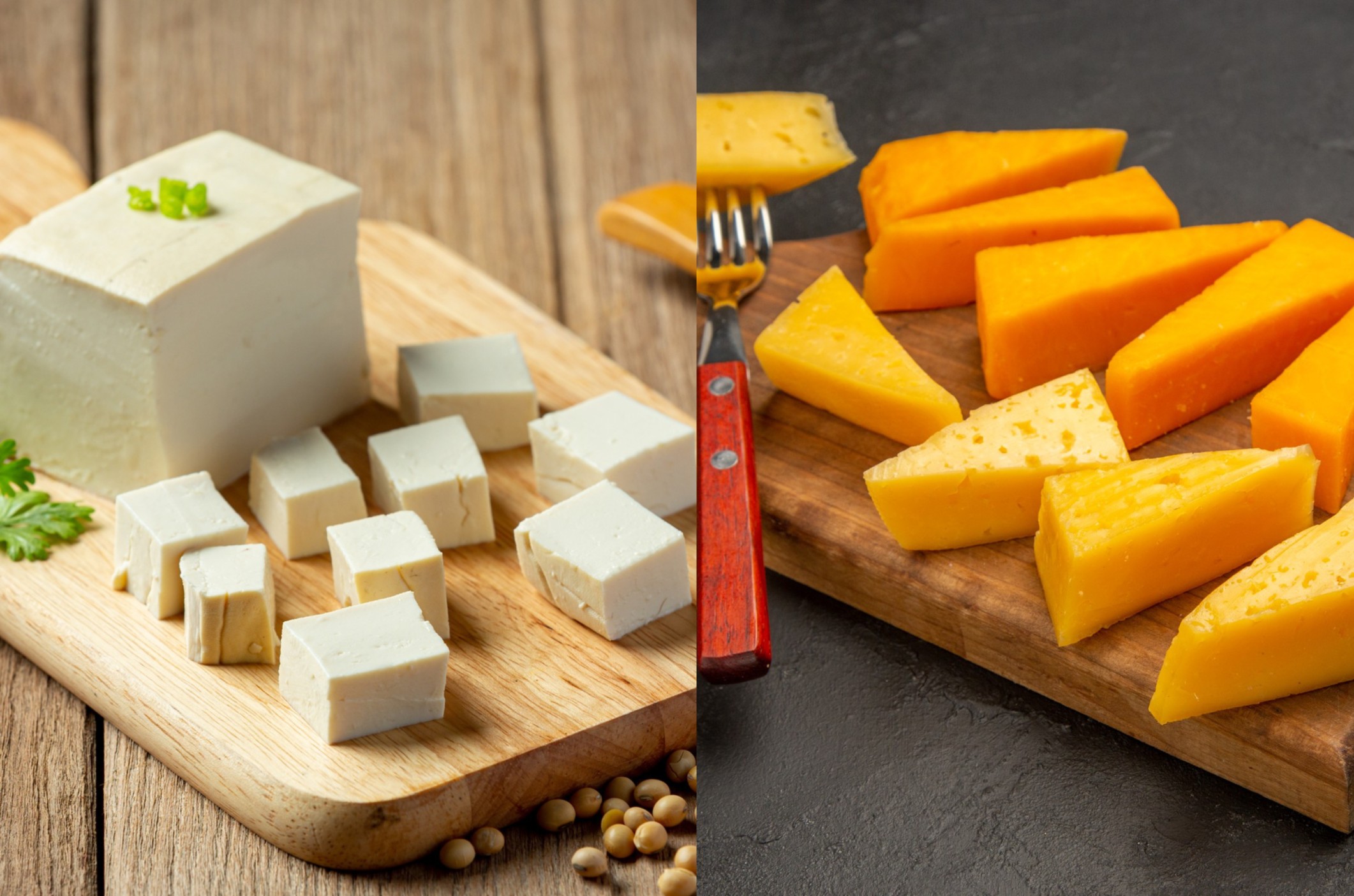
Cheese Vs Paneer: Which Is A Better Option For Diabetics?
Both of these choices have their own place in a nutritional chart for a diabetic patient. According to the United States Department of Agriculture (USDA) and recent Indian medical research, paneer provides about 18 to 20 g of protein per 100 g, with moderate fat and minimal carbs, making it suitable for diabetics and those seeking balanced nutrition. The main difference in consuming paneer is the way it is prepared and absorbed by the body. Not all paneer is the same once consumed, and when it is consumed also matters a great deal.
Cheese is nutrient-dense, offering high protein and calcium, but also significant saturated fat and sodium. According to USDA and Indian medical research, cheese provides about 403 kcal, 25 g protein, and 33 g fat per 100 g, making it energy-rich but requiring moderation in Indian diets, especially for diabetics and those with heart disease. Here is a comparison that can help you make a decision, but medical guidance is required for the best results:
- Paneer: low carb, moderate protein, less fat - these aspects are present in fresh Indian cottage cheese.
- Cheese: Higher in protein, but often high in saturated fat and sodium. The main distinction lies in consuming fresh cheese and processed cheese like slices, cubes, or whole blocks.
- Processed cheese: this form of chesse is unhealthy because of the stripping of the natural goodness of vitamin D due to its processing. And the addition of preservatives (sorbic acid, nisin), emulsifiers, and food colouring to extend shelf life. It is also higher in sodium, which can be problematic for hypertension and diabetes.
So, consuming a moderate or small intake of fresh cheese is best, but do consult a medical professional for the right dose if you are diabetic.
Read More: Paneer For Protein? Expert Warns It's Not Ideal For Weight Loss And Offers Vegetarian Alternative
Health Benefits Of Consuming Paneer For Diabetics
A moderate level of paneer is normally advised for people with diabetes, but the right dose for you needs to be tailored to your body and lifestyle. Paneer doesn't agree with people who are lactose-intolerant or have general issues with their digestion. It is normally advised that paneer is heavy on digestion, so it should not be consumed at night but instead during lunch or for breakfast to avoid discomfort. According to the Indian Council of Medical Research and the National Institute of Nutrition (2024), which details the dietary guidelines for Indians. Here are the benefits of eating paneer for people with diabetes:
- It has a low glycaemic index, which means it slowly releases energy and slowly raises blood sugar.
- Supports satiety or the feeling of fullness, as it is affordable and easily accessible in India.
- Paneer functions like a cooling food and can be consumed as part of a balanced diet.
Read More: These Combinations Of Paneer Can Lead To Weight Gain And Bloating, Says Nutritionist
Health Benefits Of Consuming Cheese For Diabetics
Cheese is considered generally safe for diabetics when eaten in moderation because it is low in carbohydrates and has a low glycaemic index, meaning it doesn't cause sharp spikes in blood sugar. However, its high fat and sodium content mean portion control and choosing healthier varieties are important. It is imperative that you choose fresh varieties over processed ones and consult a dietician for the right dose for you based on the health benefits. These health benefits are as follows:
- According to the Journal of Dairy Science, moderate cheese intake may be associated with a lower risk of type 2 diabetes, possibly due to beneficial fatty acids and protein.
- Cheese is high in protein and rich in calcium and vitamin D, which nourish the body as a whole.
- Cheese typically contains only 1-2 g of carbohydrates per 100 g, making it blood sugar-friendly.
Which Is Better: Paneer Or Cheese?
Both varieties are healthy based on their intended uses. Here is how you can make a choice:
- Paneer is better for daily consumption in Indian diabetic diets.
- Cheese can be consumed occasionally in moderation to modulate the risks, and consult a dietitian and medical professional for a safe dose.
How To Include Paneer And Cheese In A Diabetic Diet
- There are various ways to make paneer and cheese a part of a daily diet. Here are some forms that may prove useful:
- Paneer bhurji, grilled paneer, or a simple paneer salad.
- Limited cheese usage to enhance taste in sandwiches, salads, or healthy snacks.
Paneer is the safer, healthier choice for diabetics in India, but the exact dose matters. Cheese can be enjoyed occasionally, but paneer should be the staple. But make sure the paneer in your fridge is made from quality milk and stored correctly to avoid spoilage.
Disclaimer: This content, including advice, provides generic information only. It is in no way a substitute for a qualified medical opinion. Always consult a specialist or your own doctor for more information. NDTV does not claim responsibility for this information.