

)
Matcha, a finely milled green tea powder originating from Japan, has surged in global popularity thanks to its well-documented health benefits. It is known for its distinct grassy flavor, matcha is now a staple not only in coffee shops worldwide but also in online stores catering to wellness enthusiasts. Meanwhile, in India, mental health challenges such as stress, depression, and anxiety affect approximately 10 to 12 percent of the population. These issues significantly impact workplace productivity, with losses estimated to exceed 100 million dollars annually. As the search for effective daily stress and anxiety management continues, matcha is emerging as a promising natural aid. Consumed in appropriate doses, it may help improve mood, reduce stress, and support overall well-being, potentially offering relief for millions facing mental health struggles.
Matcha For Stress Relief
The presence of L-theanine in matcha powder can help calm the nervous system, which goes haywire when it is under stress. When the body is under duress from increased stress, L-theanine in matcha works as a system, as an anti-stressor. Studies noted a significant reduction in stress response and stress hormone regulation in healthy adults after consuming an L-theanine-based drink. Not only does this compound lower stress levels, but it also has a positive impact on the neural pathways that become inflamed when there is chronic inflammation in the body due to chronic stress.
Here are some additional ways that matcha works for stress relief:
- Balanced caffeine effect: Unlike coffee levels, which cause sudden spikes and crashes in the attention span, matcha's caffeine is supplemented by L-theanine. Thus, it reduces jitteriness and supports sustained focus.
- Antioxidant support: Indian pharmacology reviews emphasise coffee, emphasising that catechins in matcha reduce oxidative stress, which is linked to anxiety and fatigue.
- Improved attentional function: Controlled trials show matcha helps maintain attention under mild psychological stress, useful for reducing stress, especially for students and working professionals.
- Potential for workplace stress: Indian lifestyle medicine papers suggest matcha consumption may aid the urban populations facing high work-related anxiety.
Matcha And Anxiety Management
The National Mental Health Survey was conducted in 2016, which showed that 10.6% of the population suffered from mental health disorders. This percentage has only multiplied as the Covid-19 pandemic has led to extreme isolation and limited physical activity in social settings. This has led to an exponential rise in anxiety and anxiety-related disorders. This is where functioning remedies like matcha can be helpful. Clinical trials have shown that L-theanine, which is present in abundance in matcha, can lead to a reduction in anxiety symptoms.
For instance, a study found that 400 mg/d of L-theanine, when used as part of treatment for anxiety-related disorders, recorded a lowering of anxiety scores.
Another study indicated that 200 mg/day of L-theanine administration could also decrease scores on the State-Trait Anxiety Inventory, a measure of stress-related symptoms, in healthy adults.
Furthermore, L-theanine has been observed to reduce stress responses and stress hormone levels in healthy adults when exposed to cognitive stressors.
This combination of compounds in matcha can lead to a lowering of stress levels while improving focus and clarity.
Read More: Can Green Tea Help Lower Cholesterol? How Much Should You Drink?
Nutritional Profile Of Matcha
According to the National Institute of Nutrition, matcha is suitable for the Indian population, but in controlled amounts. And it is only suitable for people who don't have an intolerance or allergy to matcha, as some people can develop serious side effects if they consume matcha powder. A detailed breakdown of the nutritional profile is as follows:
- Polyphenols (Catechins): Especially epigallocatechin gallate, a powerful antioxidant, are plant chemicals in matcha that help protect cells from free radical damage. These compounds can reduce stress levels when consumed in high-quality matcha powders.
- Amino acids: High in L-theanine, which promotes relaxation and reduces overall stress.
- Caffeine: Provides alertness and energy, balanced by L-theanine for calm focus.
- Chlorophyll: Gives matcha its vibrant green colour and supports detoxification.
- Vitamins: Contains vitamin C, vitamin A, and small amounts of B-complex vitamins.
- Minerals: Includes potassium, calcium, magnesium, iron, and zinc.
- Dietary fibre: Supports digestion and gut health.
- Antioxidant capacity: Higher than regular green tea due to whole leaf consumption. Matcha is prepared from grinding whole green tea leaves into an extremely fine powder.
Read More: Green Tea Allergy Is Real: Here's How To Tell If You Have It
How To Consume Matcha Easily
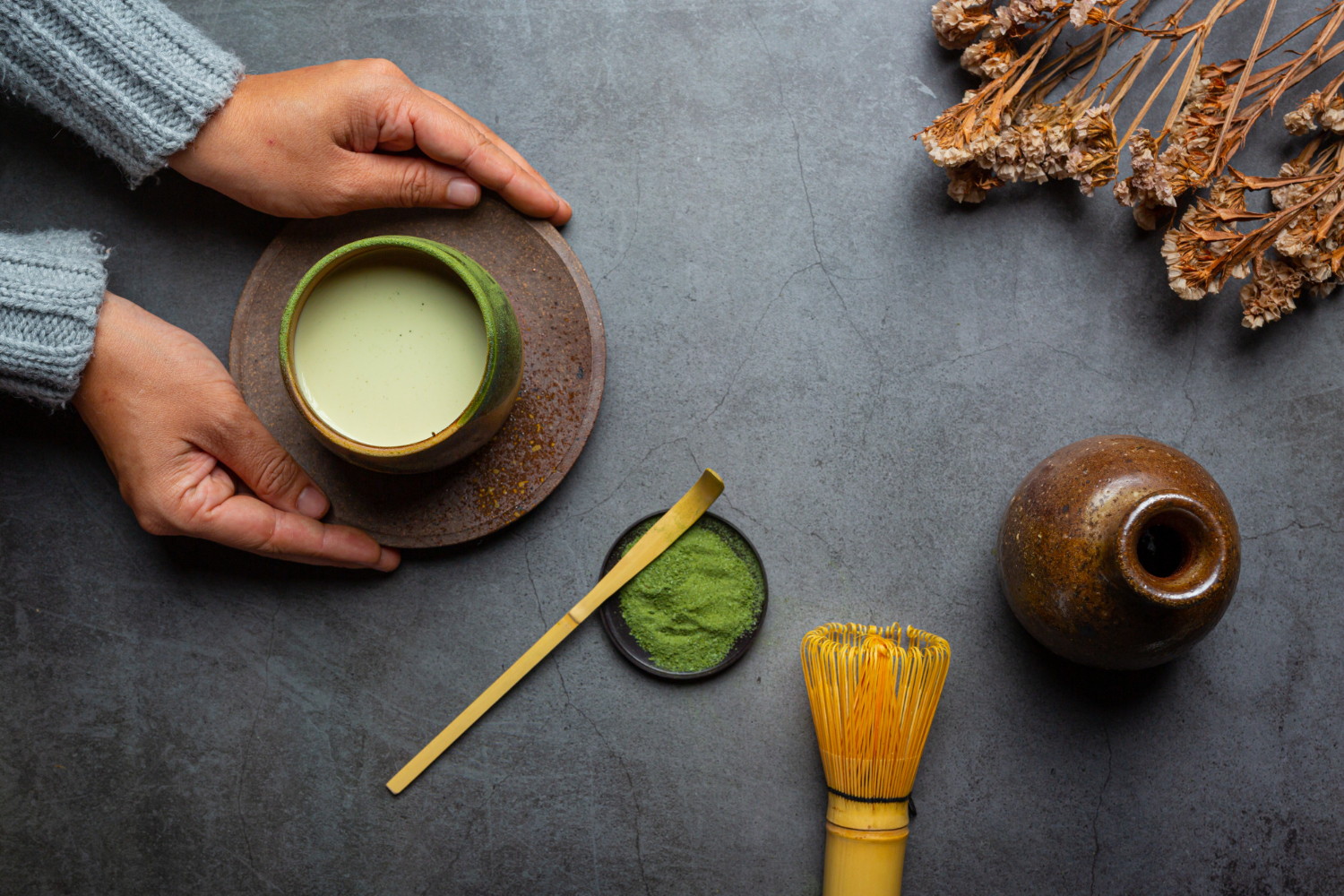
There are various forms of matcha on the market and in related markets, and people can take whichever form is suitable for their body. But the most premium form of matcha is the finest powder that hails from Japan and can be consumed only after mixing it in a ceramic bowl with a bamboo mixer. This step enhances the absorption quality of the helpful compounds in matcha, a market matcha, as it has a grassy aftertaste. matcha aftertaste. Here are some easy ways to make matcha a part of your diet:
- Matcha lattes aftertaste. Lattes, which are widely popular with all age groups, are easily available in coffee shops and bakeries.
Tip: Check the quality of the matcha powder depending on where it is being used. Make sure that it is in groups, is in powder form, and is not from a syrup, which strips the natural compounds in matcha that have health benefits.
- Smoothies are an easy drink that combines the health benefits of matcha with milk, but are not suitable for people who are lactose intolerant. You can try alternative milks like oat, almond, or cashew milk as a base for a matcha smoothie, but make sure it has a controlled amount, as excessive doses can cause side effects.
- Ayurvedic, the traditional Indian medicine system, has particular matcha blends that combine it with ingredients like orange peels and any other supportive flavour-enhancing ingredients.
Read More: Indian Researches Develop Green Tea-Based Nanoparticle Therapy For Alzheimer's
Precautions To Take With Matcha Consumption
The most important aspect of matcha consumption is moderation and duration. People can effectively swap the second cup of coffee or tea with a matcha drink, as the caffeine in matcha doesn't disturb sleep, nor does it stay in the system for seven to eight hours.
- Even though matcha has numerous health benefits, it is not a substitute for medical treatment.
- Matcha is a complementary aid for stress and anxiety relief, but is not suitable for people who are intolerant or allergic.
The main safety precaution to follow with matcha intake is moderation and only using a small amount to prepare the drink. Regulated matcha ingestion can lower anxiety and stress, but only when consumed in combination with a healthy, balanced, nutritious diet and plenty of physical activity.
Disclaimer: This content, including advice, provides generic information only. It is in no way a substitute for a qualified medical opinion. Always consult a specialist or your own doctor for more information. NDTV does not claim responsibility for this information.