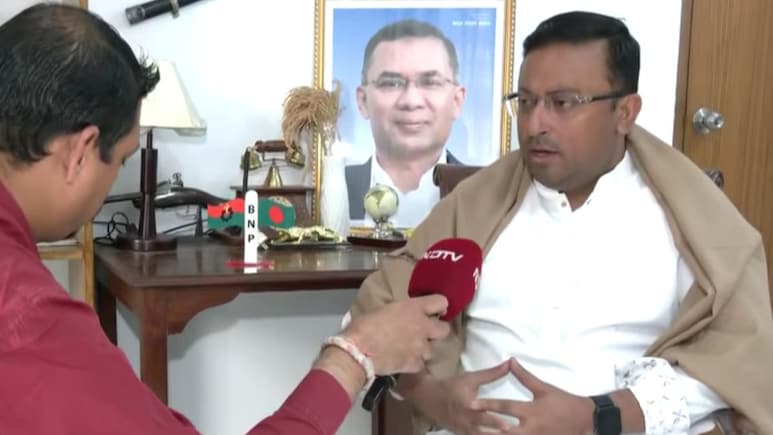
The new Bangladesh government led by Tarique Rahman's BNP wants to build people-to-people ties with neighbouring India and strengthen bilateral relationship through trade and investments, a top aide of Rahman told NDTV.
Humayun Kabir, who handles international relations for Rahman and is set to be a key official in the new regime, said the priority is to build a "stronger cooperation among our people."
He said India will be one of the countries that "we will visit", though he did not give a definite time.
"Obviously there are certain domestic priorities and then international engagements. Of course India will be one of the countries that we will visit among other countries in the region," Kabir told NDTV.
"It is normal to have relations both ways in terms of bilateral visits to India and Indian government, senior government officials visiting Bangladesh. But what we want is to broaden the net of that relationship to people across the board, not limited," he said.
Pivoting To Pakistan?
Bangladesh was seen to be inclined toward Pakistan, at the cost of India, while under the care of the interim administration of Muhammad Yunus. To a question on this matter, Kabir gave a measured reply: "I think it's normal and we need to normalise relations in the region and regardless of the tensions between India and Pakistan, for us it is not to take sides on this issue."
"We will have relationships on the basis of mutual respect and national interest," he said.
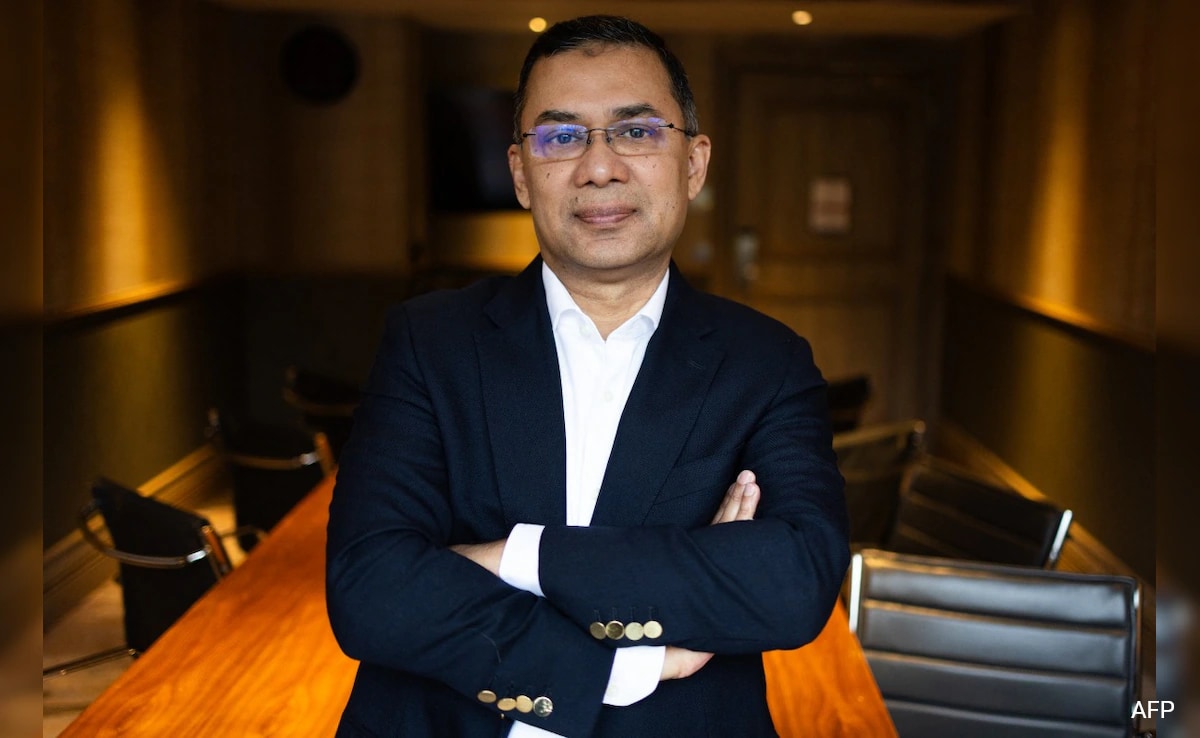
He faulted former prime minister Sheikh Hasina for maintaining what he claimed was an opaque foreign policy.
"It was just a one-way relationship between India and Sheikh Hasina, people saw that in a very bad light. We want to move away from any country-centric foreign policy or country-dependent foreign policy," Kabir said.
India is weighing its next steps with cautious optimism after the decisive electoral verdict in Bangladesh that handed a landslide victory to the Bangladesh Nationalist Party (BNP), ending a turbulent interim phase and reopening the door for a diplomatic reset between New Delhi and Dhaka.
From New Delhi's strategic perspective, the election outcome marks a clear break from the interim administration led by Muhammad Yunus, a phase Indian officials privately describe as deeply disruptive.
The focus now shifts to Rahman, whom Indian officials describe as someone they are "cautiously optimistic" about. While acknowledging past differences with BNP governments, New Delhi believes Rahman may take a more pragmatic diplomatic and political approach, driven by economic realities and regional stability considerations.
Track Latest News Live on NDTV.com and get news updates from India and around the world


