
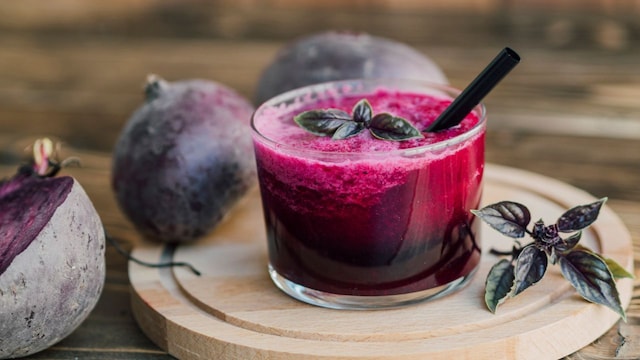
High blood pressure is one of the most common health concerns among older adults. It increases the risk of heart disease, stroke, and other serious conditions. While medicines and lifestyle changes remain the main ways to control blood pressure, researchers are continuing to explore whether certain foods can provide extra support. Now, a new study from the University of Exeter suggests that beetroot juice may be one of those foods. Researchers found that older adults who drank nitrate-rich beetroot juice for two weeks experienced a noticeable reduction in blood pressure. The findings also revealed that the benefits may be linked to changes in the bacteria living inside the mouth.
What Did The Study Find?
The study, published in Free Radical Biology, involved 75 participants. 39 of them were under the age of 30, while 36 were in their 60s and 70s. Researchers wanted to understand how dietary nitrate affects blood pressure and whether age makes a difference in how the body responds.
Participants were asked to drink concentrated beetroot juice twice a day for two weeks. They also completed a separate two-week period during which they consumed a placebo version of the juice that had the nitrate removed. A washout period separated the two phases to ensure accurate results.
The results found that older adults experienced a reduction in blood pressure after consuming the nitrate-rich beetroot juice. However, younger adults did not show the same improvement. Researchers believe this difference may be linked to age-related changes in the body's ability to produce nitric oxide, a compound that helps blood vessels relax and widen.
Why Is Beetroot Juice Helpful?
Beetroot is naturally rich in nitrates. When people consume nitrate-rich foods, the body converts these compounds into nitric oxide. Nitric oxide plays an important role in maintaining healthy blood vessels and supporting normal blood flow. When blood vessels relax, blood pressure levels also reduce.
Scientists have known for years that nitric oxide is important for cardiovascular health. What makes this new study interesting is the discovery that bacteria in the mouth appear to play a major role in the process. Certain oral bacteria help convert dietary nitrates into forms that the body can use to create nitric oxide.
As people age, nitric oxide production naturally declines. This may explain why older adults responded more strongly to beetroot juice than younger participants. The additional nitrate from beetroot may help compensate for this decline and support healthier blood vessel function.
Study author Professor Anni Vanhatalo, of the University of Exeter, said, "We know that a nitrate-rich diet has health benefits, and older people produce less of their own nitric oxide as they age. They also tend to have higher blood pressure, which can be linked to cardiovascular complications like heart attack and stroke. Encouraging older adults to consume more nitrate-rich vegetables could have significant long term health benefits. The good news is that if you don't like beetroot, there are many nitrate-rich alternatives like spinach, rocket, fennel, celery and kale."
The Surprising Role Of Mouth Bacteria
One of the most important findings from the study involved the oral microbiome, which refers to the community of bacteria living in the mouth. Researchers found that beetroot juice changed the balance of these bacteria in older adults.
After two weeks of drinking nitrate-rich beetroot juice, levels of a bacterial group called Prevotella decreased, while beneficial bacteria such as Neisseria became more common. These beneficial bacteria are known to help with nitrate conversion, making it easier for the body to produce nitric oxide.
This suggests that beetroot juice may not only provide nitrates directly but may also improve the body's ability to process them by supporting helpful oral bacteria. Researchers believe this connection between diet, mouth bacteria, and blood pressure could become an important area of future health research.
Should Older Adults Start Drinking Beetroot Juice?
The findings are encouraging, but experts say beetroot juice should not be viewed as a replacement for prescribed blood pressure medication. The study was relatively small, and larger trials are needed to confirm the results and determine who may benefit the most. However, adding nitrate-rich vegetables to the diet may be a simple and healthy step for many people. Besides beetroot, foods such as spinach, arugula, kale, celery, and fennel also contain high levels of nitrates.
Disclaimer: This content including advice provides generic information only. It is in no way a substitute for a qualified medical opinion. Always consult a specialist or your own doctor for more information. NDTV does not claim responsibility for this information.