

)
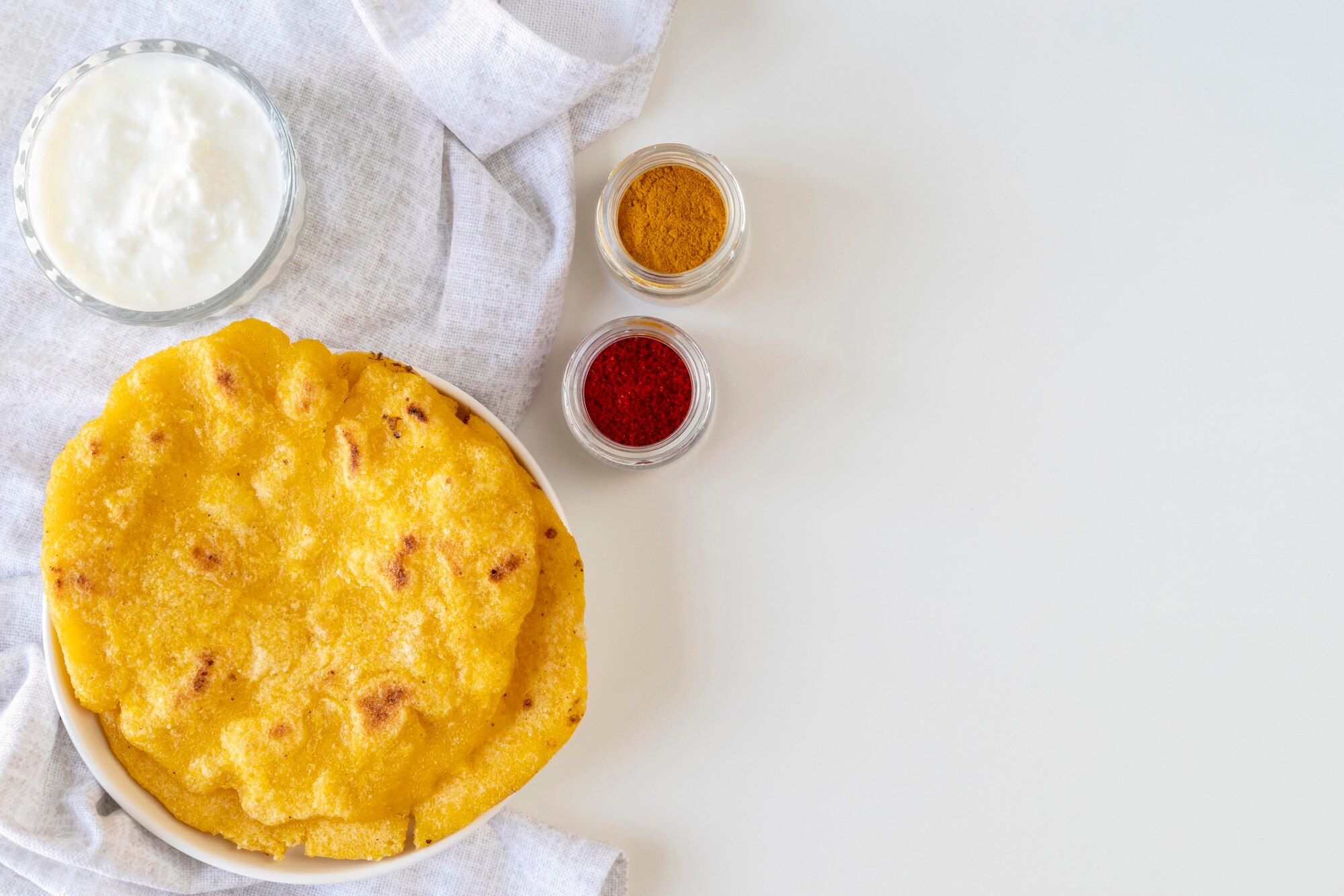
As the winter chill settles over North India, fresh makki ki roti (maize flour flatbread) being prepared on a tawa becomes a common seasonal delight. Traditionally, it is paired with sarson ka saag and a dollop of white butter, making it the ultimate comfort food for many. However, for the 89.8 million Indians living with diabetes, as reported by the Indian Diabetes Federation, every seasonal delicacy comes with a side of caution. The question often arises: does this golden-hued roti fit into a diabetic-friendly diet, or is it a hidden sugar spike waiting to happen? Let's find out here.
Is Makki Ki Roti Safe for Diabetics?
The short answer is yes, but there are essential safety guidelines to consider. Unlike refined flour (maida), which is not recommended for blood sugar management, maize flour is a whole grain. This ancestral grain can provide multiple health benefits for those who are pre-diabetic or managing their health condition. Here are some specific ways maize flour roti can help diabetics:
1. The Glycaemic Index (GI) factor
The GI measures how quickly a food raises blood glucose levels. Maize flour has a GI ranging from 52 to 60, placing it in the low-to-medium category for blood sugar spikes. According to research published in the Indian Journal of Endocrinology and Metabolism, substituting high-GI foods like white rice and refined wheat with medium-GI grains like maize can significantly improve long-term glycaemic control.
2. Fibre content
Maize flour is naturally high in dietary fibre, which acts as a "speed bump" for sugar, slowing its absorption into the bloodstream. This prevents the sharp insulin spikes that diabetics strive to avoid.
3. Resistant starch
Maize contains resistant starch, which isn't fully broken down or absorbed by the body. A study conducted by the Indian Council of Medical Research (ICMR) suggests that resistant starch can improve insulin sensitivity, making it a valuable addition to a metabolic-friendly diet when consumed in moderation.
Read More: Does Methi Water On An Empty Stomach Help With Weight Loss And Diabetes?
5 Other health benefits of maize you should know
Beyond blood sugar management, maize flour can offer a powerhouse of nutrients that cater to overall wellness.
1. Boost eye health
Maize is exceptionally rich in lutein and zeaxanthin, two compounds that give the maize flour its distinct colour and are vital for eye health. These antioxidants help protect the retina from oxidative damage and may reduce the risk of age-related disease that damages the macula, the central part of the retina that helps you see details.
2. Naturally gluten-free
For those with celiac disease or gluten sensitivity, maize flour is a natural saviour. It allows people to enjoy a hearty "roti" experience without the digestive distress caused by wheat-based gluten.
3. Rich in essential B-vitamins
Maize is a good source of vitamin B1 (thiamine) and vitamin B9 (folate). Thiamine is essential for energy metabolism and cognitive function, while folate is crucial for DNA repair and healthy red blood cell formation.
4. Heart health and cholesterol
The fibre in maize helps lower LDL (bad) cholesterol levels, supporting heart health by keeping arteries clear.
5. Energy powerhouse
As a complex carbohydrate, maize provides sustained energy, helping to keep you satiated and reducing the urge for unhealthy snacks.
Read More: Can Eating Bajra Roti Daily Help With Weight Loss? Millets Expert Shares Essential Tips
How to eat makki ki roti the right way
To ensure your winter meal remains healthy, it's important to consider how you prepare and pair your roti. Here are some practical tips for preparing maize flour flatbread:
- The power pairing: Always pair your roti with fibre-rich greens like sarson ka saag or palak. The high fibre in the greens further slows down the digestion of the maize flour.
- Don't skip the fat: A small amount of healthy fat, like homemade ghee or white butter, can actually lower the overall glycaemic load of the meal. These fats slow down gastric emptying, leading to a more gradual rise in blood sugar.
- The "missi" twist: If you are a brittle diabetic (someone whose sugars swing easily), try mixing maize flour with besan (gram flour). As besan has an even lower GI, and adds a protein punch to your meal.
- Portion control: Even healthy food can be detrimental in excess. Limit yourself to one or two medium-sized rotis and fill the rest of your plate with seasonal vegetables and protein.
While maize is beneficial, it is important to remember that it is still a carbohydrate-rich grain. Overindulgence can lead to weight gain and elevated sugar levels, which can negate the health benefits. Studies suggest that you should monitor your post-meal blood sugar levels when introducing any "new" staple into your diet to see how your body reacts.
Disclaimer: This content, including advice, provides generic information only. It is in no way a substitute for a qualified medical opinion. Always consult a specialist or your own doctor for more information. NDTV does not claim responsibility for this information.