

)
A University of Glasgow-led study in Nepal will test whether returning to traditional diets can prevent and even reverse type-2 diabetes. Researchers say cutting processed foods and modest weight loss could offer a low-cost solution for South Asia.
As type-2 diabetes rates surge across South Asia and other low- and middle-income regions, researchers are increasingly questioning whether modern, processed diets are fuelling a largely preventable epidemic. A new international study led by the University of Glasgow, in collaboration with Dhulikhel Hospital in Nepal, aims to test whether a return to traditional food patterns could help curb the growing burden of the disease.
The four-year initiative, called the CoDIAPREM project, will run from 2026 to 2030 and is funded by a £1.78 million grant from the Howard Foundation. Led by diabetes and human nutrition expert Professor Michael Lean, the study will evaluate whether community-led adoption of traditional diets can both prevent type-2 diabetes and achieve long-term remission in people already living with the condition.
The research comes at a critical moment. Type-2 diabetes, once rare in countries like Nepal, has risen sharply following the introduction of energy-dense, ultra-processed foods and widespread weight gain. With medication costs often unaffordable, researchers say diet-based, low-cost interventions could be a game-changer for millions.
Also Read: Diabetes: 7 Effective Ways To Prevent Spikes, Lower Blood Sugar Levels
Why Nepal Became the Focus of the Study
Until a few decades ago, type-2 diabetes was uncommon in Nepal. Despite a genetic predisposition seen across South Asian and indigenous populations, the disease only became widespread after dietary patterns shifted towards processed, high-calorie foods, researchers note.
Today, an estimated one in five Nepalese adults over the age of 40 is affected by type-2 diabetes. At the same time, long-term medication and monitoring remain financially out of reach for many patients. According to the research team, Nepal's experience mirrors what is happening across much of South Asia, including India, where traditional diets are increasingly replaced by packaged and refined foods.
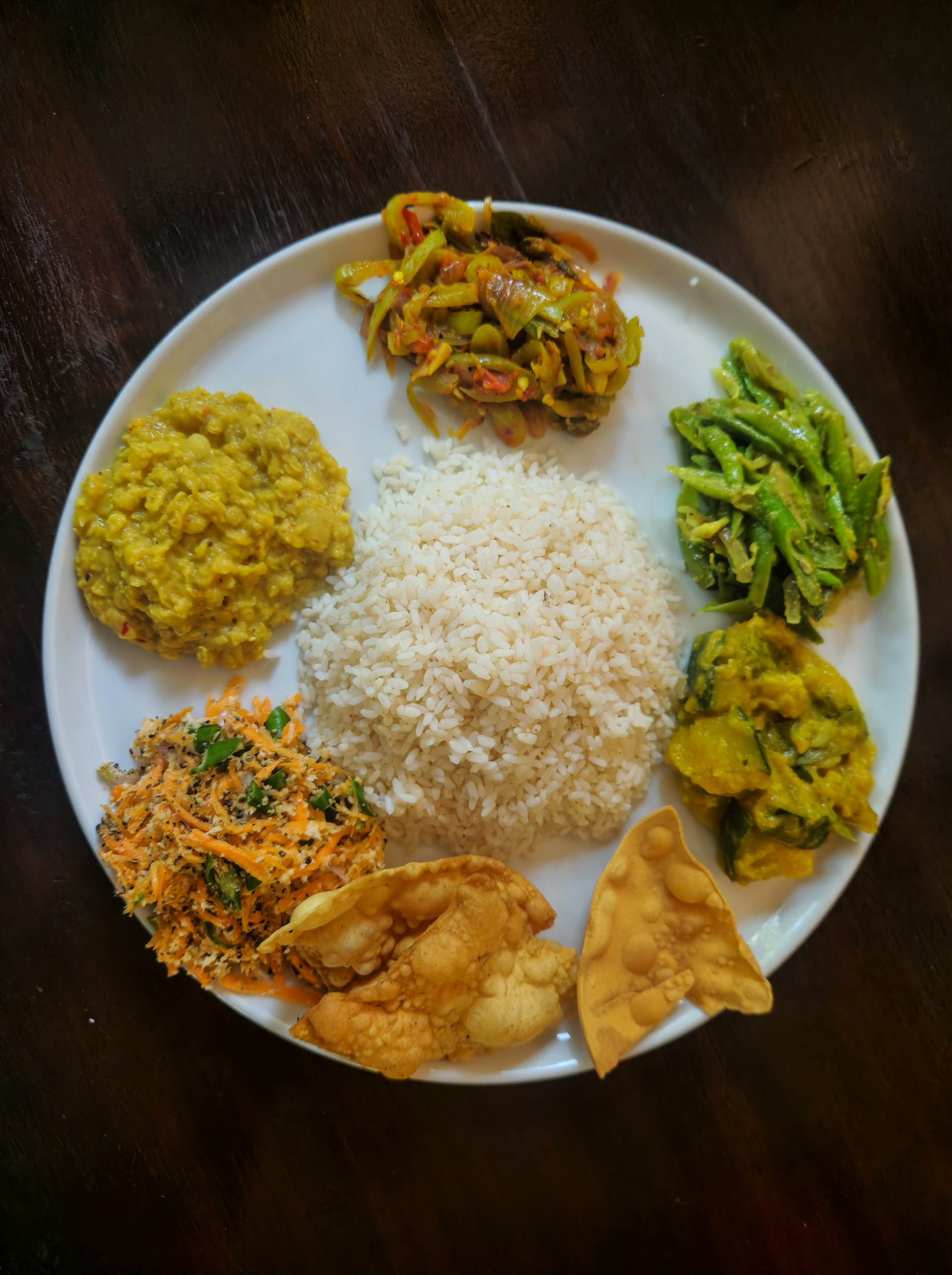
The CoDIAPREM project aims to test whether re-adopting traditional foods - while excluding energy-dense processed products - can help people lose modest amounts of weight, a factor known to play a crucial role in diabetes prevention and remission.
What the CoDIAPREM Project Will Study
Unlike hospital-based trials, CoDIAPREM is designed as a community-based programme, relying largely on local volunteers and placing minimal demands on doctors and healthcare workers. This approach is intended to ensure scalability in low-resource settings.
The study will assess:
- Whether traditional diets can prevent the onset of type-2 diabetes
- Whether people with existing diabetes can achieve long-term remission without medication
- How sustainable these dietary changes are over several years
Pilot studies conducted in Nepal have already shown promising remission rates, achieved at very low cost and with limited professional supervision.
Professor Michael Lean said, "The CoDIAPREM project is an exciting and important opportunity to understand whether a low-cost, traditional food-based intervention could work to prevent the onset of type-2 diabetes and help achieve remission for those who already have the disease."
Processed Foods, Weight Gain And Diabetes Risk
The study builds on growing global evidence linking ultra-processed foods, weight gain and insulin resistance. Research from the World Health Organization (WHO) and the International Diabetes Federation (IDF) shows that excess body fat damages vital organs such as the liver and pancreas, disrupting blood sugar control.
Professor Lean warned that the rapid spread of manufactured foods is driving diabetes rates in vulnerable populations. "The impact of manufactured foods on weight gain and diabetes rates in countries such as Nepal is worrying," he said. "This project will give us vital, real-world data to demonstrate the effectiveness of a low-cost traditional food intervention and could potentially save significant costs for global healthcare systems."
Building on Evidence From Diabetes Remission Trials
Professor Lean's work on CoDIAPREM draws on more than 15 years of diabetes remission research, including the landmark Diabetes Remission Clinical Trial (DiRECT) in the UK, funded by Diabetes UK.
DiRECT demonstrated that early, sufficient weight loss could halt the disease process in many people with type-2 diabetes, allowing them to stop medication and maintain normal blood sugar levels. The findings challenged the long-held belief that type-2 diabetes is inevitably progressive and irreversible.
CoDIAPREM aims to test whether these principles can be applied without expensive meal replacements or intensive medical supervision, making remission possible in low-income settings.
Why Low-Cost Solutions Matter Globally
Type-2 diabetes is now among the most expensive chronic diseases worldwide, driven by long-term medication use and complications such as:
- Heart disease and stroke
- Kidney failure
- Blindness
- Amputations
- Infections and premature dementia
According to the International Diabetes Federation, diabetes-related healthcare costs continue to rise sharply, placing enormous pressure on health systems, particularly in developing countries.
Dr Biraj Karmacharya of Dhulikhel Hospital, Nepal, said the project could be transformative. "This work will be a major milestone in creating a model of success on how nutritional interventions in low-income settings like Nepal can transform diabetes prevention and management."
Also Read: Type 5 Diabetes: Doctor Explains The Causes And Complications Of This Condition
What This Means For South Asia And Beyond
The CoDIAPREM project also involves researchers from the Universities of Greenwich and Oxford, and its findings are expected to have broad relevance for South Asia and other low- and middle-income regions facing similar nutrition transitions.
If successful, the study could offer policymakers a scalable, affordable alternative to medication-heavy diabetes care, centred on traditional foods, community support and sustainable weight management.
As type-2 diabetes rates climb across South Asia, the University of Glasgow-led CoDIAPREM study offers a hopeful counter-narrative: that returning to traditional diets and reducing processed food intake may help prevent and even reverse the disease. By focusing on community-led, low-cost solutions, researchers hope to create a model that can ease the global diabetes burden, especially where healthcare resources are limited.
Disclaimer: This content including advice provides generic information only. It is in no way a substitute for a qualified medical opinion. Always consult a specialist or your own doctor for more information. NDTV does not claim responsibility for this information.