

)
Inflammatory bowel disease, or IBD, affects millions of people around the world. It includes conditions like Crohn's disease and ulcerative colitis, which cause swelling and irritation in the digestive tract. Common symptoms of these include stomach pain, diarrhoea, weight loss, tiredness, and bleeding. While medicines are helpful, there are treatments that have side effects and do not work for every patient. Now, researchers believe that a natural compound found in black licorice may offer new hope. Scientists recently discovered that glycyrrhizin, a substance taken from black licorice root, may reduce inflammation and protect the intestines from damage caused due to IBD. The findings were published in the journal Stem Cell Reports.
What Is Inflammatory Bowel Disease?
Inflammatory bowel disease is not the same as ordinary stomach trouble. It happens when the immune system mistakenly attacks healthy tissue in the digestive system. This leads to ongoing inflammation that can damage the intestines over time. People with IBD often have painful flare-ups that can make daily life difficult. Eating certain foods, stress, and infections may worsen symptoms. Doctors usually treat the disease with anti-inflammatory drugs, steroids, or medicines that suppress the immune system.
Although current treatments can help some patients, they are not perfect. Many people continue to struggle with symptoms, and some medicines may cause serious side effects after long-term use.
The Role of Black Licorice
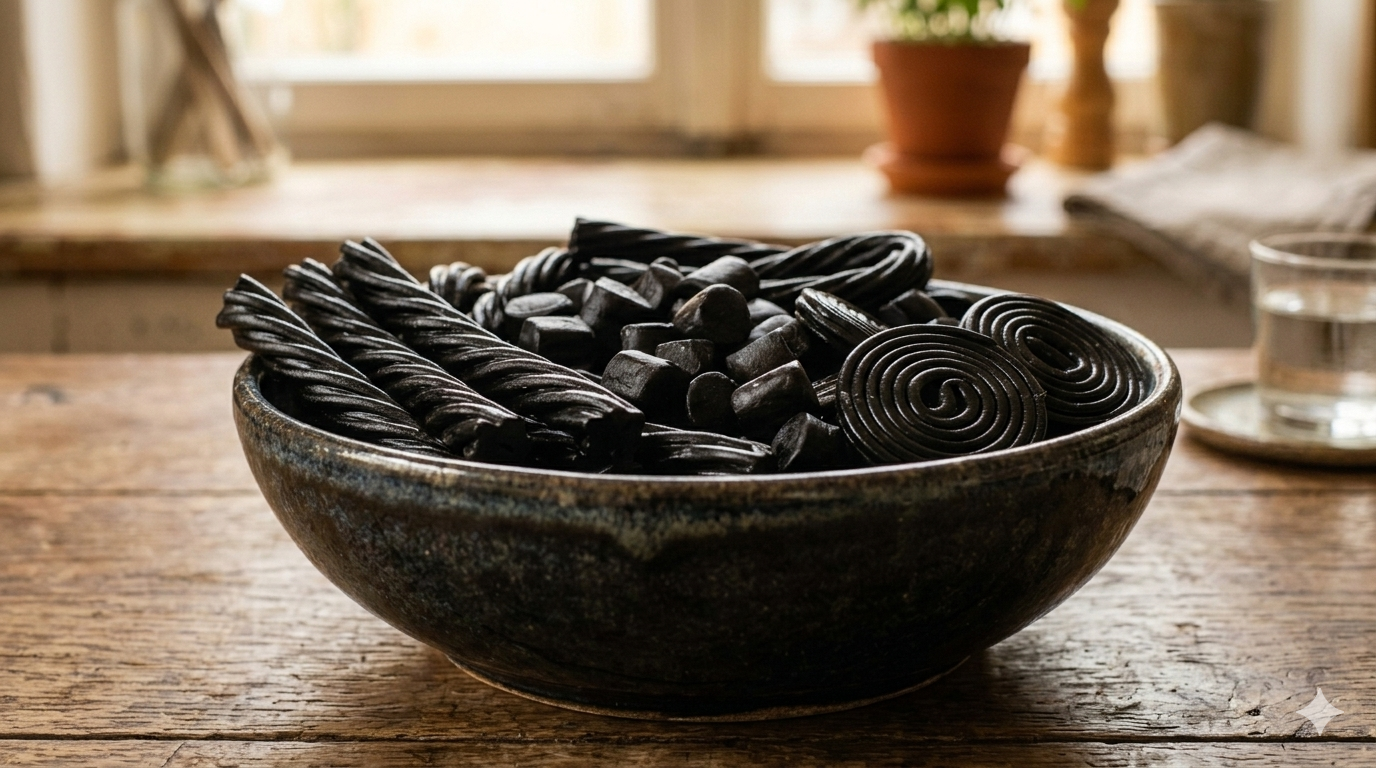
Black licorice comes from the root of the licorice plant and has been used in traditional medicine for centuries. Researchers focused on glycyrrhizin, which is a natural compound found in the plant that is known for its anti-inflammatory properties.
In the new study, scientists developed a special stem cell-based model of the human intestine. This lab-grown system closely copied the way human intestinal tissue behaves during IBD. The researchers then tested several compounds to see which ones could protect intestinal cells from inflammation-related damage.
Among all the substances tested, glycyrrhizin stood out. The compound reduced cell death and helped protect the lining of the intestine from injury caused by inflammation. Scientists also tested it in mice with inflammatory bowel disease and saw similar effects. The results suggest that glycyrrhizin may help calm harmful immune reactions in the gut while protecting healthy intestinal cells.
Why This Study Matters
One reason this research is important is because it uses an advanced way to study disease. Traditional testing methods often rely heavily on animal experiments, which do not always match what happens in the human body. By using stem cell-derived intestinal tissue, researchers were able to create a model that behaves much more like a real human intestine.
This could speed up the discovery of future IBD treatments and make testing more accurate. It also means scientists may identify promising medicines earlier. Another important point is that glycyrrhizin is a natural compound. Many patients are interested in treatments that come from natural sources, especially if they can reduce dependence on stronger drugs. However, researchers stress that natural does not always mean safe or effective for everyone.
Can People Start Using Black Licorice for IBD?
Even though the findings are promising, experts say people should not rush to self-treat their condition with black licorice candy or supplements. Large amounts of black licorice can cause side effects, including high blood pressure, heart problems, and low potassium levels.
The study focused on purified glycyrrhizin in controlled scientific conditions, and not regular candy products sold in stores. More research and human clinical trials are still needed before doctors can recommend it as a treatment for inflammatory bowel disease.
Scientists must first confirm the safest dose, possible side effects, and how well the compound works in people over time. It may take several years before a treatment based on glycyrrhizin becomes widely available.
Disclaimer: This content including advice provides generic information only. It is in no way a substitute for a qualified medical opinion. Always consult a specialist or your own doctor for more information. NDTV does not claim responsibility for this information.