

)
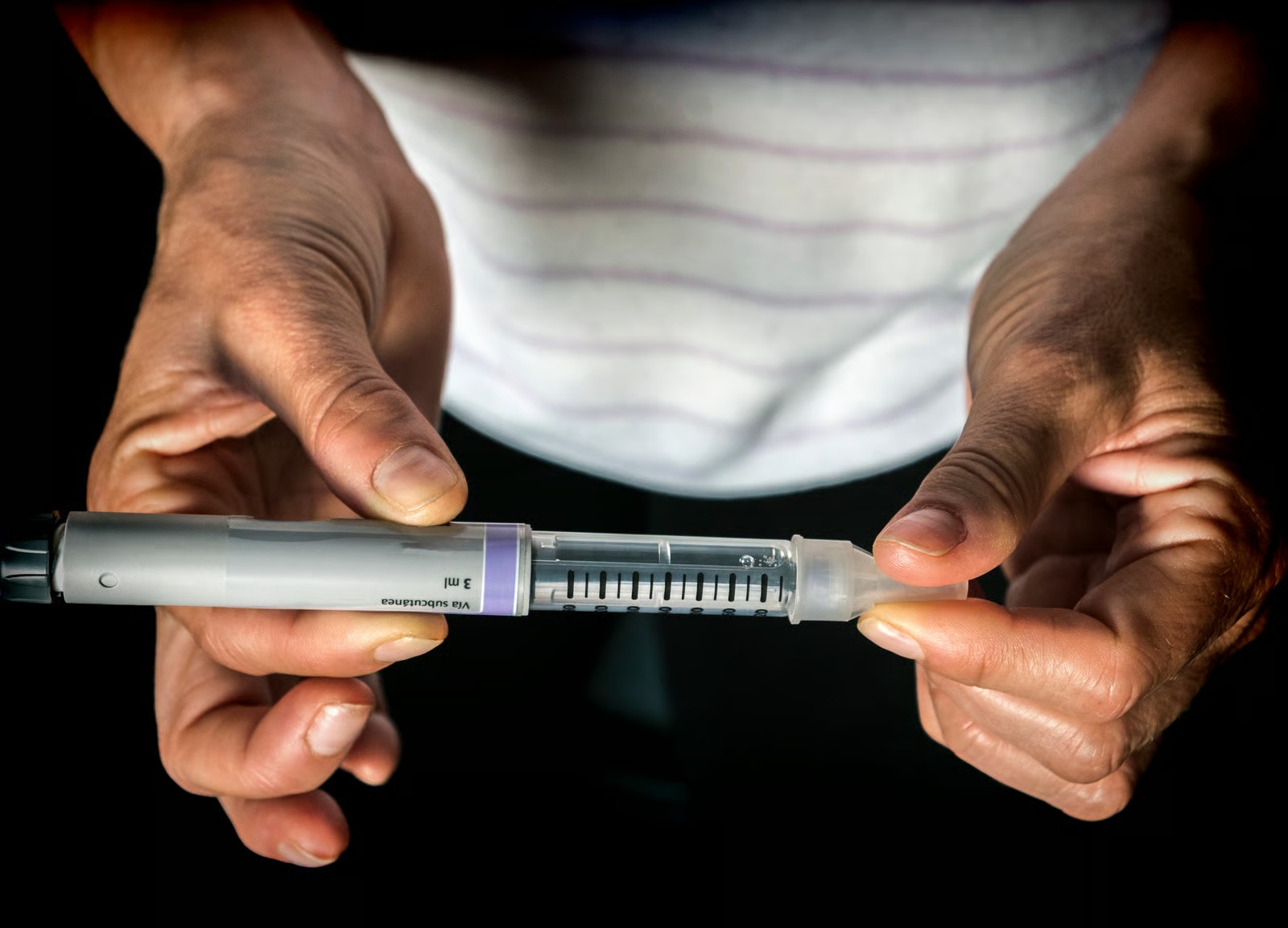
For millions of people living with diabetes, daily insulin injections remain a lifelong necessity, often uncomfortable, inconvenient, and difficult to maintain consistently. Despite decades of research, scientists have struggled to develop an oral alternative because insulin, a protein hormone, is easily broken down in the digestive system before it can reach the bloodstream. Now, a breakthrough study from researchers at Kumamoto University in Japan may bring that long-standing goal closer to reality. Published recently in the peer-reviewed journal Molecular Pharmaceutics, the research introduces a novel peptide-based system that enables insulin to be delivered effectively through a pill.
The innovation uses a specially designed cyclic peptide that can help insulin cross the intestinal barrier, a challenge that has stymied scientists for over a century. If successfully translated into clinical use, this technology could transform diabetes care by eliminating the need for daily injections, improving treatment adherence, and enhancing quality of life.
Why Insulin Has Always Been Difficult To Turn Into A Pill
Insulin is a peptide hormone that plays a central role in regulating blood sugar levels. However, delivering it orally has been one of the biggest challenges in modern medicine. The problem lies in the digestive system. When insulin is taken by mouth, it is quickly broken down by stomach acids and enzymes before it can be absorbed into the bloodstream.
Additionally, even if insulin survives digestion, it faces another barrier, the intestinal lining, which prevents large molecules like insulin from passing through easily. This is why insulin has traditionally been administered via injections, ensuring it bypasses the digestive tract and enters the bloodstream directly.
Also Read: ICMR-NIN Develops Herbal Formulation To Tackle Diabetes, Obesity
What The New Peptide Pill Breakthrough Shows
The new study offers a promising workaround to these challenges. Researchers developed a cyclic peptide, known as a DNP peptide, that can transport insulin across the intestinal wall. This peptide acts like a carrier, helping insulin molecules "slip through" the gut barrier and reach circulation, something that was previously not possible with conventional oral formulations.
The study outlines two key strategies:
- Enhancing the stability of insulin so it survives digestion
- Enabling efficient absorption through the intestinal lining
Together, these mechanisms allow insulin to be delivered orally in a biologically active form. Researchers say this platform could potentially be adapted for other peptide-based drugs, opening new possibilities in treating a range of chronic diseases.
Why This Breakthrough Matters For Diabetes Care
The implications of an insulin pill are far-reaching. Currently, many patients struggle with adherence to insulin therapy due to:
- Fear or discomfort associated with injections
- Social stigma or inconvenience
- Difficulty maintaining strict dosing schedules
Oral insulin could significantly improve compliance, leading to better blood sugar control and reduced complications such as nerve damage, kidney disease, and cardiovascular problems. Earlier research has also suggested that oral delivery could more closely mimic the body's natural insulin pathway, first passing through the liver, potentially improving metabolic outcomes. For patients with type 1 diabetes, who rely entirely on external insulin, and many with advanced type 2 diabetes, such a shift could be life-changing.
How Close Are We To Seeing Insulin Pills In Practice?
While the findings are promising, experts caution that the technology is still in the research phase.
Further steps will include:
- Testing in human clinical trials
- Evaluating long-term safety and effectiveness
- Scaling up manufacturing for real-world use
Historically, several approaches, including insulin capsules and ingestible devices, have shown promise in laboratory settings but faced challenges in clinical translation. However, advances in peptide engineering and drug delivery systems are now accelerating progress, making oral insulin a more realistic goal than ever before.
The Rise Of Peptide-Based Therapies
This breakthrough is part of a broader trend in medicine: the growing use of peptide-based drugs. Peptides, short chains of amino acids, are increasingly being used to treat conditions such as diabetes, obesity, and cancer due to their high specificity and effectiveness.
Recent innovations, including oral versions of GLP-1 receptor agonists, demonstrate that peptide drugs can be adapted for non-injectable formats. The success of these therapies is encouraging researchers to explore similar strategies for insulin and other biologic drugs.
What This Could Mean For India And Global Diabetes Burden
India is often referred to as the "diabetes capital of the world," with millions requiring long-term insulin therapy.
An oral insulin pill could:
- Improve treatment adherence in large populations
- Reduce healthcare costs associated with complications
- Increase access to therapy in rural and underserved areas
Globally, such innovation could transform diabetes management, particularly in low- and middle-income countries where access to injectable therapies and cold storage can be limited.
The development of a peptide-based insulin pill marks a significant milestone in the quest to simplify diabetes treatment. By overcoming long-standing biological barriers, researchers have opened the door to a future where daily injections may no longer be necessary. While further research is needed before this technology reaches patients, the breakthrough offers hope for millions worldwide. If successfully implemented, oral insulin could redefine diabetes care, making it more accessible, less invasive, and far easier to manage.
Disclaimer: This content including advice provides generic information only. It is in no way a substitute for a qualified medical opinion. Always consult a specialist or your own doctor for more information. NDTV does not claim responsibility for this information.