
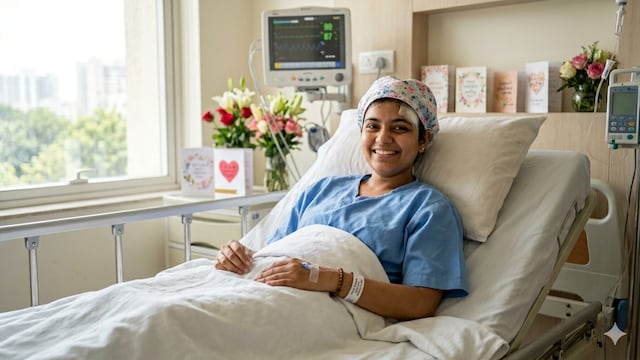
A brain tumour diagnosis can be one of the most challenging experiences a person and their family may face. The journey often involves surgery, chemotherapy, radiation therapy, and months of rehabilitation. While completing treatment is a major milestone, recovery does not end there. Many survivors continue to navigate physical, emotional, and cognitive challenges long after treatment concludes. Yet, neurologists say that brain tumour survivorship stories are also powerful examples of resilience, determination, and hope. According to Dr. Sahil Kohli, Additional Director, Neurology, Fortis Memorial Research Institute, Gurugram, a brain tumour diagnosis can be life-altering, but many survivors demonstrate remarkable resilience throughout their recovery journey. With the right medical care, rehabilitation, and support systems, patients can often regain confidence and improve their quality of life.
Recovery Extends Beyond Treatment
For many brain tumour survivors, the period after treatment brings a new set of challenges. Some may experience persistent fatigue, memory difficulties, reduced concentration, speech problems, or changes in mobility. These effects can impact daily activities, work, and social interactions. "The road after treatment is rarely straightforward," says Dr. Kohli. "Patients may face physical and cognitive hurdles, but with patience and consistent rehabilitation, many are able to adapt successfully and regain a significant degree of independence," adds Dr Kohli. Experts emphasise that recovery should not be viewed as a race. Progress often comes gradually, with small achievements marking important milestones in a survivor's journey.
Also read: Most Brain Tumours Aren't Cancerous: Neurosurgeon Busts Myths
Resilience Becomes the Foundation of Healing
One of the defining characteristics of brain tumour survivors is their ability to adapt to challenges and continue moving forward. Whether it is returning to work, participating in favourite activities, or managing daily responsibilities independently, each accomplishment contributes to rebuilding confidence.
"Survivors often discover strengths they never knew they had," Dr. Kohli explains. According to Dr Kohli, their ability to overcome setbacks and continue striving towards recovery is truly inspiring. Many patients also report that their experience has changed their perspective on life, encouraging them to focus on meaningful relationships and personal well-being.
The Importance of Hope
Hope plays a crucial role throughout the recovery process. Patients frequently describe how maintaining a positive outlook helped them cope with uncertainty during treatment and rehabilitation. "Recovery is not defined solely by medical outcomes," says Dr. Kohli. It is also about helping patients reclaim their sense of purpose, confidence, and normalcy. Even small improvements can have a profound impact on emotional well-being. Celebrating progress, no matter how small, can motivate survivors to stay engaged with their recovery goals and maintain a positive mindset.
Why Support Networks Matter
Healthcare experts stress that strong support systems are often critical to successful recovery. Family members, friends, healthcare providers, therapists, and support groups can all play valuable roles in helping survivors navigate life after treatment. "Emotional and practical support from loved ones can make a tremendous difference," notes Dr. Kohli. "Many survivors also benefit from connecting with others who have gone through similar experiences. Sharing stories can reduce feelings of isolation and foster a sense of community," adds Dr Kohli. Support groups can provide encouragement, practical advice, and reassurance during difficult phases of recovery.
Finding New Meaning After Survival
Many brain tumour survivors emerge from their experience with a renewed appreciation for life. Some become advocates for awareness and patient support, while others focus on rebuilding personal and professional goals. "Survivorship often leads to personal growth," says Dr. Kohli. "Many patients develop greater resilience, stronger relationships, and a deeper understanding of what truly matters in life," says Dr. Kohli. These experiences demonstrate that recovery is not only about overcoming illness but also about discovering new opportunities for growth and fulfillment.
Also read: Survived A Brain Tumour? Here's How Cell Therapy Could Support Recovery
Brain tumour survivorship is a testament to the strength of the human spirit. While challenges such as fatigue, memory issues, and mobility limitations may persist for some patients, many continue to lead meaningful and productive lives after treatment. "As neurologists, we see firsthand how resilient brain tumour survivors can be," Dr. Kohli concludes. Their stories remind us that recovery is not just about surviving a diagnosis but about learning to thrive beyond it. With timely medical care, rehabilitation, emotional support, and determination, many brain tumour survivors continue to inspire others by showing that life after treatment can be both meaningful and fulfilling.
Disclaimer: This content including advice provides generic information only. It is in no way a substitute for a qualified medical opinion. Always consult a specialist or your own doctor for more information. NDTV does not claim responsibility for this information.