

)
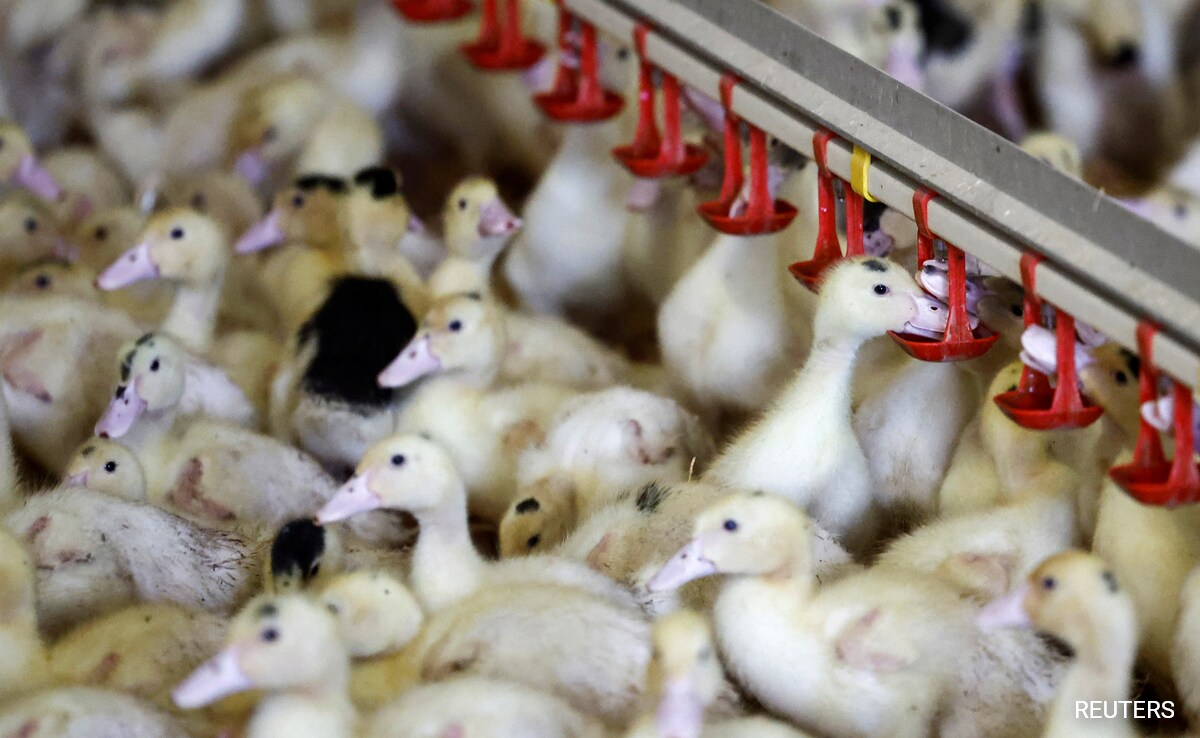
Tamil Nadu issued a statewide advisory after there were reports of large-scale crow deaths and growing fears of a possible outbreak of avian influenza. The Department of Animal Husbandry, Dairying and Fisheries has issued a comprehensive advisory detailing biosecurity and precautionary measures to prevent the spread of bird flu among poultry, wild birds and humans. According to a report in TNIE, poultry farms in Namakkal district have intensified biosecurity measures as a precautionary step. Namakkal plays a critical role in India's poultry industry. It alone accounts for nearly 1,500 poultry farms and produces millions of eggs daily, supplying markets across several Indian states and overseas.
Officials said Namakkal's poultry sector has taken preventive measures to prevent the spread of the virus. Sanitation activities have been strengthened, entry into poultry farms has been restricted, and monitoring has been tightened across the district. Valsan Parameswaran, secretary of the All India Poultry Product Exporters Association, said that extra caution is being taken.
He said, "Sanitation is being carried out regularly at poultry farms, with the entry of personnel strictly restricted and new visitors prohibited. Vehicles entering farm premises are being thoroughly disinfected, and all operations are conducted in accordance with norms prescribed by the veterinary college and department of animal husbandry."
Reports of a possible bird flu outbreak has caused panic and confusion among consumers. Debunking myths and misconceptions can help people make the right choice. Here are some common misconceptions about bird flu that you need to stop believing.
Bird Flu Myths To Stop Believing
1. Eating Chicken Causes Bird Flu
There is a widespread belief that eating chicken directly transmits bird flu. However, it is entirely false. The virus responsible for bird flu doesn't survive when you cook the chicken properly. When you cook the chicken and it reaches an internal temperature of at least 165 degree Fahrenheit (75 degree Celsius), the virus is completely destroyed. Health authorities emphasise that well-cooked poultry and eggs from regulated sources pose no risk of transmission. This myth comes from early outbreaks on farms, however, present food safety protocols, including inspections and processing standards, ensure the food supply remains safe.
Instead of avoiding chicken altogether, focus on hygiene during preparation: wash hands, surfaces, and utensils thoroughly to prevent any cross-contamination.
2. All Poultry Carries the Virus
Another common misconception is that every chicken or bird product has the bird flu virus. However, infections are confined to specific flocks that get exposed during outbreaks. Commercial poultry operations follow biosecurity measures; vaccinations, quarantines, regular testing, and isolated housing, which help to keep flocks virus-free. Backyard or wild birds have higher risks, but supermarket poultry undergoes regular checks before reaching shelves. This misconception leads to unnecessary panic-buying or waste of perfectly safe food.
3. Easy Human-to-Human Spread
People often fear bird flu spreads during a handshake or conversation, similar to seasonal flu. However, human-to-human transmission is extremely rare and requires prolonged and close contact. Most documented human cases result from direct exposure to infected birds or their contaminated environments during culling or handling, not casual interactions. Precautions like handwashing and avoiding sick birds can help in prevention.
4. It's Always Fatal
It is a common belief that contracting bird flu equals certain death, exaggerating its severity. Certain strains, such as H5N1, can cause serious illness, especially in vulnerable groups like the elderly or immunocompromised. However, a lot of cases are mild or moderate, with full recovery possible. Symptoms might start like a bad flu (fever, cough, muscle aches) but it can escalate. Getting early medical attention can help in recovery. Survival rates have improved with better surveillance and treatments.
5. Vegetarians Are Safe
Some vegetarians mistakenly believe their diet fully protects them from bird flu. Protection isn't based on your diet since the virus can spread through contact with infected animals, faeces, or contaminated surfaces, and not solely through meat consumption. For example, handling raw poultry or eggs without precautions, or even touching affected environments, increases the risk regardless of what you eat. While plant-based diets reduce chances of exposure, overall hygiene is important.
6. Cooking Doesn't Kill the Virus
Finally, a lot of people think that cooking fails to kill the virus in poultry or eggs. Thorough cooking can denature the virus entirely, making it harmless. When the internal temperature is above 165 degree Fahrenheit, it is safe for consumption. The same applies to eggs; fully cooked yolks and whites are safe. Pasteurised products further reduce the risks.
(With inputs from IANS)
Disclaimer: This content including advice provides generic information only. It is in no way a substitute for a qualified medical opinion. Always consult a specialist or your own doctor for more information. NDTV does not claim responsibility for this information.